The Cost of Truth: A Reflection on John 11:53
“Then from that day forth they took counsel together for to put him to death.” — John 11:53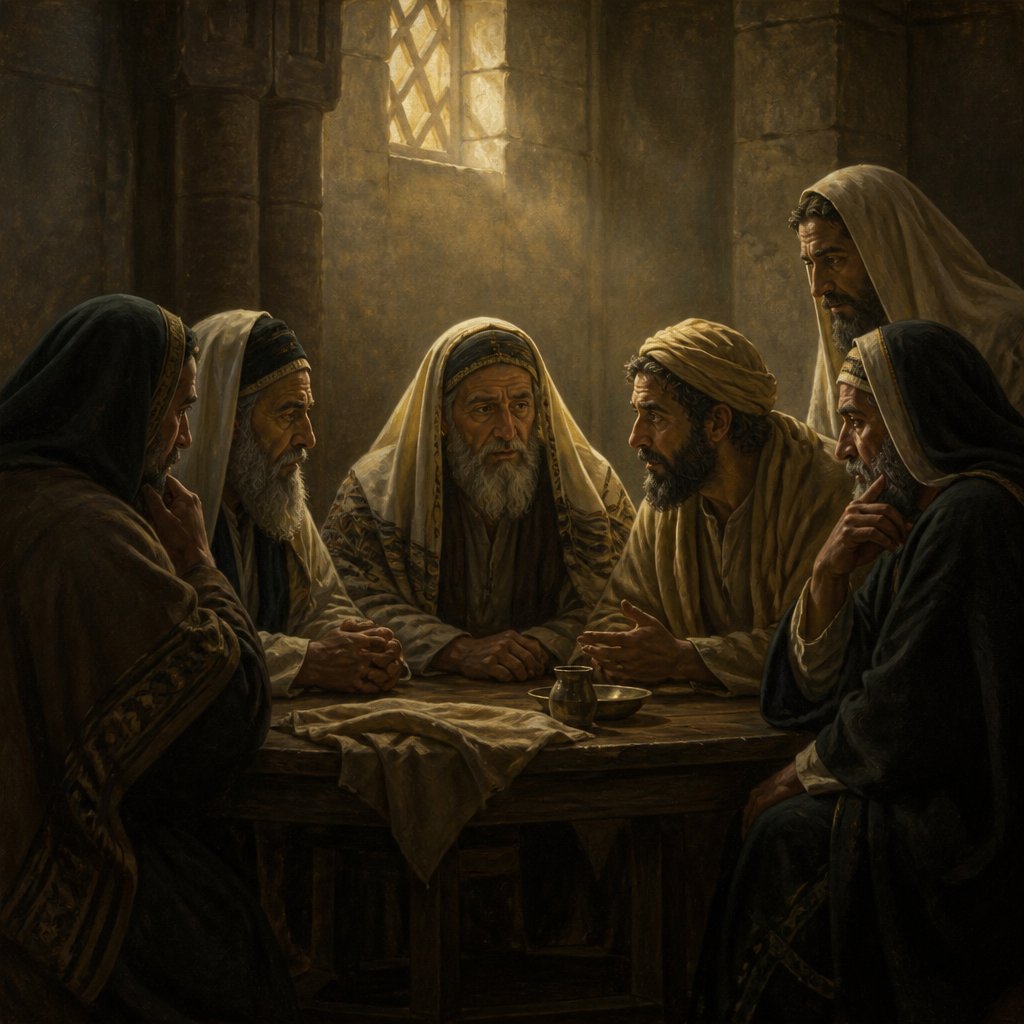
In the gospel of John, chapter 11, we encounter one of the most profound and pivotal moments in the life of Jesus Christ. After the resurrection of Lazarus, the religious authorities were threatened by the miraculous signs that Jesus performed, which stirred a significant response from them. The verse John 11:53 states, "Then from that day forth they took counsel together for to put him to death" (KJV). This verse marks a critical juncture in the narrative of Jesus’ ministry—a turning point where the opposition to Him crystallized into a deliberate conspiracy against His life.
To understand the weight of this moment, we must dive into the context and implications of this decision made by the council of the Pharisees and chief priests. The raising of Lazarus wasn't merely an act of compassion; it was a sign that demonstrated Jesus’ authority over life and death, affirming His divine identity as the Son of God. This miracle served as irrefutable evidence of His power, and it left the religious leaders in a state of fear. Their fear stemmed from the possibility that if Jesus continued gaining popularity and performing miracles, the entire nation could be swayed to follow Him, which in their minds, posed a threat to their social, political, and religious order. Their response? Plotting His death.
This passage beckons us to consider the lengths to which some will go to protect their power and maintain the status quo. The council saw the truth in front of them but instead of recognizing and submitting to it, they chose to crush it. This is a poignant reminder that the truth often incurs a cost. Jesus, the embodiment of truth, would ultimately pay the ultimate price—not just for the Jews, but for all humanity.
As we reflect on this verse, we are confronted with several questions:
1. **What do I do when confronted with uncomfortable truths?**
2. **Am I willing to forsake my comforts or preferences in order to embrace what is true?**
3. **How do I respond to opposition when I stand for what is right?**
The reaction of the council illustrates a natural response to fear: to eliminate what threatens our sense of control. It's easier to dismiss, malign, or eliminate what challenges our beliefs rather than to engage in a humble pursuit of truth. Jesus, however, embodied a different approach. He did not recoil from the challenge; instead, He embraced it, knowing that His mission was to bring light into darkness, even at the cost of His own life. In His willingness to confront this reality, He exemplified a model of bravery, integrity, and love.
As believers today, we are often called to bear witness to the truth of Christ. This may lead us to uncomfortable circumstances and even opposition. Jesus warned us of this in John 15:18-19 where He said, "If the world hate you, ye know that it hated me before it hated you" (KJV). We are surrounded by a culture that may reject the truth because it disrupts the status quo. When standing for Christ, we must remember that for every conflict, God is with us, empowering us to speak truth with grace.
In the face of rejection, betrayal, and the plotting of others—whether it be at work, school, or within our families—let us not lose hope. Jesus knew rejection firsthand. As we engage with a world that may seek to silence the truth, let us hold fast to our faith. Let us remember that the very truth that faced death on that day ultimately triumphed in the resurrection.
In conclusion, John 11:53 serves as a stark contrast between the transient nature of earthly power and the eternal nature of divine truth. May we choose to be advocates of truth, guided by the example of Christ, prepared to face challenges with courage, knowing that our hope and redemption are firmly rooted in Him. Let us pray for the strength to stand firm, the wisdom to navigate difficult conversations, and the heart to love even those who oppose us.
Get our apps


Artwork for John 11:53

John 11:53 - "Then from that day forth they took counsel together for to put him to death."

"Then from that day forth they took counsel together for to put him to death." - John 11:53

John 7:53 - "And every man went unto his own house."
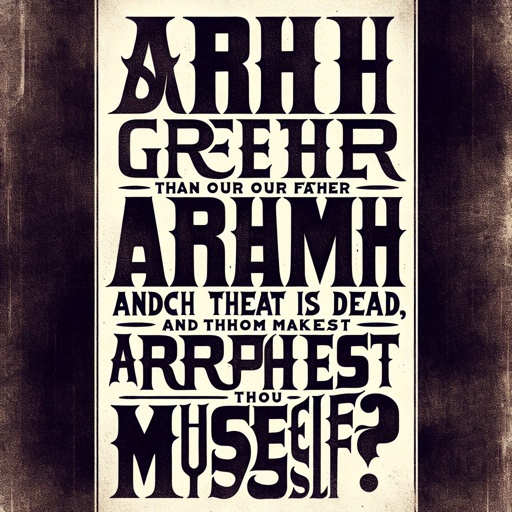
John 8:53 - "Art thou greater than our father Abraham, which is dead? and the prophets are dead: whom makest thou thyself?"

"And every man went unto his own house." - John 7:53

John 4:53 - "So the father knew that it was at the same hour, in the which Jesus said unto him, Thy son liveth: and himself believed, and his whole house."

Luke 11:53 - "And as he said these things unto them, the scribes and the Pharisees began to urge him vehemently, and to provoke him to speak of many things:"

Isaiah 53:11 - "He shall see of the travail of his soul, and shall be satisfied: by his knowledge shall my righteous servant justify many; for he shall bear their iniquities."
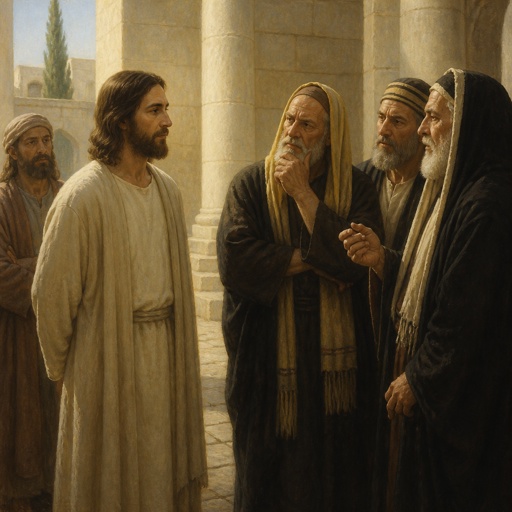
"Art thou greater than our father Abraham, which is dead? and the prophets are dead: whom makest thou thyself?" - John 8:53

John (11:35) Jesus wept.
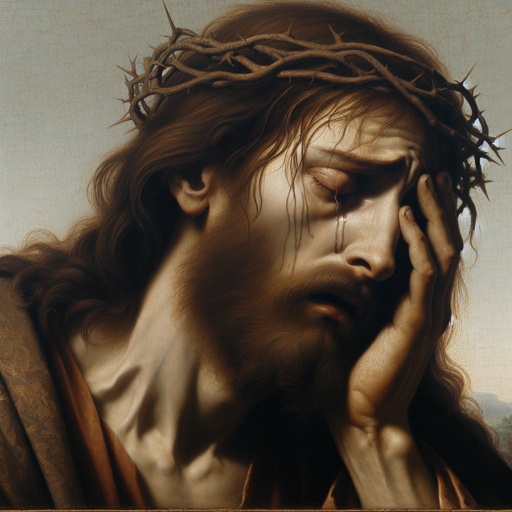
John (11:35) Jesus wept.

John (11:35) Jesus wept.

John 11:35

John 15.1-11

John 11:35

John (11:35) Jesus wept.

John (11:35) Jesus wept.

John (11:35) Jesus wept.

John (11:35) Jesus wept.

John (11:35) Jesus wept.

John (11:35) Jesus wept.
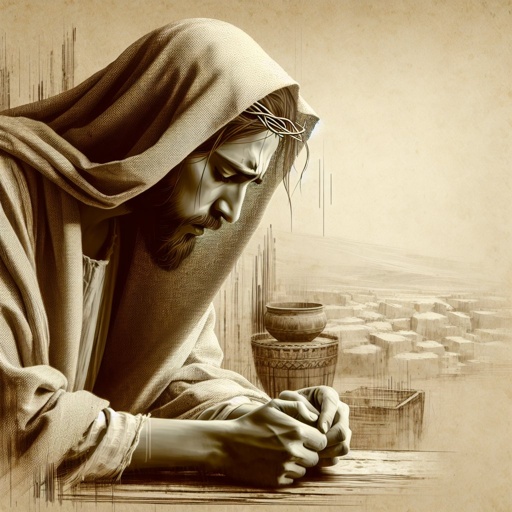
John 11:35 - "Jesus wept."

John (11:35) Jesus wept.

John (11:35) Jesus wept.

John (11:35) Jesus wept.

John (11:35) Jesus wept.
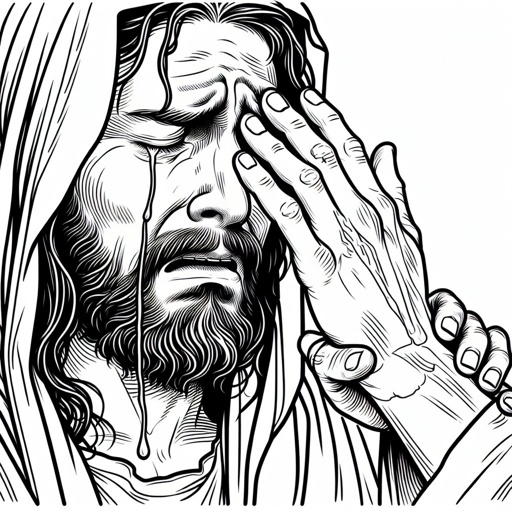
John (11:35) Jesus wept.

"So the father knew that it was at the same hour, in the which Jesus said unto him, Thy son liveth: and himself believed, and his whole house." - John 4:53

John 20:11-12

JOHN 6:11-13