What does John 11:53 mean?
“Then from that day forth they took counsel together for to put him to death.” — John 11:53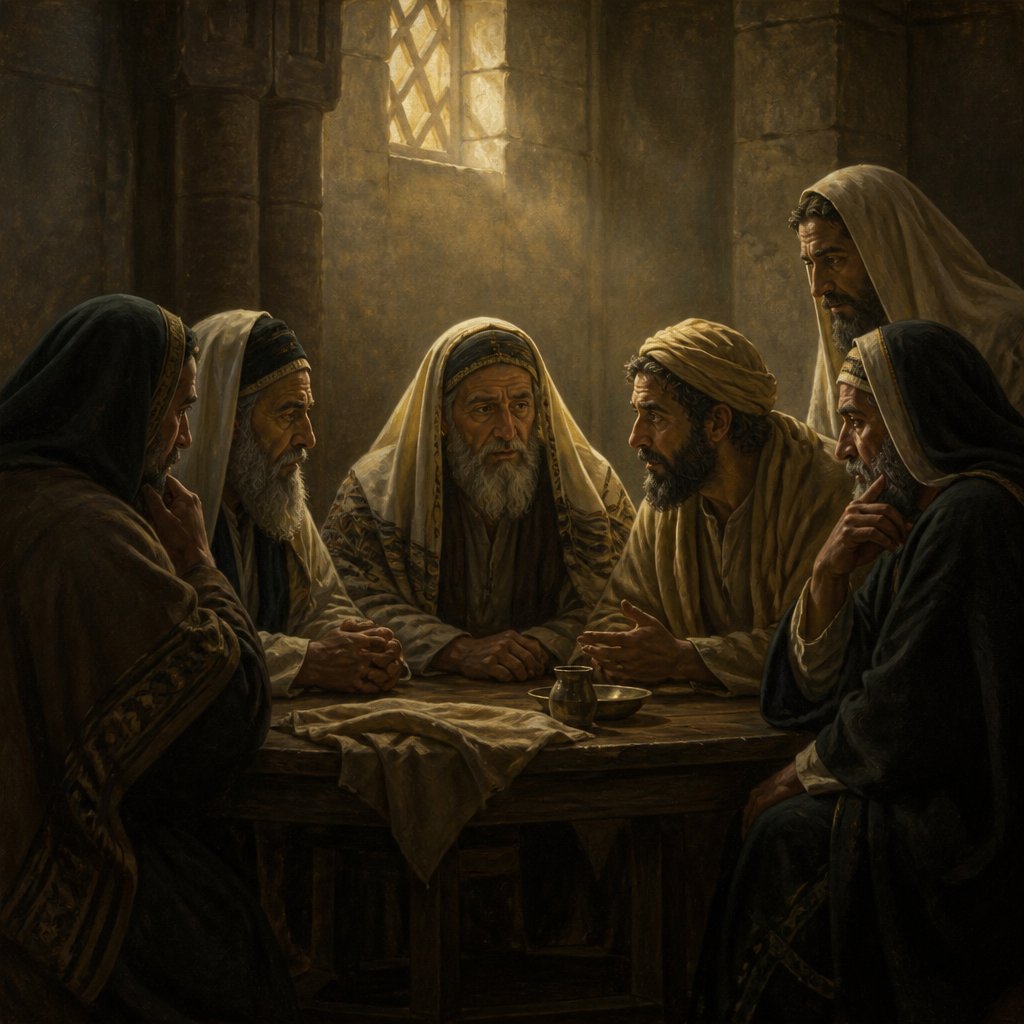
John 11:53 in the King James Version reads, "Then from that day forth they took counsel together for to put him to death." This verse is a pivotal moment in the Gospel of John as it marks the turning point in the narrative leading up to the crucifixion of Jesus. To truly understand the depth and significance of this verse, we must delve into its context, themes, and symbolism.
The context of John 11:53 is essential for understanding its meaning. In the preceding verses, Jesus performs one of his most famous miracles, the raising of Lazarus from the dead. This astonishing display of his power further confirms his divine authority and triggers a strong reaction from the religious leaders of the time. Seeing Jesus as a threat to their own authority and fearing the political repercussions of his growing popularity among the people, the chief priests and Pharisees convene to deliberate on a course of action. It is in this moment that they resolve to put Jesus to death, setting in motion the events that will lead to the crucifixion.
One of the central themes of John 11:53 is the inevitability of Jesus' sacrificial death. Throughout the Gospels, Jesus repeatedly foreshadows his impending crucifixion, emphasizing that it is necessary for the fulfillment of God's plan for humanity's salvation. In John 10:18, Jesus declares, "No one takes it from me, but I lay it down of my own accord. I have authority to lay it down and authority to take it up again. This command I received from my Father." This statement underscores the predetermined nature of Jesus' crucifixion and aligns with the theme of divine sovereignty that runs throughout the Gospel of John.
Moreover, the decision to put Jesus to death reflects the spiritual blindness and hardness of heart that plagued the religious leaders of the time. Despite witnessing Jesus' miraculous works and hearing his teachings, they remain obstinate in their rejection of him. The Gospel of John repeatedly portrays this as a tragic consequence of their pride, envy, and zeal for self-preservation. This theme is particularly evident in John 12:42-43, which describes how many among the Jewish leaders believed in Jesus but were afraid to confess him openly for fear of being cast out of the synagogue.
Symbolically, John 11:53 represents the culmination of Jesus' earthly ministry and the fulfillment of his redemptive mission. In the broader biblical narrative, his sacrificial death serves as the ultimate atonement for humanity's sin and secures the possibility of reconciliation with God. This significance is encapsulated in John 3:16-17, which declares, "For God so loved the world, that he gave his only Son, that whoever believes in him should not perish but have eternal life. For God did not send his Son into the world to condemn the world, but in order that the world might be saved through him."
Ultimately, John 11:53 serves as a sobering reminder of the cost of discipleship and the opposition that often accompanies faithfulness to God. It challenges us to consider the implications of following Jesus in a world that is often hostile to his message. It also invites us to reflect on the extent of Jesus' love and sacrifice on our behalf and to respond with gratitude and devotion.
In conclusion, John 11:53 is a profound and significant verse within the larger narrative of Jesus' life and ministry. Its themes of divine sovereignty, human pride and blindness, and sacrificial atonement echo throughout the Gospel of John and the broader biblical canon. Its symbolic implications carry profound theological and spiritual weight, compelling us to reckon with the implications of Jesus' crucifixion for our own lives and to respond with faithful allegiance to the one who gave himself for us.
Get our apps


Artwork for John 11:53

John 11:53 - "Then from that day forth they took counsel together for to put him to death."

"Then from that day forth they took counsel together for to put him to death." - John 11:53

John 7:53 - "And every man went unto his own house."
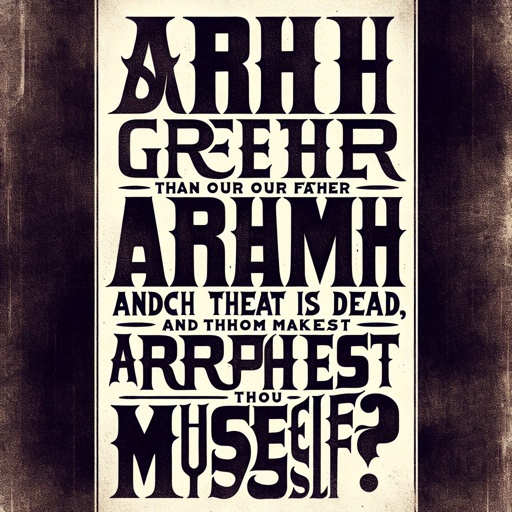
John 8:53 - "Art thou greater than our father Abraham, which is dead? and the prophets are dead: whom makest thou thyself?"

"And every man went unto his own house." - John 7:53

John 4:53 - "So the father knew that it was at the same hour, in the which Jesus said unto him, Thy son liveth: and himself believed, and his whole house."

Luke 11:53 - "And as he said these things unto them, the scribes and the Pharisees began to urge him vehemently, and to provoke him to speak of many things:"

Isaiah 53:11 - "He shall see of the travail of his soul, and shall be satisfied: by his knowledge shall my righteous servant justify many; for he shall bear their iniquities."
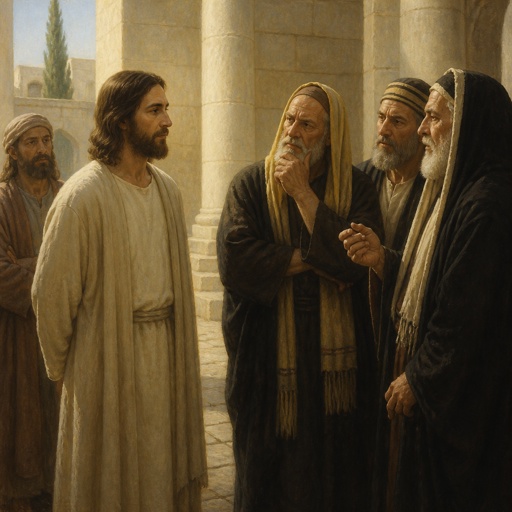
"Art thou greater than our father Abraham, which is dead? and the prophets are dead: whom makest thou thyself?" - John 8:53

John (11:35) Jesus wept.
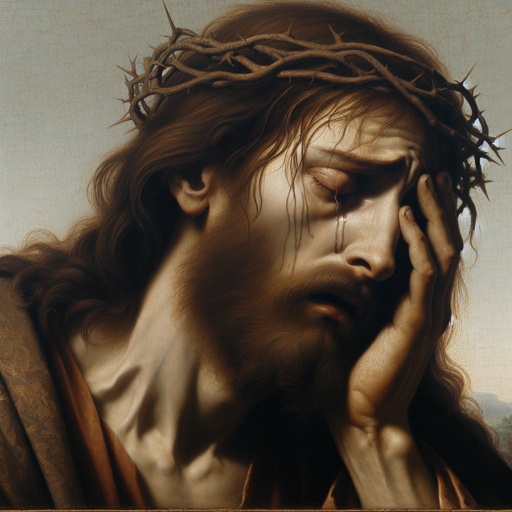
John (11:35) Jesus wept.

John (11:35) Jesus wept.

John 11:35

John 15.1-11

John 11:35

John (11:35) Jesus wept.

John (11:35) Jesus wept.

John (11:35) Jesus wept.

John (11:35) Jesus wept.

John (11:35) Jesus wept.

John (11:35) Jesus wept.
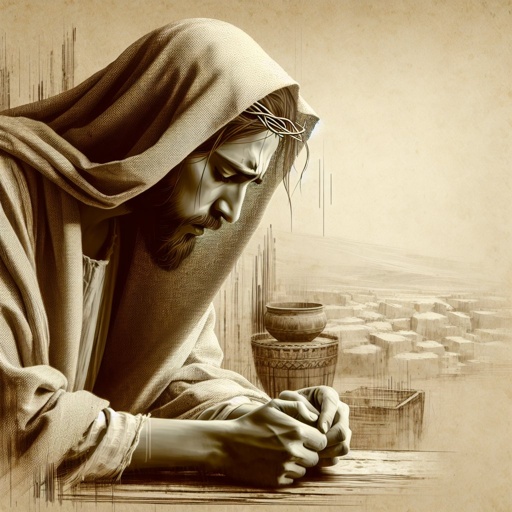
John 11:35 - "Jesus wept."

John (11:35) Jesus wept.

John (11:35) Jesus wept.

John (11:35) Jesus wept.

John (11:35) Jesus wept.
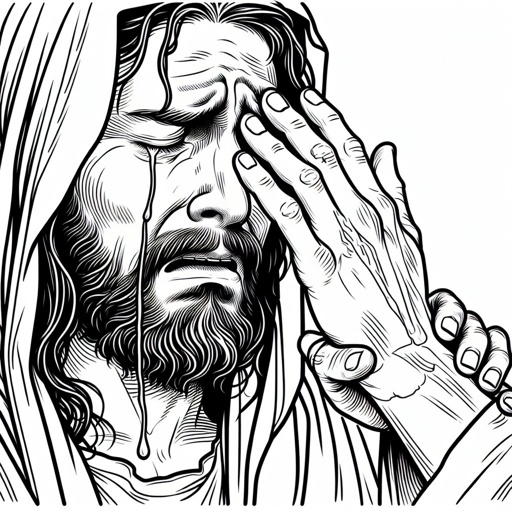
John (11:35) Jesus wept.
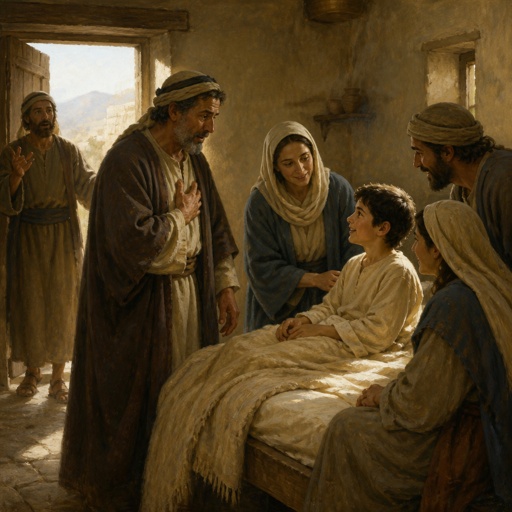
"So the father knew that it was at the same hour, in the which Jesus said unto him, Thy son liveth: and himself believed, and his whole house." - John 4:53

John 20:11-12

JOHN 6:11-13