The Price of Resurrection: A Call to Faithfulness
“But the chief priests consulted that they might put Lazarus also to death;” — John 12:10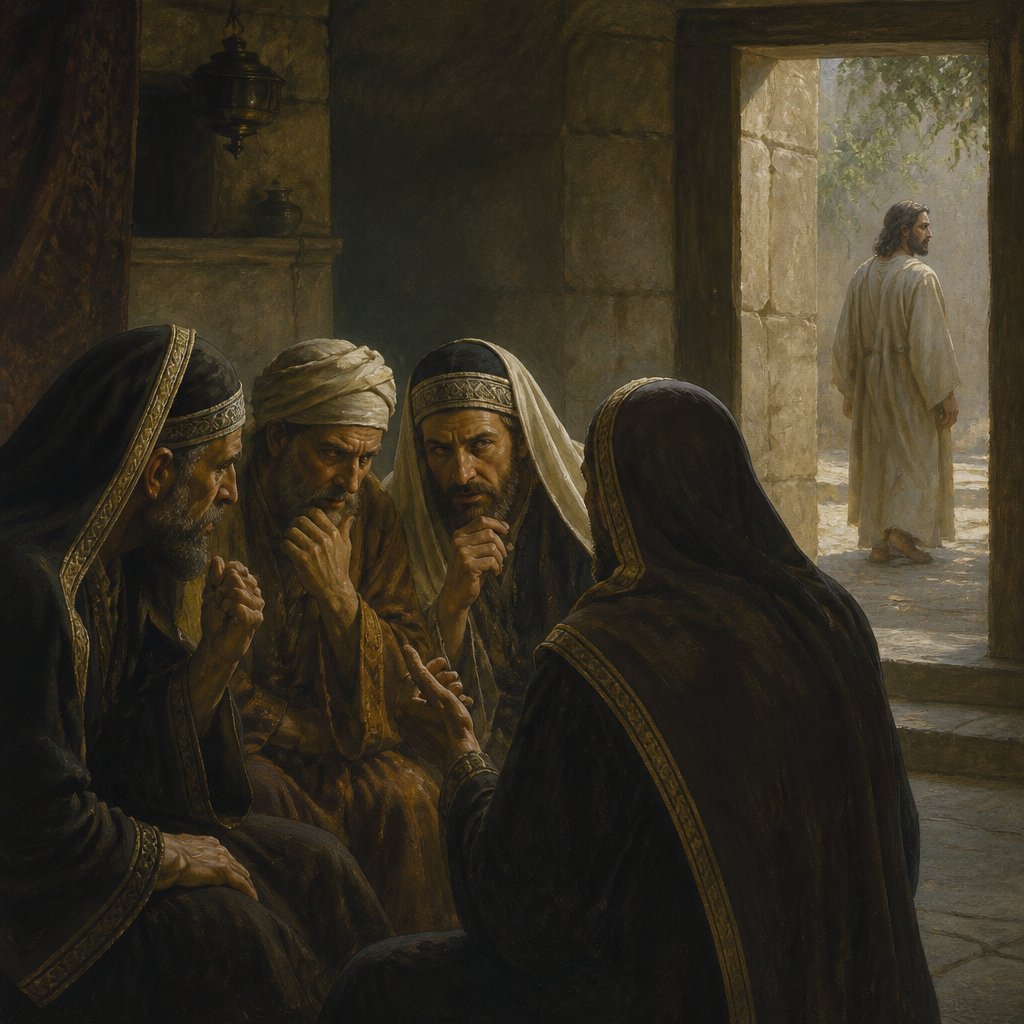
John 12:10 records a chilling event, stating, "But the chief priests consulted that they might put Lazarus also to death;" This verse resonates deeply, not only because of its context but also because of what it reveals about the human condition and the cost of faith. In the moments just prior to this consultation, Lazarus had experienced an extraordinary miracle—he had been raised from the dead by Jesus. This act was not merely a return to life; it was a profound declaration of Jesus' power over death, a foretaste of the resurrection that would be available to all who believe in Him.
However, the response of the chief priests to Lazarus's restoration is disheartening. Instead of celebrating this miraculous event and acknowledging its implications, they plotted to kill Lazarus and silence the testimony of his resurrection. This reaction reflects a heart hardened by pride and envy. The leaders were threatened by the rising influence of Jesus and the faith people were placing in Him after witnessing such a miracle. Lazarus had become a living testimony to the power of Christ, and in their desperation to maintain control, the religious leaders decided to eliminate both the evidence of Jesus' authority and, implicitly, Jesus himself.
This moment brings to light several truths relevant to our lives today. First, we must recognize the reality of opposition that can arise even against the backdrop of God’s miracles. When God moves powerfully in our lives, whether through a personal resurrection of hope, a healing, or restoration, we might encounter opposition that seeks to undermine our testimony. This can come in different forms—criticism, doubt from others, or even an internal struggle within ourselves. It serves as a reminder that the work of God often stirs up conflict, and we must remain steadfast in sharing the good news.
Second, we see the cost of discipleship exemplified in Lazarus’s situation. Lazarus had experienced a resurrection that many desired to witness, a turning point that should have brought them closer to Christ. Yet, rather than embrace the life that had been given to him, Lazarus became a target. To stand as a testimony of Christ’s power often requires sacrifice. Lazarus might have simply desired to live quietly, basking in the miracle of existence. Instead, he became a symbol—evidence that provoked hostility from those refusing to believe. The call to faithfulness can mean understanding that our spiritual journey may attract hostility.
Moreover, we see the lengths to which religious leaders would go to protect their power. Jesus's ministry challenged their authority, inviting believers into a radical, transformative relationship with Him, which they deemed a threat. It prompts us to reflect on what lengths we go to keep our comfortable existence. In what ways might we resist the transformative work of Christ in our lives because it demands too much from us?
Finally, the plot to kill Lazarus reminds us to avoid the danger of spiritual blindness, which can lead us to dismiss or intentionally ignore truth. The chief priests knew Lazarus had been raised from the dead, yet their response was not one of faith but one of fear and hostility. We, too, can be witnesses to the miraculous work of God and yet refuse to recognize its significance in our lives. Are there areas where we have seen God's power yet hesitate to fully trust Him or give glory?
In conclusion, John 12:10 invites us to courageously embrace the truth of Christ’s resurrection power—even if it comes with costs and challenges. It calls us to remain faithful witnesses of His goodness, regardless of opposition. Lazarus’s story reminds us that every miracle can serve as a testimony that illuminates the path for others. Let us boldly declare our testimonies of transformation and hold fast to the call of Christ, becoming a beacon of hope in a world that may resist but is desperately in need of resurrection.
Get our apps


Artwork for John 12:10

John 12:10 - "¶ But the chief priests consulted that they might put Lazarus also to death;"
"¶ But the chief priests consulted that they might put Lazarus also to death;" - John 12:10

John 10:12 - "But he that is an hireling, and not the shepherd, whose own the sheep are not, seeth the wolf coming, and leaveth the sheep, and fleeth: and the wolf catcheth them, and scattereth the sheep."

John 10:10

John 10:10

John 10:10

John 10:10

John 10:10

John 10:10

John 10:10
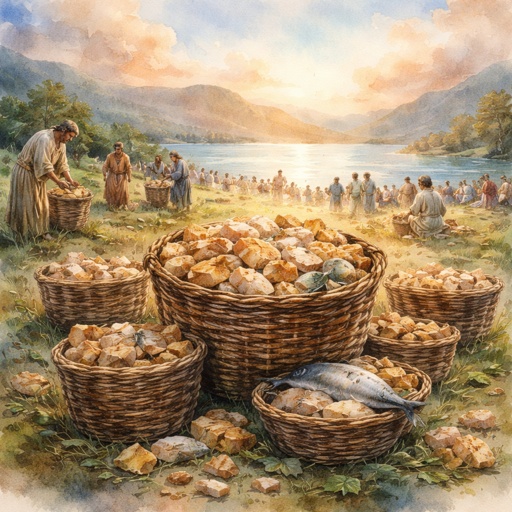
John 6:12

John 8:12

John 10:41 - "And many resorted unto him, and said, John did no miracle: but all things that John spake of this man were true."

John 12:25

John 8:12

John 8:12

John 8:12

John 12:3

John 8:12

John 10:30
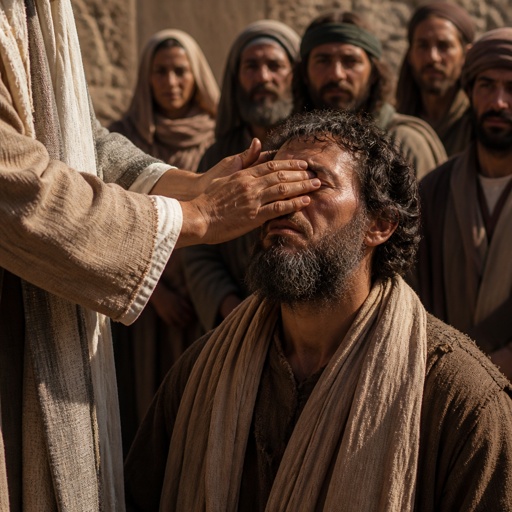
John 9:10

John 10:30

John 10:9

John 10:9

John 10:9

John 20:11-12

John 10:40 - "And went away again beyond Jordan into the place where John at first baptized; and there he abode."

John 12:12 - "¶ On the next day much people that were come to the feast, when they heard that Jesus was coming to Jerusalem,"

Ezra 10:10-12

John 10:42 - "And many believed on him there."