Palm Branches and Prophetic Praise: Welcoming Our King
“Took branches of palm trees, and went forth to meet him, and cried, Hosanna: Blessed is the King of Israel that cometh in the name of the Lord.” — John 12:13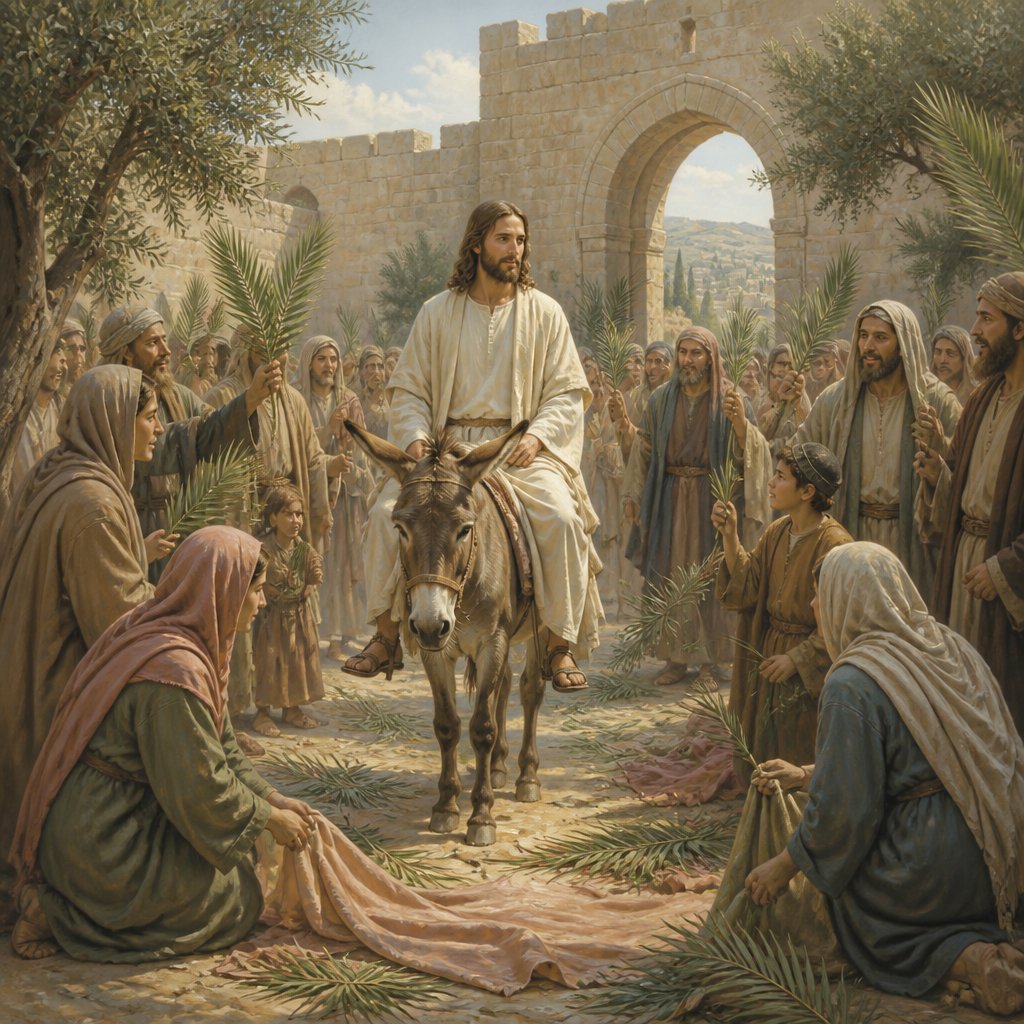
As we delve into the profound verse from John 12:13, where it is written, "Took branches of palm trees, and went forth to meet him, and cried, Hosanna: Blessed is the King of Israel that cometh in the name of the Lord," we encounter a scene that is rich in symbolism and significance. This triumphant entry of Jesus into Jerusalem marks not only the beginning of His final earthly days but also a powerful moment of recognition and proclamation by the people of Israel.
The palm branches that the crowd lifted are not merely greenery; they are laden with meaning and connection to Jewish tradition. In Hebrew culture, palm branches are a symbol of victory and peace, often used during the Feast of Tabernacles as a reminder of God’s provision and faithfulness during the Israelites' wilderness journey. The act of taking the palms and waving them in front of Jesus was a declaration of the people’s hope for liberation and their expectation of a Messiah who would bring salvation.
In the words "Hosanna! Blessed is the King of Israel that cometh in the name of the Lord," we hear the shouts of a people desperate for redemption. The word "Hosanna" comes from a Hebrew expression meaning "save us," a cry for help and an acknowledgment of Jesus’ authority. This moment points to the messianic prophecy foretold in Zechariah 9:9, where it is written, "Rejoice greatly, O daughter of Zion; shout, O daughter of Jerusalem: behold, thy King cometh unto thee: he is just, and having salvation; lowly, and riding upon an ass, and upon a colt the foal of an ass." The people, in a moment of joyous anticipation, recognize Jesus as the long-awaited King who comes to deliver them.
However, the crowd's jubilant reception also carries an undertone of irony and foreshadowing. As they proclaim Jesus as King, many do so with their own expectations in mind, seeking a political and military leader to free them from Roman oppression. Yet, the nature of Jesus’ kingship is one that transcends worldly powers and immediate circumstances. He is a King who comes not to conquer with swords, but to redeem with His love and sacrifice.
As we reflect on this scripture today, we must consider our own response to Christ’s kingship in our lives. Do we wave our palm branches in exuberance, only to find ourselves uncertain and silent when the path ahead is not what we expected? The crowd that welcomed Jesus with loud praises would soon be the same group that cried for His crucifixion just days later. This serves as a reminder that our enthusiasm can sometimes be fleeting and conditional.
In this passage, we are invited to ask ourselves: How do we welcome Jesus into our lives? Are we offering Him the praise He deserves regardless of our circumstances? Do we recognize Him not just as a King who can deliver us from external trials, but as the sovereign Lord who desires to transform our hearts and lives from within?
Moreover, as believers, we are called to emulate the crowd's action of acknowledging Christ with loud praise and unwavering belief. The same palms they waved in recognition of Jesus are akin to our own expressions of worship, adoration, and surrender. Each shout of "Hosanna" should resonate in our hearts—a call for help that acknowledges our dependence on Him as our Savior and King.
Let us take the bold step of proclaiming Jesus in every area of our lives. May we lift our 'palm branches' high in recognition of His authority, grace, and mercy that continues to flow toward us even today. In our daily routines, in our struggles, and in our communities, let us boldly declare, "Blessed is the King of Israel who comes in the name of the Lord!" The King of Kings is here, and the invitation to welcome Him is forever open.
Get our apps


Artwork for John 12:13
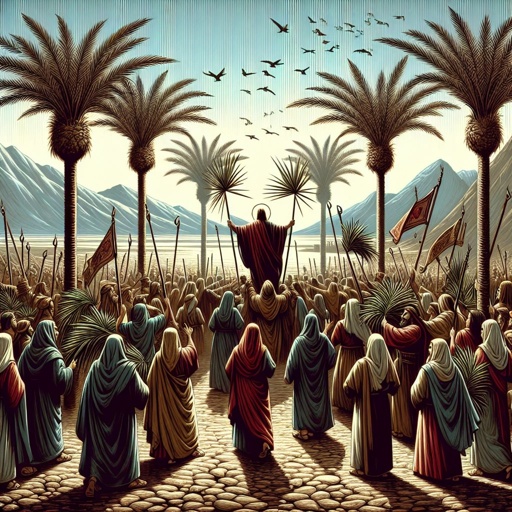
John 12:13 - "Took branches of palm trees, and went forth to meet him, and cried, Hosanna: Blessed is the King of Israel that cometh in the name of the Lord."
"Took branches of palm trees, and went forth to meet him, and cried, Hosanna: Blessed is the King of Israel that cometh in the name of the Lord." - John 12:13

A biblical scene depicting the moment Jesus, depicted as a Middle Eastern man with a serene countenance riding a donkey, enters Jerusalem on Palm Sunday, as described in the scriptures. The city of Jerusalem is filled with a diverse crowd of men, women, and children of various ages and attire appropriate to the period. They appear joyous and awed, waving large palm branches in a gesture of welcome, and the floor is covered in Palm fronds. The verse of inspiration is John 12:13 ."They took branches of palm trees and went forth to meet him, and cried, Hosanna! Blessed is he who comes in the name of the Lord!"

John 15:12-13 - "My command is this: Love each other as I have loved you. Greater love has no one than this: to lay down one’s life for one’s friends."
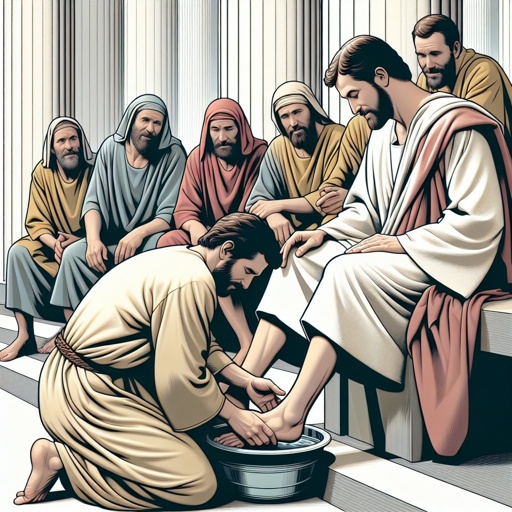
John 13:12 - "So after he had washed their feet, and had taken his garments, and was set down again, he said unto them, Know ye what I have done to you?"

John 13
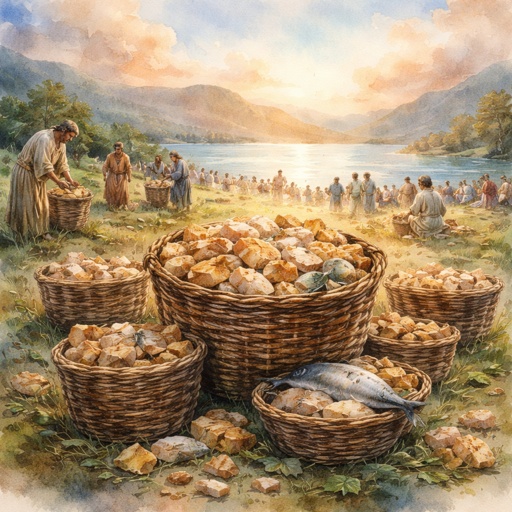
John 6:12

John 8:12

John 12:25
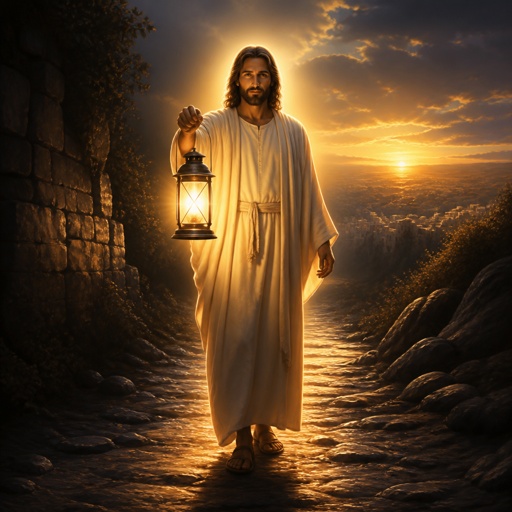
John 8:12

John 8:12

John 8:12
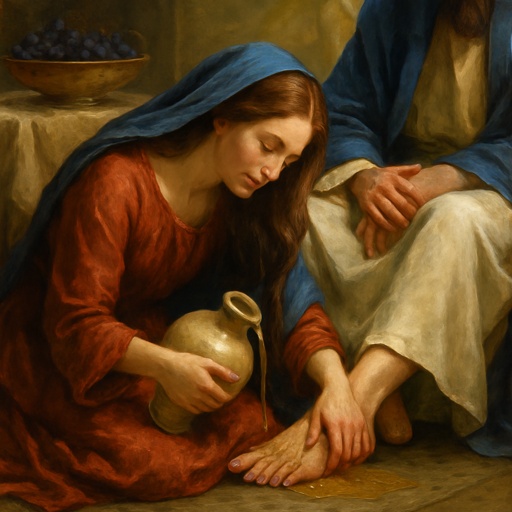
John 12:3

John 8:12

John 13:13 - "Ye call me Master and Lord: and ye say well; for so I am."
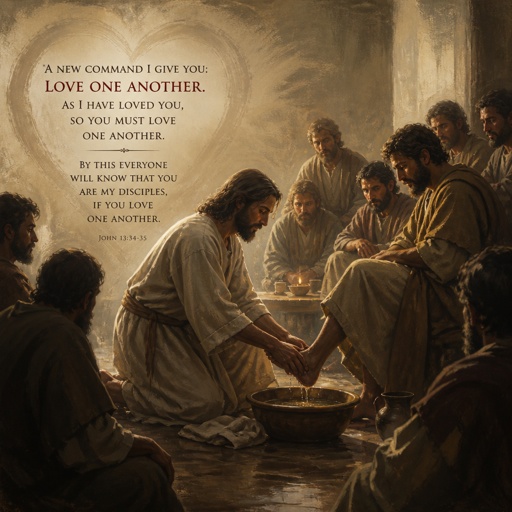
John 13: 34-35

John 13:4-9

JOHN 6:11-13

John 20:11-13

John 20:11-12

1 John 4:13

John 13:31-35

1 Corinthians 12:12-13

John 12:12 - "¶ On the next day much people that were come to the feast, when they heard that Jesus was coming to Jerusalem,"

John 9:13 - "¶ They brought to the Pharisees him that aforetime was blind."

Matthew 11:13 - "For all the prophets and the law prophesied until John."

John 2:13 - "¶ And the Jews' passover was at hand, and Jesus went up to Jerusalem,"

John 10:13 - "The hireling fleeth, because he is an hireling, and careth not for the sheep."

John 19:12-13 - "From then on, Pilate tried to release him, but the Jews cried out, "If you let this man go, you are no friend of Caesar. Anyone who claims to be a king opposes Caesar." When Pilate heard this, he brought Jesus out and sat down on the judge's seat at a place known as the Stone Pavement (which in Aramaic is Gabbatha)."

1 John 2:12-13 - "I am writing to you, dear children, because your sins have been forgiven on account of his name. I am writing to you, fathers, because you know him who is from the beginning. I am writing to you, young men, because you have overcome the evil one."