Embracing the Paradox of Life: Finding True Purpose in Surrender
“He that loveth his life shall lose it; and he that hateth his life in this world shall keep it unto life eternal.” — John 12:25
In the profound statement from the Gospel of John 12:25, we are reminded of a remarkable truth wrapped in paradox: "He that loveth his life shall lose it; and he that hateth his life in this world shall keep it unto life eternal." This verse invites us to explore the depths of what it means to live, love, and ultimately discover our true purpose in the light of God’s eternal promise.
At first glance, this passage may seem bewildering, yet within its heart lies the essence of Christian discipleship. The dichotomy of loving and hating life introduces us to the essence of surrender—a surrender that leads to the greatest freedom and fulfillment we could ever know. In our modern society, the concept of loving one's life translates to pursuing personal happiness, success, and fulfillment, often measured by worldly standards. We chase career advancements, material possessions, and social accolades, believing that these will satisfy our deepest longings.
However, Jesus turns this notion upside down. He emphasizes that an attachment to our earthly existence—our ambitions, desires, and even our comforts—can lead to a spiritual demise. In essence, when we cling tightly to our life as we know it, we risk losing what genuinely matters. The love for our lives, when untethered from a sense of purpose beyond the self, becomes an impediment to experiencing God’s eternal life.
This notion of "hating" our life should not be interpreted as a call to self-loathing or despair. Rather, it reflects a radical prioritization of our spiritual lives over our earthly ones. When we learn to relinquish our grip on worldly success and social status, we open ourselves to a deeper identity found in Christ. The love of our life must be replaced with a passionate pursuit of God's will and a commitment to living for His glory.
Jesus provides the ultimate model of this self-denial. Philippians 2:7 reminds us that He "made himself of no reputation, and took upon him the form of a servant, and was made in the likeness of men." His earthly ministry was characterized by a relinquishment of the personal rights and privileges that came with being who He was. Instead, He chose service over status and sacrifice over selfishness. His mission, culminating in the cross, serves as the ultimate act of surrender where life—true life—is birthed out of death.
By following in His footsteps, we begin to understand the transformative power of surrender. Jesus invites us to lose the life we think we should live, to take up our cross, and experience the richer, fuller life that comes from living for Him. This deeper understanding reframes our approach to our struggles and sufferings. The hardships we face in our quest to follow Christ can, in fact, be the very catalysts that forge our faith and deepen our love.
So, how do we practically embody this paradox daily? First, it begins with an acute awareness of our hearts. Are we striving for earthly gain at the expense of our spiritual life? We ought to regularly examine our motivations and ask God to reveal where we are yielding to the lure of worldly treasures. Secondly, intentionally engage in acts of service, kindness, and love that reflect the heart of Christ, drawing us away from self-absorption and toward community and connection.
Ultimately, the message of John 12:25 is not simply a warning; it's an invitation to a life of transformation. He who seems to lose his life in this world—who loves selflessly, serves others, and prioritizes God’s kingdom—will inherit true eternal life. As we navigate through the complexities of our daily existence, let us embrace the paradox of life fully. In the surrender of our lives, we find the richest eternal reward. May we wake each morning with the desire not to protect our lives, but to lose them for the cause of Christ, confident that in this surrender, we experience the fullness of life eternal.
Get our apps


Artwork for John 12:25

John 12:25

John 12:25 - "He that loveth his life shall lose it; and he that hateth his life in this world shall keep it unto life eternal."

John 12:25…Anyone who loves their life will lose it, while anyone who hates their life in this world will keep it for eternal life.

"He that loveth his life shall lose it; and he that hateth his life in this world shall keep it unto life eternal." - John 12:25

Acts 12:25 - "And Barnabas and Saul returned from Jerusalem, when they had fulfilled their ministry, and took with them John, whose surname was Mark."

John 18:25

John 15.12-25

John 21:25

John 19:25-27

John 19:25-27
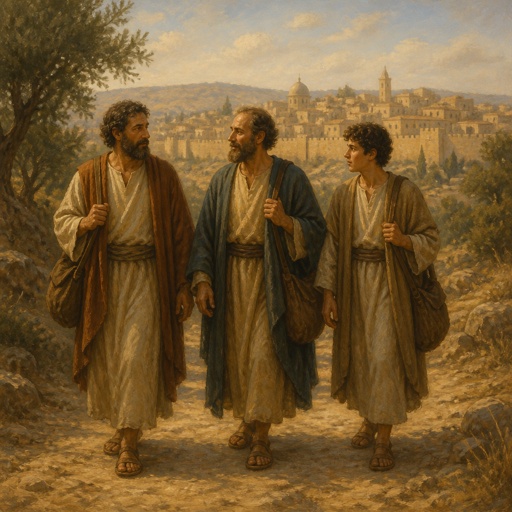
"And Barnabas and Saul returned from Jerusalem, when they had fulfilled their ministry, and took with them John, whose surname was Mark." - Acts 12:25

Luke 12:25

Luke 12:25

Genesis 25:12

John 19:25-27 with emphasis on Mary

John 7:25 - "Then said some of them of Jerusalem, Is not this he, whom they seek to kill?"

John 6:12

John 8:12

John 3:25 - "¶ Then there arose a question between some of John's disciples and the Jews about purifying."

Luke 12:25-26

Luke 12:25-26

Luke 12:25-26

Luke 12:25-26
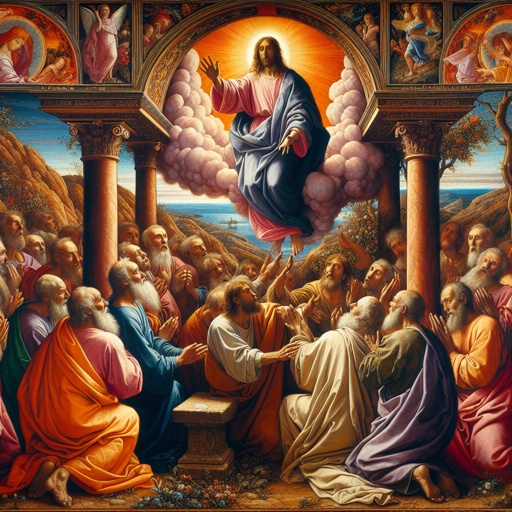
Luke 12:25-26

Luke 12:25-26

Luke 12:25-26

John 8:12

John 8:12

John 8:12

John 12:3