The Betrayal of a Disciple: Reflections on John 12:4
“Then saith one of his disciples, Judas Iscariot, Simon’s son, which should betray him,” — John 12:4
In the heart of John's Gospel, where we encounter profound truths about Jesus' ministry and divine mission, we come to a poignant moment in John 12:4, stating, "Then saith one of his disciples, Judas Iscariot, Simon's son, which should betray him." As we unpack this verse, we are reminded of the themes of loyalty, betrayal, and the complexity of the human heart.
Judas Iscariot, one of the twelve disciples chosen by Jesus, represents the ultimate betrayal. He walked alongside Jesus, witnessed His miracles, and heard His teachings yet chose a path that would lead not only to the physical betrayal of Christ but also to eternal ramifications for himself. This verse serves as a sobering reminder that proximity to Jesus does not guarantee faithfulness.
As we reflect on this verse, we might wonder: What drove Judas to such treachery? Was it greed, ambition, or disillusionment? Each of these possibilities can find a place in our hearts if we are not careful. Judas is often viewed merely as a villain in the narrative of Christ’s life, but he also serves as a cautionary figure for us today. He reminds us that even those who are closest to Christ are susceptible to sin and temptation. This should inspire within us a heart of vigilance. Paul the Apostle urges us in 1 Corinthians 10:12 to take heed lest we fall, showing us that no one is beyond the reaches of temptation.
Consider Peter, who also faced the possibility of turning away. He denied knowing Jesus three times, yet his heart was ultimately turned back to the Lord. The difference between Peter and Judas lies not only in their attitudes but in their responses to their failures. Peter repented; Judas, however, chose despair and sold himself to guilt. The path we choose after we falter can define our relationship with God.
The actions of Judas Iscariot lead us to examine our own hearts. Are we merely attending church, reading the Scriptures, and engaging in spiritual activities while harboring unconfessed sins or a heart of rebellion? Judas might have been in the circle of the Twelve, yet his heart was far from the Lord's. As we meditate on this, we should ask ourselves: Is our faith lived out in genuine love for Christ, or are we just performing religious duties?
Furthermore, John 12:4 brings to light the reality of divine purpose even amid human failure. Jesus knew from the beginning who would betray Him (John 6:64), and yet, He allowed Judas to remain among His disciples. This can be perplexing, but it enforces a powerful truth: God’s sovereignty prevails even in our worst decisions. Betrayal may bring pain, yet it serves to fulfill God's redemptive plan.
The cross, the final destination of Judas’ betrayal, became the ultimate symbol of hope for humanity. What was intended for evil was turned for good. God can take our greatest failures, both personally and relationally, and weave them into the tapestry of His grand design for our lives. As we engage with our fallen nature, we must also lean on God's ability to redeem and restore.
In closing, let the story of Judas serve as both a warning and a call to deeper devotion. It reminds us that the heart of the matter is the matter of the heart. Let us strive to cultivate a heart of integrity, surrendering our temptations and weaknesses to the Lord. Let us keep our eyes fixed on Christ, allowing His love to overflow into our actions, ensuring that we remain steadfast in faith, never swayed by betrayal, whether from others or ourselves. As we continue our walk with the Lord, may we choose faithfulness over deceit, truth over falsehood, and love over betrayal.
Get our apps


Artwork for John 12:4

John 12:4 - "Then saith one of his disciples, Judas Iscariot, Simon's son, which should betray him,"
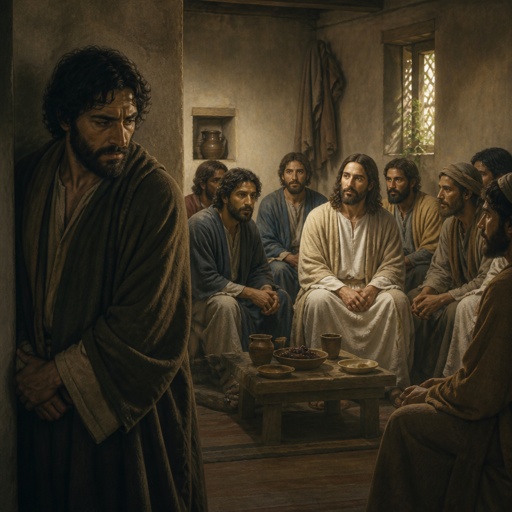
"Then saith one of his disciples, Judas Iscariot, Simon's son, which should betray him," - John 12:4

Matthew 4:12 - "¶ Now when Jesus had heard that John was cast into prison, he departed into Galilee;"

John 4:12 - "Art thou greater than our father Jacob, which gave us the well, and drank thereof himself, and his children, and his cattle?"

1 John 4:12 - "No man hath seen God at any time. If we love one another, God dwelleth in us, and his love is perfected in us."
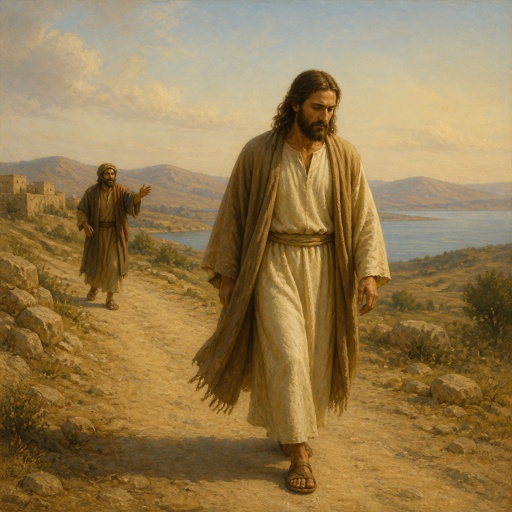
"¶ Now when Jesus had heard that John was cast into prison, he departed into Galilee;" - Matthew 4:12

John 6:12

John 8:12

1 John 4:11-12 - "Beloved, if God so loved us, we also ought to love one another. No one has ever seen God; if we love one another, God abides in us and his love is perfected in us."

John 12:25

John 8:12

John 8:12

John 8:12

John 12:3

John 8:12

John 4:4 - "And he must needs go through Samaria."

John 20:11-12

John 12:12 - "¶ On the next day much people that were come to the feast, when they heard that Jesus was coming to Jerusalem,"

John 4:16

John 3:4

John 4:16

John 4:16

John 4:16

John 4:16

John 4:16

John 4:16

John 4:16

John 3:4

John 4:16

John 4:16