Preparing Our Hearts for the Passover: Reflections on John 12:1
“Then Jesus six days before the passover came to Bethany, where Lazarus was which had been dead, whom he raised from the dead.” — John 12:1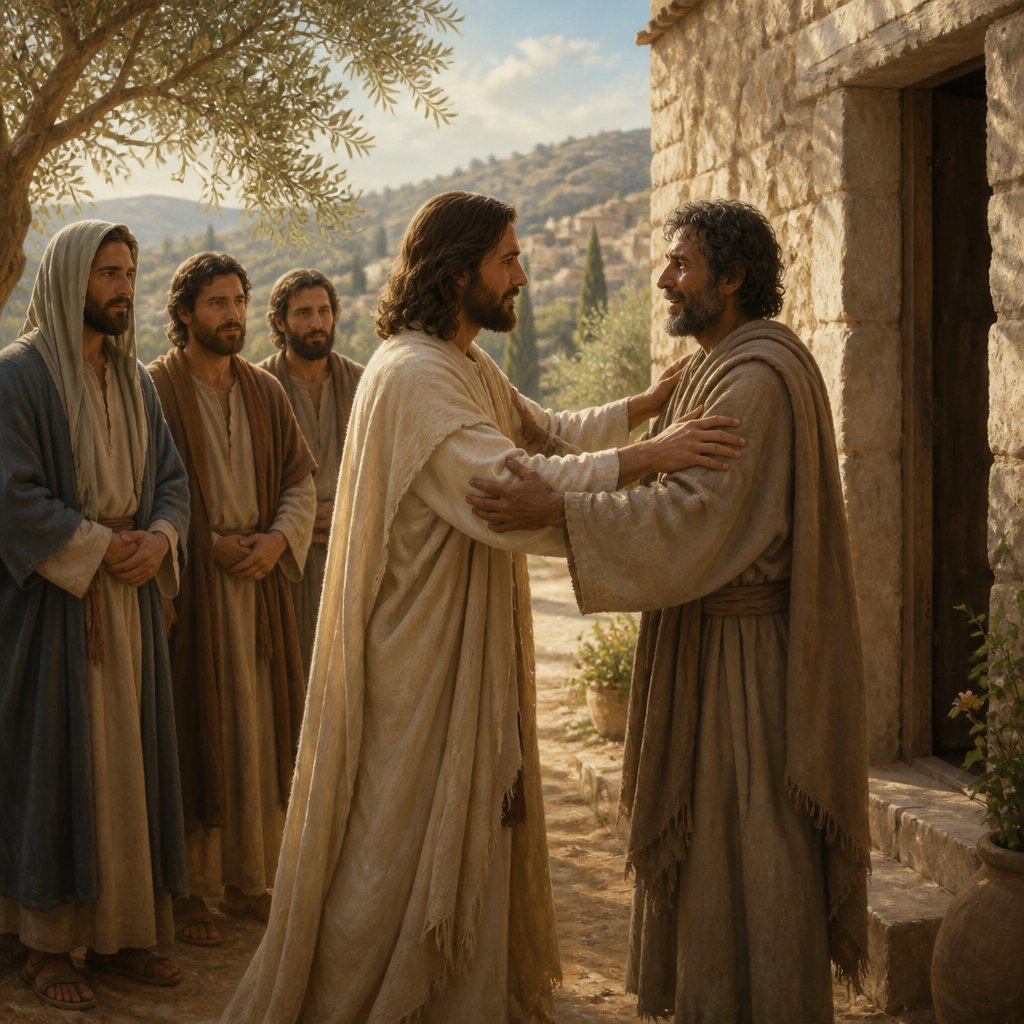
As we gather around the scene detailed in John 12:1, we find ourselves at the threshold of a pivotal moment in the life of Jesus Christ. The verse reads: "Then Jesus six days before the passover came to Bethany, where Lazarus was which had been dead, whom he raised from the dead." This passage not only signifies the proximity of Jesus to His impending crucifixion but also highlights the profound miracle He performed in raising Lazarus from the dead. In this single verse, we are invited to reflect on themes of life, death, anticipation, and worship, which resonate deeply in our spiritual journeys.
To understand the weight of this moment, we must first consider the context. Bethany, a small village near Jerusalem, was not just the residence of Lazarus and his sisters, Mary and Martha; it was a place of deep personal connection for Jesus. He had shared meals and moments of joy and sorrow here. The resurrection of Lazarus had stirred both amazement and animosity among the religious leaders. For many who witnessed it, Jesus' miraculous act was a monumental display of His divine authority and compassion. Yet, it also fueled the plot to eliminate Him.
Why does the scripture specifically mention that this event occurs *six days before the Passover*? In Jewish tradition, the Passover is a time of remembrance, a celebration of liberation from bondage in Egypt. It marks God’s deliverance and signifies a new beginning for His people. In this context, Jesus was preparing to become the ultimate Passover Lamb. His journey to the cross was not only an act of atonement but also a powerful statement about eternal life. By raising Lazarus, Jesus foreshadows His own resurrection, breaking through the limitations of physical death and offering the hope of spiritual renewal.
As we meditate on this verse, we are reminded to confront our own "dead places." Lazarus' resurrection symbolizes hope in situations where we may feel lifeless or trapped in despair. What are the areas in our lives that seem dead or beyond hope? Relationships strained, dreams deferred, or sin that lingers—these are the tombs that we often find ourselves unable to escape. Yet, as Jesus entered Bethany, He, too, steps into our tombs, where we feel most defeated. He calls to us, just as He called Lazarus, inviting us to rise again.
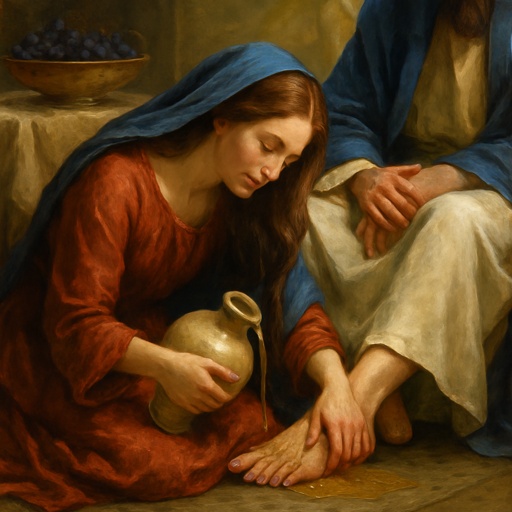
Moreover, the setting prompts introspection about the act of worship that follows. While John 12 continues to describe Mary anointing Jesus with precious ointment, it reflects a profound act of gratitude and reverence. The question we must ask ourselves is: How do we respond to the incredible works that Jesus has done in our lives? Mary’s extravagant worship was rooted in understanding the gravity of what Jesus was about to accomplish. When we take the time to reflect on our own experiences of His grace and mercy, we are compelled to respond with a heart filled with gratitude and worship.
Finally, as the Passover approaches, we are reminded of our call to prepare our hearts. Six days before the Passover, our Savior stood before His friends in a moment of bittersweet anticipation. In this final week before His crucifixion, each action was saturated with meaning and purpose. We are invited to enter this moment with Him, acknowledging our need for His sacrifice. In what ways can we prepare ourselves to receive what He has to offer? With intentional prayer, fasting, and reflection, we can clear the clutter of our lives and open our hearts to the transforming work of Christ.
In conclusion, John 12:1 encapsulates a rich tapestry of themes that beckon us to delve deeper into our faith. It challenges us to confront our dead areas, respond in worship, and prepare for the upcoming celebration of Easter. May we posture ourselves with hearts of expectation, knowing that the God who raised Lazarus is the same God who is capable of resurrecting hope in our own lives.
Get our apps


Artwork for John 12:1

John 12:1 - "Then Jesus six days before the passover came to Bethany, where Lazarus was which had been dead, whom he raised from the dead."
"Then Jesus six days before the passover came to Bethany, where Lazarus was which had been dead, whom he raised from the dead." - John 12:1
John 12:3

1 John 5:12 - "He that hath the Son hath life; and he that hath not the Son of God hath not life."

1 John 2:12 - "I write unto you, little children, because your sins are forgiven you for his name's sake."

John 1:12 - "But as many as received him, to them gave he power to become the sons of God, even to them that believe on his name:"

1 John 4:12 - "No man hath seen God at any time. If we love one another, God dwelleth in us, and his love is perfected in us."

3 John 1:12 - "Demetrius hath good report of all men, and of the truth itself: yea, and we also bear record; and ye know that our record is true."
John 6:12

John 8:12

1 John 3:12 - "Not as Cain, who was of that wicked one, and slew his brother. And wherefore slew he him? Because his own works were evil, and his brother's righteous."

John 12:25

John 8:12

John 8:12

John 8:12

John 8:12

John 20:11-12

John 12:12 - "¶ On the next day much people that were come to the feast, when they heard that Jesus was coming to Jerusalem,"

2 John 1:12 - "Having many things to write unto you, I would not write with paper and ink: but I trust to come unto you, and speak face to face, that our joy may be full."

Acts 12:2 - "And he killed James the brother of John with the sword."

"He that hath the Son hath life; and he that hath not the Son of God hath not life." - 1 John 5:12

John 12:39 - "Therefore they could not believe, because that Esaias said again,"

John 12:43 - "For they loved the praise of men more than the praise of God."

John 12:45 - "And he that seeth me seeth him that sent me."

John 18:12 - "Then the band and the captain and officers of the Jews took Jesus, and bound him,"

John 12:33 - "This he said, signifying what death he should die."

1 John 4:11-12 - "Beloved, if God so loved us, we also ought to love one another. No one has ever seen God; if we love one another, God abides in us and his love is perfected in us."

John 15:12 love one another

John 12:10 - "¶ But the chief priests consulted that they might put Lazarus also to death;"

John 12:5 - "Why was not this ointment sold for three hundred pence, and given to the poor?"