What does John 12:1 mean?
“Then Jesus six days before the passover came to Bethany, where Lazarus was which had been dead, whom he raised from the dead.” — John 12:1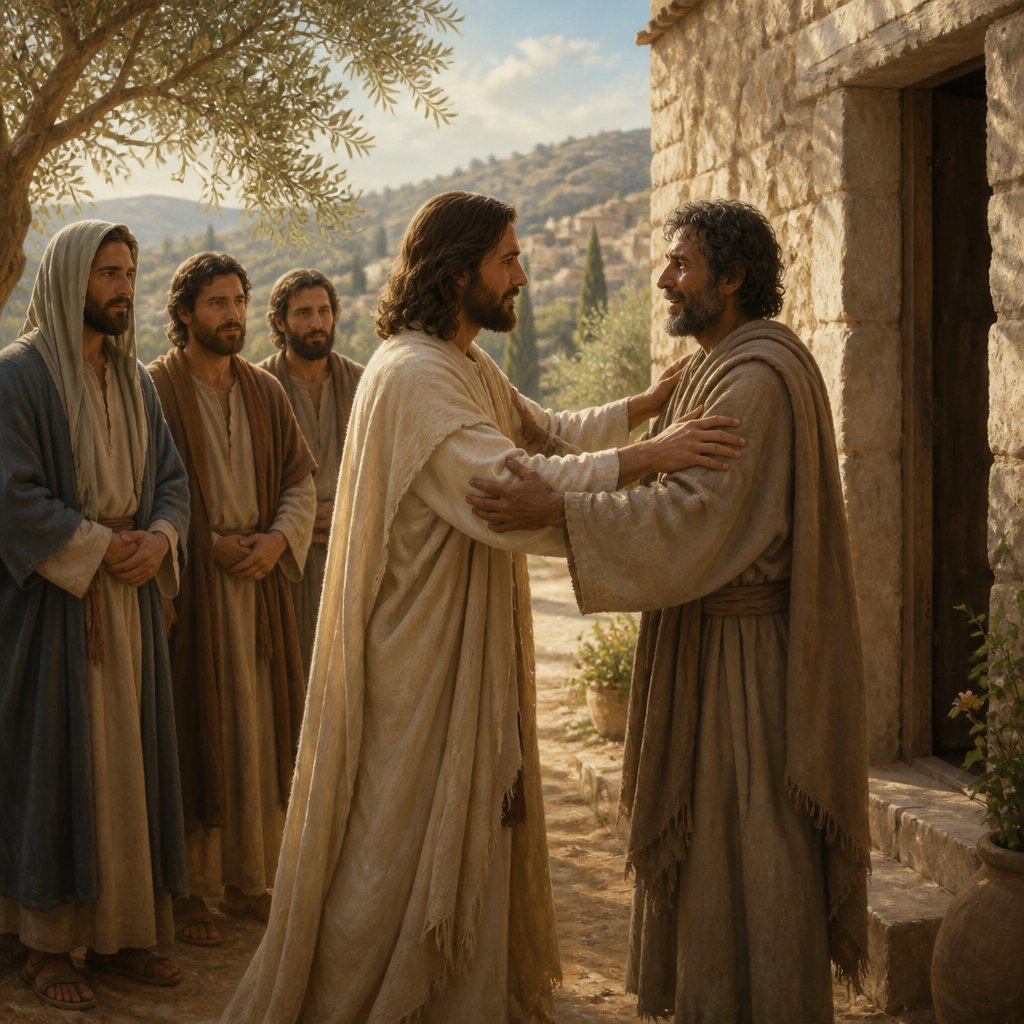
John 12:1 (KJV):
"Then Jesus six days before the passover came to Bethany, where Lazarus was which had been dead, whom he raised from the dead."
In this verse from the Gospel of John, Jesus is depicted as visiting the town of Bethany six days before the Passover. This event is significant in several ways, as it foreshadows the impending crucifixion of Jesus and highlights his miraculous power over death.
The context of this verse takes place shortly after Jesus raised Lazarus from the dead. This miracle had attracted a great deal of attention and had caused many people to believe in Jesus (John 11:45). However, it also angered the religious leaders, who saw Jesus as a threat to their authority and sought to have him killed (John 11:53).
Within this context, Jesus' visit to Bethany carries great symbolism. The fact that he goes to the town where he had performed one of his most powerful miracles serves as a reminder of his authority and divine power. It also highlights the personal connection he had with Lazarus and his household, as well as the deep love and care he had for his friends.
The upcoming Passover also holds significant symbolism in the biblical narrative. The Passover was an annual Jewish festival that commemorated the Israelites' liberation from slavery in Egypt. It was a time of remembrance and celebration, but it also had prophetic significance, as it pointed to the ultimate liberation and redemption that would come through the sacrifice of Jesus.
One of the key themes present in this verse is the power of Jesus over death. The fact that he visits Bethany, where Lazarus had been raised from the dead, emphasizes his victory over the grave. This theme is central to the Christian faith, as it points to the hope of resurrection and eternal life that believers have in Jesus.
The verse also underscores the humanity of Jesus, as he displays emotions and relationships with those around him. Throughout the Gospels, Jesus is depicted as having deep and meaningful connections with individuals, and his visit to Bethany exemplifies this aspect of his character.
Furthermore, the verse serves as a foreshadowing of the events that are about to unfold. By mentioning the proximity of the Passover, the Gospel of John sets the stage for Jesus' approaching crucifixion and resurrection. This builds anticipation and tension in the narrative, as the reader is reminded of the cost and purpose of Jesus' mission on earth.
In conclusion, John 12:1 is a rich and multifaceted verse that carries deep theological and symbolic significance. It points to the power of Jesus over death, his personal relationships, and the fulfillment of Old Testament prophecies. It also sets the stage for the pivotal events of Jesus' crucifixion and resurrection, underscoring the central message of hope and redemption that lies at the heart of the Christian faith.
Get our apps


Artwork for John 12:1

John 12:1 - "Then Jesus six days before the passover came to Bethany, where Lazarus was which had been dead, whom he raised from the dead."
"Then Jesus six days before the passover came to Bethany, where Lazarus was which had been dead, whom he raised from the dead." - John 12:1
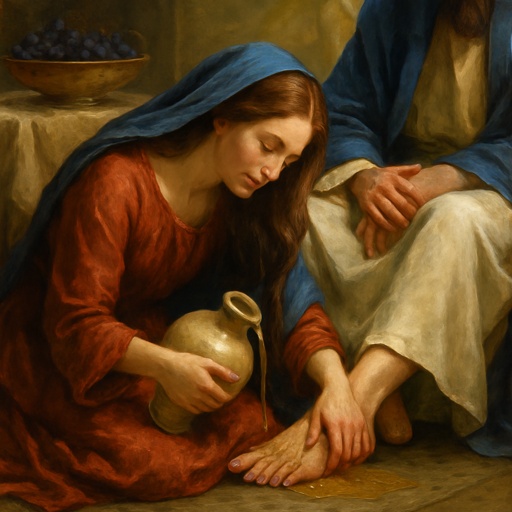
John 12:3

1 John 5:12 - "He that hath the Son hath life; and he that hath not the Son of God hath not life."

1 John 2:12 - "I write unto you, little children, because your sins are forgiven you for his name's sake."

John 1:12 - "But as many as received him, to them gave he power to become the sons of God, even to them that believe on his name:"

1 John 4:12 - "No man hath seen God at any time. If we love one another, God dwelleth in us, and his love is perfected in us."

3 John 1:12 - "Demetrius hath good report of all men, and of the truth itself: yea, and we also bear record; and ye know that our record is true."
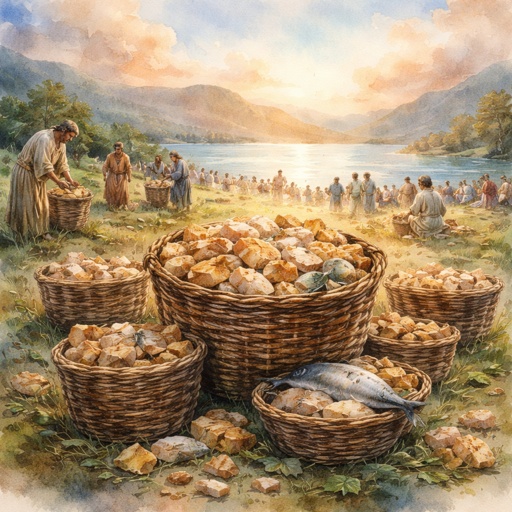
John 6:12

John 8:12

1 John 3:12 - "Not as Cain, who was of that wicked one, and slew his brother. And wherefore slew he him? Because his own works were evil, and his brother's righteous."

John 12:25
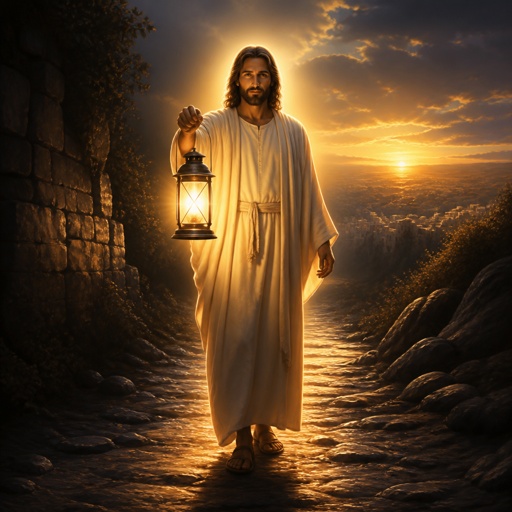
John 8:12

John 8:12

John 8:12

John 8:12

John 20:11-12

John 12:12 - "¶ On the next day much people that were come to the feast, when they heard that Jesus was coming to Jerusalem,"

2 John 1:12 - "Having many things to write unto you, I would not write with paper and ink: but I trust to come unto you, and speak face to face, that our joy may be full."

Acts 12:2 - "And he killed James the brother of John with the sword."

"He that hath the Son hath life; and he that hath not the Son of God hath not life." - 1 John 5:12

John 12:39 - "Therefore they could not believe, because that Esaias said again,"

John 12:43 - "For they loved the praise of men more than the praise of God."

John 12:45 - "And he that seeth me seeth him that sent me."

John 18:12 - "Then the band and the captain and officers of the Jews took Jesus, and bound him,"

John 12:33 - "This he said, signifying what death he should die."

1 John 4:11-12 - "Beloved, if God so loved us, we also ought to love one another. No one has ever seen God; if we love one another, God abides in us and his love is perfected in us."

John 15:12 love one another

John 12:10 - "¶ But the chief priests consulted that they might put Lazarus also to death;"

John 12:5 - "Why was not this ointment sold for three hundred pence, and given to the poor?"