Worship Beyond Boundaries: A Reflection on John 12:20
“And there were certain Greeks among them that came up to worship at the feast:” — John 12:20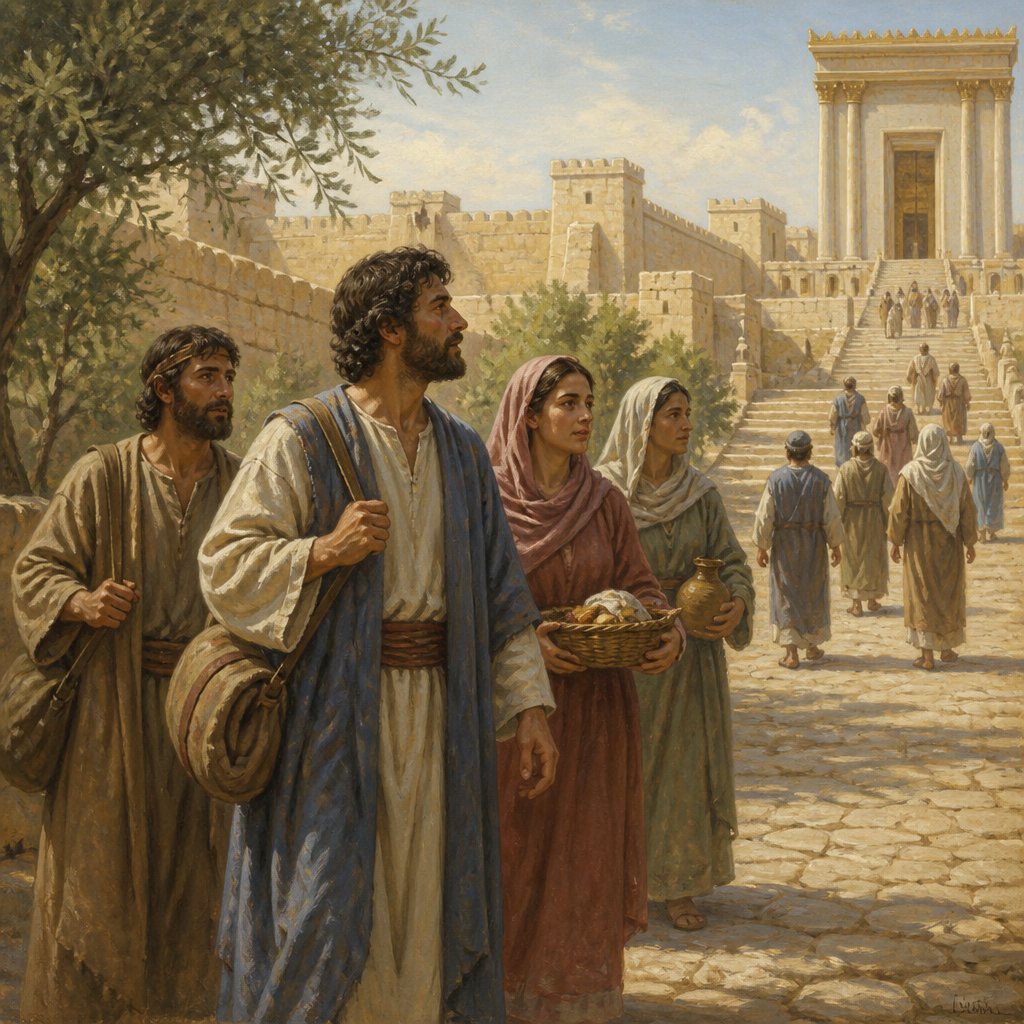
The Gospel according to John paints a vivid picture of a pivotal moment in the ministry of Jesus, captured in the simple yet profound verse: "And there were certain Greeks among them that came up to worship at the feast" (John 12:20, KJV). This verse, seemingly straightforward, carries layers of significance that reveal the expansive nature of Christ's mission and the call to worship that transcends cultural and ethnic boundaries.
In the context of John 12, we find ourselves on the brink of the Passion week, where Jesus is about to fulfill His ultimate purpose — the atonement of humanity through His sacrificial death. The Feast referenced in this verse is likely the Passover, a time when Jewish people commemorated their deliverance from Egypt. However, the presence of Greeks among the worshippers symbolizes a broader outreach and acknowledgment of Jesus’ universal appeal. These Greeks were not merely visitors; they represent the Gentile seekers who were beginning to gravitate towards the light of Christ, drawn by the hope of salvation that was once thought to be exclusive to the Jews.
The inclusion of the Greeks challenges the prevailing notions of exclusivity tied to worship and relationship with God. It reflects the heart of God — a heart that yearns for all people, regardless of their origins, to come and worship. In His life and teachings, Jesus often broke down barriers, reaching out to Samaritan women, tax collectors, and the marginalized. The arrival of the Greeks at the feast highlighted that this movement was not just for the chosen nation of Israel, but for every nation under heaven.
Worship, in its essence, is a response to the revelation of who God is. For these Greeks to come to Jerusalem indicates their spiritual hunger, a desire to encounter the divine and participate in something sacred and holy. Their presence among the Jewish worshippers evokes a passionate inquiry about who Jesus truly is. It serves as a profound reminder to us today: when we approach God, we must recognize that worship is an act of humility and readiness to be transformed.
As we reflect on this verse, we are called to examine our own attitudes towards worship. Who do we believe is worthy of participating in our services or gatherings? Have we erected walls that separate ‘us’ from ‘them’? The presence of the Greeks at the feast implores us to embrace inclusivity in our worship experiences. As Christians, we are called to create environments where all individuals feel welcomed regardless of their background or past. Just as the Greeks sought to worship, we, too, must become a community that embodies acceptance and love.
Moreover, the fact that these Greeks approached the disciples and expressed their desire to see Jesus underscores the relational aspect of faith and worship. They did not bypass the community of believers to get to Jesus, but acknowledged the importance of the body of Christ in their quest for understanding. This teaches us a vital lesson about community responsibility. As believers, we are tasked with facilitating encounters with Jesus for others, guiding them through our love, our actions, and our words.
As we continue our journey of faith, let us imitate the Greeks by nurturing our deep longing to meet Jesus, while also challenging ourselves to open the doors wide to those seeking Him. Let us worship not just within the confines of our comfort, but in a way that echoes the heartbeat of God — a symphony composed of diverse voices worshipping in unison.
In conclusion, John 12:20 serves as a poignant reminder that the call to worship extends beyond societal boundaries. It invites us into a deeper understanding of God's love and opens the door for all who seek Him. Today, let us choose to worship individually and collectively with hearts that resonate with the beauty of diversity, realizing that we are all called to see and serve Him in one another.
Get our apps


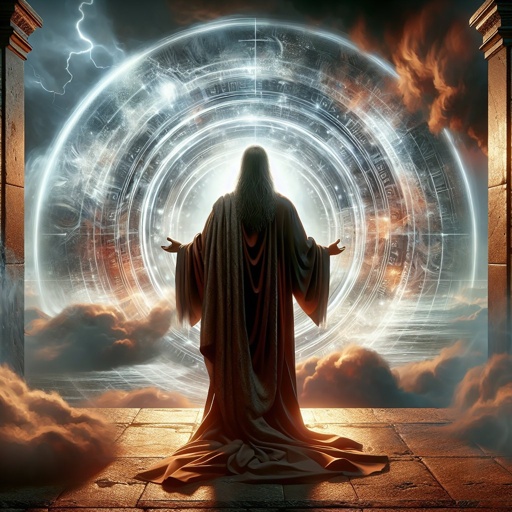
Artwork for John 12:20

John 12:20 - "¶ And there were certain Greeks among them that came up to worship at the feast:"
"¶ And there were certain Greeks among them that came up to worship at the feast:" - John 12:20

John 12:20-26 - "20 Now there were some Greeks among those who went up to worship at the festival. 21 They came to Philip, who was from Bethsaida in Galilee, with a request. “Sir,” they said, “we would like to see Jesus.” 22 Philip went to tell Andrew; Andrew and Philip in turn told Jesus. 23 Jesus replied, “The hour has come for the Son of Man to be glorified. 24 Very truly I tell you, unless a kernel of wheat falls to the ground and dies, it remains only a single seed. But if it dies, it produces many seeds. 25 Anyone who loves their life will lose it, while anyone who hates their life in this world will keep it for eternal life. 26 Whoever serves me must follow me; and where I am, my servant also will be. My Father will honor the one who serves me."
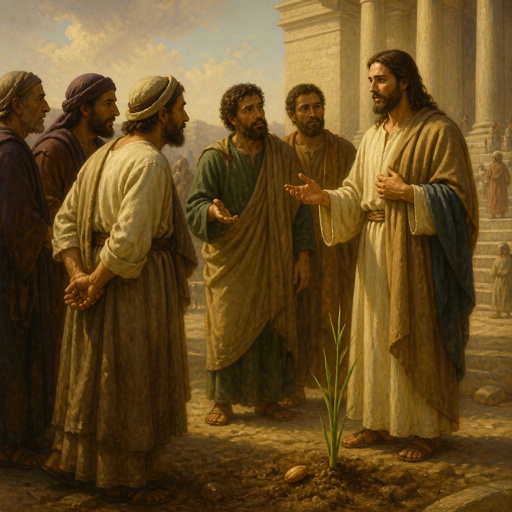
"20 Now there were some Greeks among those who went up to worship at the festival. 21 They came to Philip, who was from Bethsaida in Galilee, with a request. “Sir,” they said, “we would like to see Jesus.” 22 Philip went to tell Andrew; Andrew and Philip in turn told Jesus. 23 Jesus replied, “The hour has come for the Son of Man to be glorified. 24 Very truly I tell you, unless a kernel of wheat falls to the ground and dies, it remains only a single seed. But if it dies, it produces many seeds. 25 Anyone who loves their life will lose it, while anyone who hates their life in this world will keep it for eternal life. 26 Whoever serves me must follow me; and where I am, my servant also will be. My Father will honor the one who serves me." - John 12:20-26

John 20:11-12

John 20:12 - "And seeth two angels in white sitting, the one at the head, and the other at the feet, where the body of Jesus had lain."

John 20:21

John 20:27

John 20:14

John 20:27
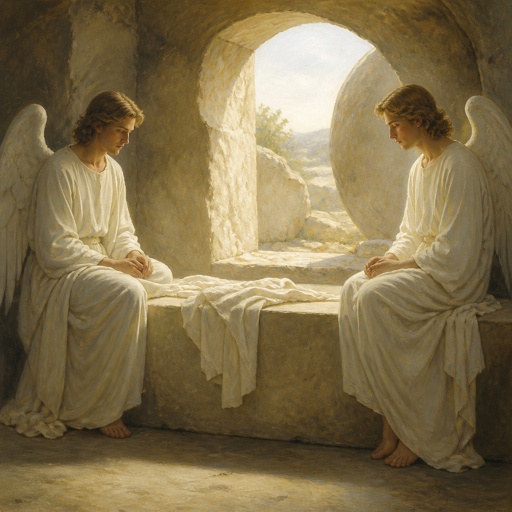
"And seeth two angels in white sitting, the one at the head, and the other at the feet, where the body of Jesus had lain." - John 20:12

John 20:11-13

John 20:30-31
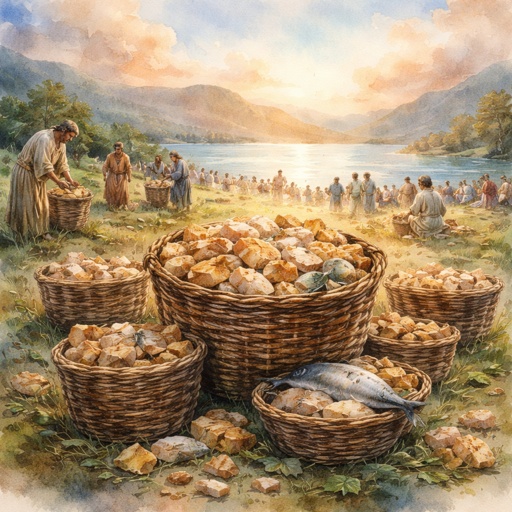
John 6:12

John 8:12
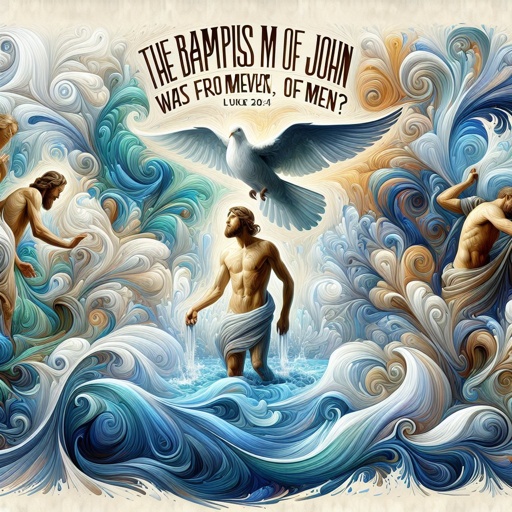
Luke 20:4 - "The baptism of John, was it from heaven, or of men?"

John 12:25
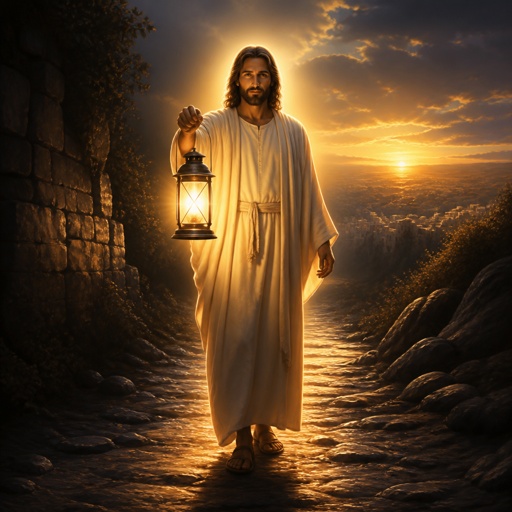
John 8:12

John 8:12

John 8:12
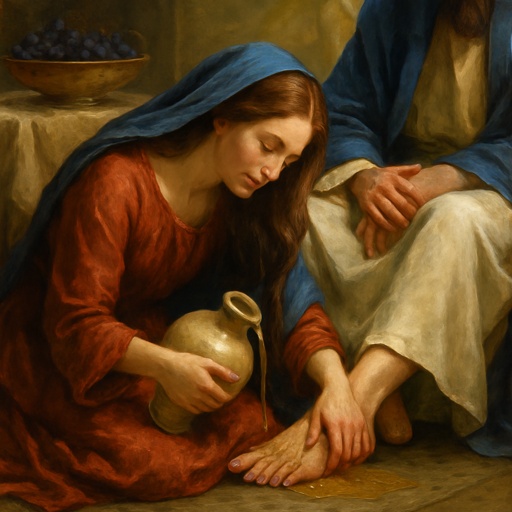
John 12:3

John 8:12

John 6:20 - "But he saith unto them, It is I; be not afraid."

Genesis 20-12
John 1:20 - "And he confessed, and denied not; but confessed, I am not the Christ."

John 20:10 - "Then the disciples went away again unto their own home."

John 12:12 - "¶ On the next day much people that were come to the feast, when they heard that Jesus was coming to Jerusalem,"

John 20:20 - "And when he had so said, he shewed unto them his hands and his side. Then were the disciples glad, when they saw the Lord."

John 20:3 - "Peter therefore went forth, and that other disciple, and came to the sepulchre."

acts 20:7-12