What does John 12:20 mean?
“And there were certain Greeks among them that came up to worship at the feast:” — John 12:20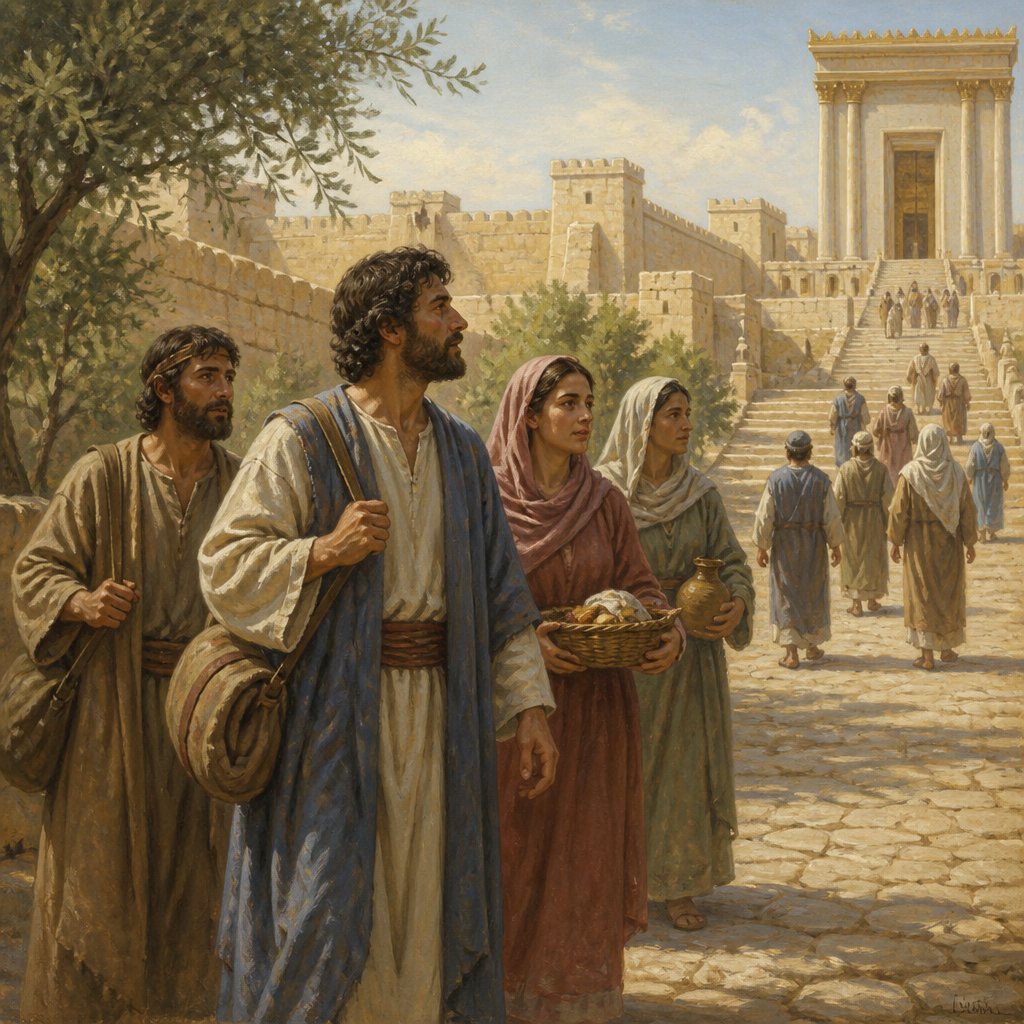
John 12:20 (KJV) states, "And there were certain Greeks among them that came up to worship at the feast." This verse is found in the New Testament, specifically in the Gospel of John, which is traditionally ascribed to John the Apostle. This verse is a part of the larger narrative leading up to the crucifixion of Jesus Christ.
In this verse, the focus is on "certain Greeks" who come to worship at the feast. This seemingly minor detail actually holds significance within the larger context of the Gospel of John. Throughout the Gospel, there is a prevalent theme of Jesus' mission extending beyond the Jewish people to the entire world. Here, the mention of Greeks coming to worship at the feast represents the inclusivity of Jesus' message and ministry. It foreshadows the spread of Christianity to the Gentiles, which is further emphasized in the book of Acts.
The context of John 12:20 is important to understand the significance of this verse. This verse comes at a crucial point in Jesus' ministry, just before his crucifixion. Earlier in the chapter, Jesus had performed his final public miracle by raising Lazarus from the dead, which led to an increase in his popularity among the people. However, it also drew the attention of the religious leaders who saw Jesus as a threat. This set the stage for the events that would ultimately lead to Jesus' arrest and crucifixion.
In the larger narrative of Jesus' ministry, the inclusion of the Greeks serves as a reminder of the universal nature of Christ's message. The Gospel of John frequently highlights Jesus' interactions with individuals from various backgrounds, showcasing his concern for all people. This verse illustrates that people from different cultures and backgrounds are drawn to Jesus and his message, signaling the beginning of the spread of the Gospel to the Gentiles.
Symbolically, the presence of the Greeks at the feast represents the fulfillment of God's plan to include all nations in his redemptive work. The Greeks, as representatives of the Gentile world, symbolize the inclusion of all people in God's kingdom. This theme of universal salvation is central to the Christian faith and is echoed in other New Testament writings, particularly in the letters of Paul.
Furthermore, the coming of the Greeks to worship at the feast also points to the fulfillment of the Old Testament prophecies concerning the Messiah. In Isaiah 49:6, God promises that the Messiah will be a light to the Gentiles, and in Psalm 87:4-6, it is prophesied that people from various nations will acknowledge God. The presence of the Greeks in John 12:20 represents the fulfillment of these prophecies and emphasizes the universal scope of Jesus' mission.
In conclusion, John 12:20 captures the moment when certain Greeks come to worship at the feast, highlighting the inclusivity of Jesus' message and foreshadowing the spread of Christianity to the Gentiles. This verse exemplifies the universal nature of Christ's mission and serves as a reminder of God's plan to include all nations in his redemptive work. It also symbolizes the fulfillment of Old Testament prophecies concerning the Messiah's role in bringing salvation to the whole world. Overall, John 12:20 emphasizes the universal scope of Jesus' ministry and points to the all-encompassing nature of God's redemptive plan.
Get our apps


Artwork for John 12:20

John 12:20 - "¶ And there were certain Greeks among them that came up to worship at the feast:"
"¶ And there were certain Greeks among them that came up to worship at the feast:" - John 12:20

John 12:20-26 - "20 Now there were some Greeks among those who went up to worship at the festival. 21 They came to Philip, who was from Bethsaida in Galilee, with a request. “Sir,” they said, “we would like to see Jesus.” 22 Philip went to tell Andrew; Andrew and Philip in turn told Jesus. 23 Jesus replied, “The hour has come for the Son of Man to be glorified. 24 Very truly I tell you, unless a kernel of wheat falls to the ground and dies, it remains only a single seed. But if it dies, it produces many seeds. 25 Anyone who loves their life will lose it, while anyone who hates their life in this world will keep it for eternal life. 26 Whoever serves me must follow me; and where I am, my servant also will be. My Father will honor the one who serves me."
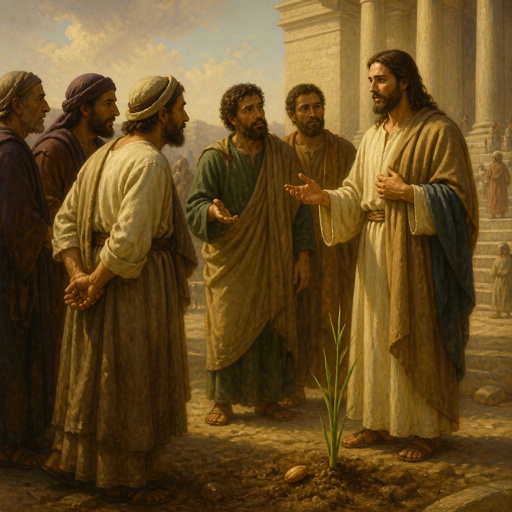
"20 Now there were some Greeks among those who went up to worship at the festival. 21 They came to Philip, who was from Bethsaida in Galilee, with a request. “Sir,” they said, “we would like to see Jesus.” 22 Philip went to tell Andrew; Andrew and Philip in turn told Jesus. 23 Jesus replied, “The hour has come for the Son of Man to be glorified. 24 Very truly I tell you, unless a kernel of wheat falls to the ground and dies, it remains only a single seed. But if it dies, it produces many seeds. 25 Anyone who loves their life will lose it, while anyone who hates their life in this world will keep it for eternal life. 26 Whoever serves me must follow me; and where I am, my servant also will be. My Father will honor the one who serves me." - John 12:20-26

John 20:11-12

John 20:12 - "And seeth two angels in white sitting, the one at the head, and the other at the feet, where the body of Jesus had lain."

John 20:21

John 20:27

John 20:14

John 20:27
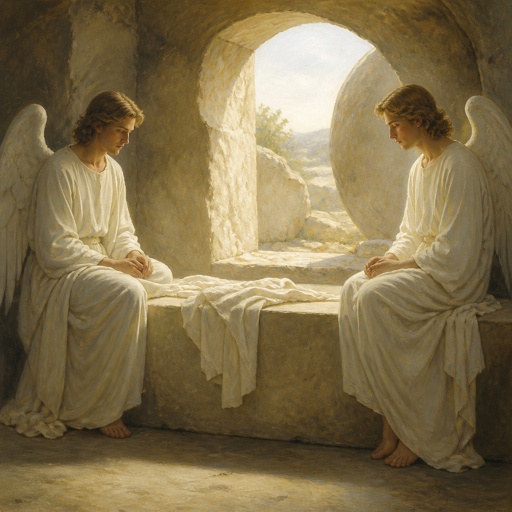
"And seeth two angels in white sitting, the one at the head, and the other at the feet, where the body of Jesus had lain." - John 20:12

John 20:11-13

John 20:30-31
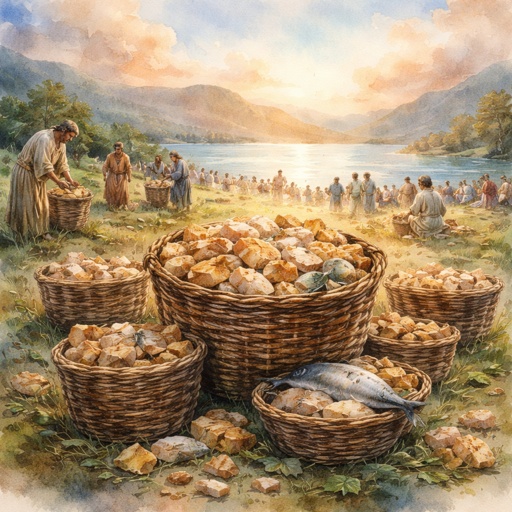
John 6:12

John 8:12
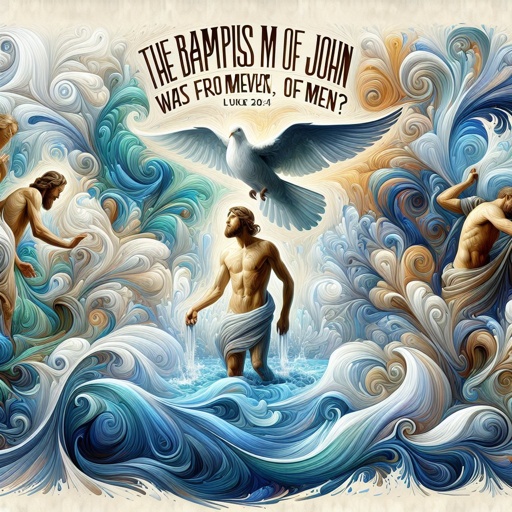
Luke 20:4 - "The baptism of John, was it from heaven, or of men?"

John 12:25
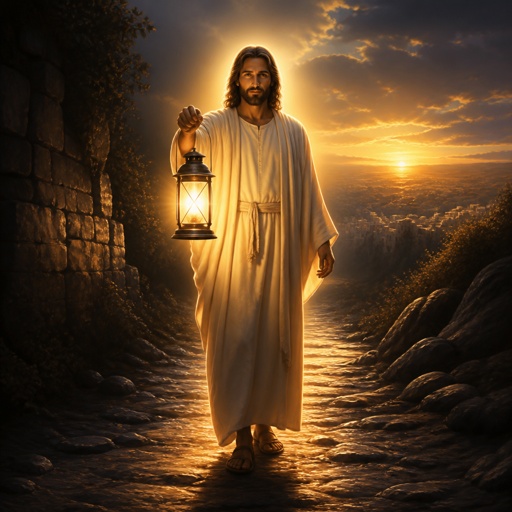
John 8:12

John 8:12

John 8:12
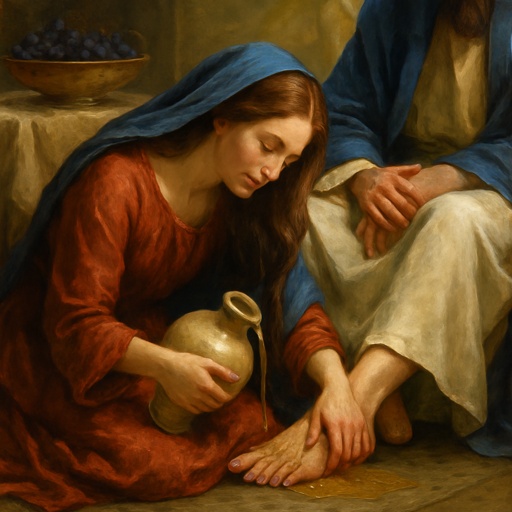
John 12:3

John 8:12

John 6:20 - "But he saith unto them, It is I; be not afraid."

Genesis 20-12
John 1:20 - "And he confessed, and denied not; but confessed, I am not the Christ."

John 20:10 - "Then the disciples went away again unto their own home."

John 12:12 - "¶ On the next day much people that were come to the feast, when they heard that Jesus was coming to Jerusalem,"

John 20:20 - "And when he had so said, he shewed unto them his hands and his side. Then were the disciples glad, when they saw the Lord."

John 20:3 - "Peter therefore went forth, and that other disciple, and came to the sepulchre."

acts 20:7-12