The Troubled Heart: Embracing the Pain of Betrayal
“When Jesus had thus said, he was troubled in spirit, and testified, and said, Verily, verily, I say unto you, that one of you shall betray me.” — John 13:21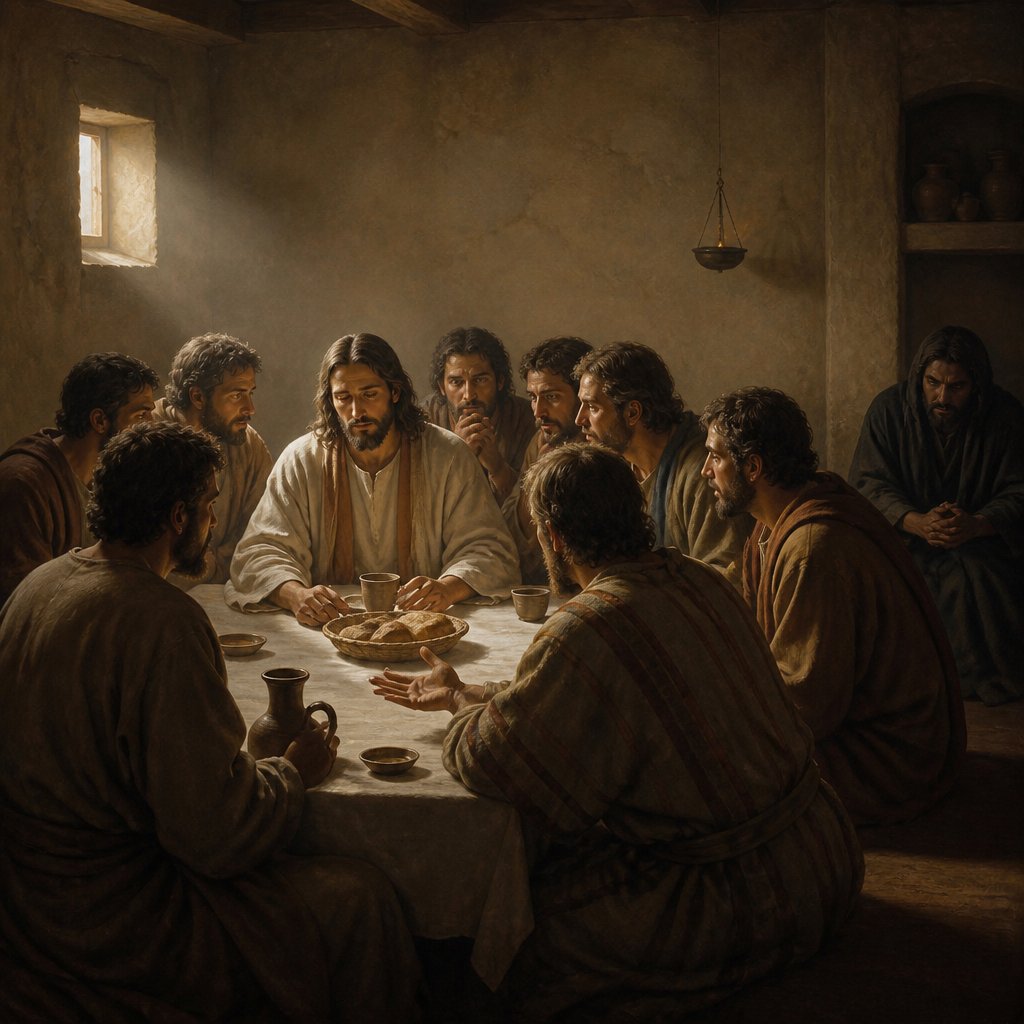
In the profound journey of faith, we frequently encounter moments of incredible joy, peace, and assurance. Yet, there are also times when the burden of sorrow weighs heavily upon us, revealing the raw, unfiltered truth of our human experience. One such moment is captured in John 13:21, where we find a deeply troubled Jesus foretelling His betrayal by one of His closest friends: "When Jesus had thus said, he was troubled in spirit, and testified, and said, Verily, verily, I say unto you, that one of you shall betray me."
This verse stands as a poignant reminder that even the Son of God was not immune to the pains of betrayal. While we often celebrate Jesus' strength and His unwavering love for humanity, it is essential to recognize His vulnerability in this moment. The phrase "he was troubled in spirit" speaks volumes about the depth of Jesus' emotional turmoil. He was surrounded by those He loved, yet one was on the verge of turning against Him.
Betrayal comes in many forms. It can be a whisper of distrust among friends, a misunderstanding that leads to a painful rift, or even a deliberate act of deceit. Whatever the form, the sting cuts deep and can leave us feeling abandoned and alone. Yet, in Jesus' moment of suffering, we discover a sanctuary for our own troubled hearts. He invites us to express our sorrow and confusion without shame, acknowledging that pain is part of the journey toward redemption.
The context of this verse is significant; it occurs during the Last Supper, a time of fellowship, communion, and profound teaching. Jesus had just washed the feet of His disciples, demonstrating the essence of servitude and love. In the midst of this intimate gathering, the chilling reality of betrayal looms. Jesus was aware that this act would not only lead to His crucifixion but would also serve as a critical turning point in human history—the moment that would ultimately fulfill His mission of salvation. The juxtaposition of intimacy and betrayal highlights the complexity of relationships and the enigmatic nature of free will.
As we reflect on this profound moment, we can apply several lessons to our own lives. First, we learn that even in our darkest hours, we can find solace in God’s presence. Just as Jesus leaned into His calling despite the forthcoming betrayal, we too can embrace our trials as opportunities for growth. The truth of our faith lies not in a life devoid of pain, but in our ability to confront and transcend those moments with the help of the Holy Spirit.
Moreover, Jesus' knowledge of His betrayer teaches us about forgiveness. Despite being aware of the impending betrayal, He did not dismiss Judas or seize the opportunity for retribution. Instead, He continued to minister, love, and serve, demonstrating the powerful message of grace and mercy. In our own lives, when faced with betrayal, we are challenged to respond in love rather than resentment. This requires an active participation in the transformative work of the Holy Spirit, allowing us to release our wounded hearts and break the cycle of pain.
Finally, we must remember that Jesus understands our pain. As the High Priest who sympathizes with our weaknesses (Hebrews 4:15), He invites us to come to Him with our burdens. No betrayal or hurt is too great for His love to heal. As we navigate our interpersonal relationships, let us be mindful of how we treat others, understanding that our actions may deeply impact them. And when we find ourselves betrayed, let us lean into Christ, who was also betrayed, seeking both healing and the ability to forgive.
In conclusion, John 13:21 is not just a tale of despair but a powerful reminder of the hope that lies beyond suffering. Through every betrayal, we can hold on to Jesus, who walks with us, transforms our grief, and ultimately redeems our wounds. May we, like Christ, engage with our pain and emerge more compassionate, loving, and resolute in our faith.
Get our apps


Artwork for John 13:21

John 13:21 - "When Jesus had thus said, he was troubled in spirit, and testified, and said, Verily, verily, I say unto you, that one of you shall betray me."
"When Jesus had thus said, he was troubled in spirit, and testified, and said, Verily, verily, I say unto you, that one of you shall betray me." - John 13:21

John 21:13 - "Jesus then cometh, and taketh bread, and giveth them, and fish likewise."

Habakkuk 2:1-3

"Jesus then cometh, and taketh bread, and giveth them, and fish likewise." - John 21:13

John 20:21

john 21:9

John 21:6

John 21:21 - "Peter seeing him saith to Jesus, Lord, and what shall this man do?"

John 21:6

John 21:17

John 21:25

John 21:6

John 21:6

John 13

John 14:15-21

John 21:15-19

Luke 13:20-21

Luke 13:20-21

Luke 13:20-21

John 2:21 - "But he spake of the temple of his body."

Luke 13:20-21

Luke 13:20-21

Genesis 21-13

John 13:13 - "Ye call me Master and Lord: and ye say well; for so I am."

John 13: 34-35

John 13:4-9

JOHN 6:11-13

John 20:11-13

1 John 4:13