The Betrayal of a Friend: A Reflection on John 13:27
“And after the sop Satan entered into him. Then said Jesus unto him, That thou doest, do quickly.” — John 13:27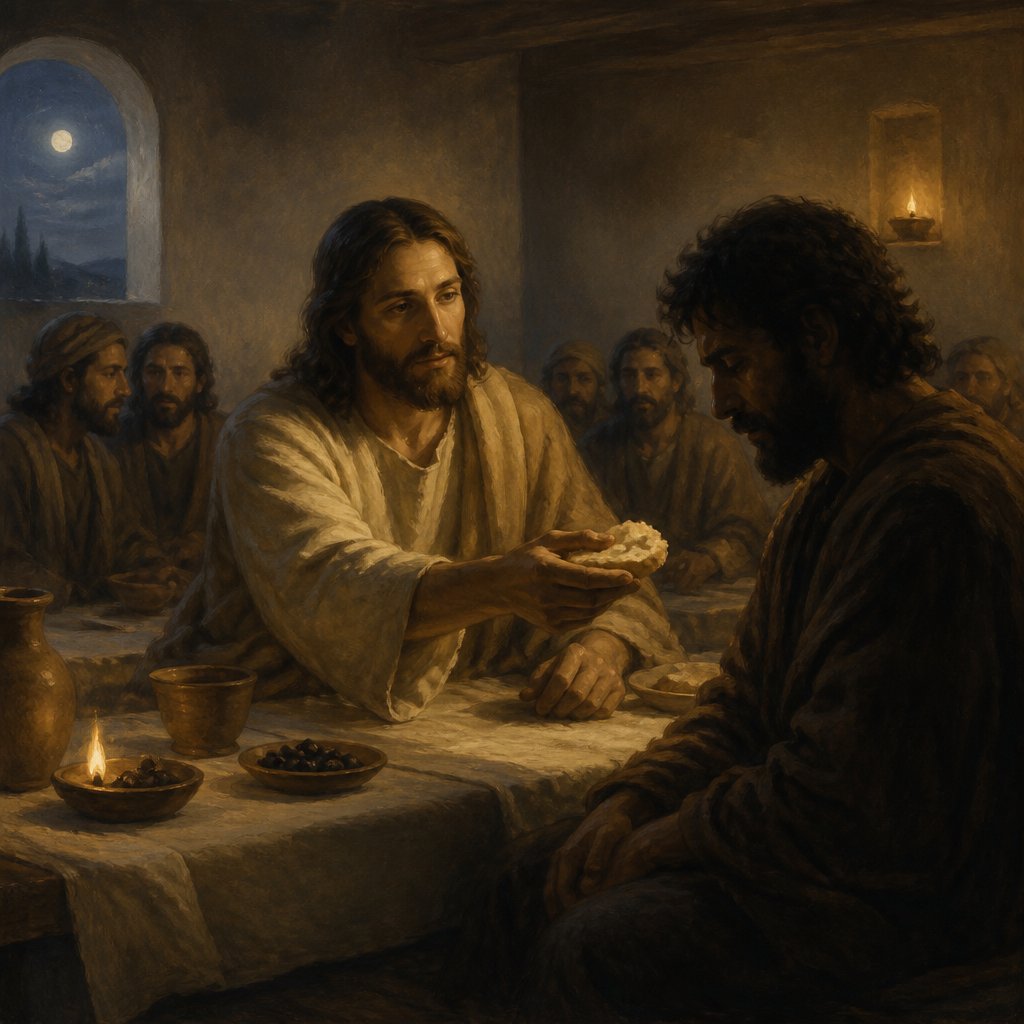
In the Gospel of John, chapter thirteen, we are given a profound insight into the final hours before Christ’s crucifixion. This moment is heavy with significance, not only for its prophetic implications, but for the very human emotions it invokes. John 13:27 states, "And after the sop Satan entered into him. Then said Jesus unto him, That thou doest, do quickly." Here, we witness the chilling moment when Judas Iscariot’s betrayal becomes a painful reality.
To fully grasp the weight of this verse, we must first understand the context in which it finds itself. This occurs during the Last Supper, a pivotal event where Jesus shares a meal with His closest disciples. As they recline at the table, Jesus predicts that one of them will betray Him. The atmosphere is dense with sorrow and tension, as the disciples are not only confused but also troubled by the notion of betrayal from one who has walked alongside them.
The sop, a morsel dipped in a mixture, serves as a signal – a poignant moment where Jesus identifies Judas as the betrayer. The act of sharing bread was a symbol of fellowship and communion, yet here it takes on a grim foreboding as it is given to the very one who will soon turn Him over to His enemies. This juxtaposition illustrates the depth of Judas's treachery; he experienced the intimacy of Jesus' love even as he plotted against Him.
When the text states, "Satan entered into him," it reveals the terrifying reality of spiritual influence. Judas’s heart had become a battleground; his decision to betray Jesus was not made in isolation but was influenced by darker forces at play. This should serve as a cautionary tale for us. How often do we allow our hearts to be swayed by temptation? How easily can we, too, become instruments of division rather than vessels of peace? In our modern context, the seductive whispers of our culture can lead us down paths that contradict the truths of the Gospel. We must remain vigilant, prayerful, and grounded in the Word lest we, like Judas, become vessels for the enemy’s purposes.
In Jesus's response, "That thou doest, do quickly," we find a mix of sorrow and resolve. Jesus does not offer a path towards redemption for Judas at this moment; rather, He acknowledges the inevitability of the betrayal. This verse reveals the sovereignty of God — even that which appears utterly tragic and wrong is used for the ultimate purpose of redemption. Jesus knows that Judas's actions will lead Him towards the cross, the very means by which salvation enters the world.
As painful as this moment is, it also sheds light on the depths of God’s love and grace. Jesus’s heart, knowing the outcome of betrayal, still opens the door for Judas to turn back. In that fleeting moment, Judas had a choice — to soften his heart and seek repentance or to plunge deeper into darkness. The weight of that decision presses on us as well.
In our lives, we all experience moments that could lead to betrayal — of our values, friendships, faith, or our relationship with God. In those moments, may we listen for the voice of Christ urging us toward obedience, love, and reconciliation instead of division and betrayal. Reflecting on this moment, let us draw nearer to the heart of God, continually seeking His grace to empower us to make choices that reflect His love instead of succumbing to the temptations that abound.
Therefore, as we meditate on John 13:27, may we express gratitude for the unending grace and love of Jesus, who, even in the face of betrayal, remained steadfast in His mission to save the world. And let us remember, in moments of darkness and temptation, we have a Savior who calls us back to Himself, reminding us of our identity as His beloved children.
Get our apps


Artwork for John 13:27

John 13:27 - "And after the sop Satan entered into him. Then said Jesus unto him, That thou doest, do quickly."
"And after the sop Satan entered into him. Then said Jesus unto him, That thou doest, do quickly." - John 13:27

John 20:27

John 20:27

John 19:25-27

1 John 2:27

John 3:27 - "John answered and said, A man can receive nothing, except it be given him from heaven."

1 John 2:27

John 19:25-27

John 19:26-27

1 John 2:27

1 John 2:27

John 18:27 - "Peter then denied again: and immediately the cock crew."

John 8:27 - "They understood not that he spake to them of the Father."

John 13

John 19:25-27 with emphasis on Mary

Psalm 27:13-14

Luke 13:28-27

Luke 13:28-27

Luke 13:28-27

John 13:13 - "Ye call me Master and Lord: and ye say well; for so I am."
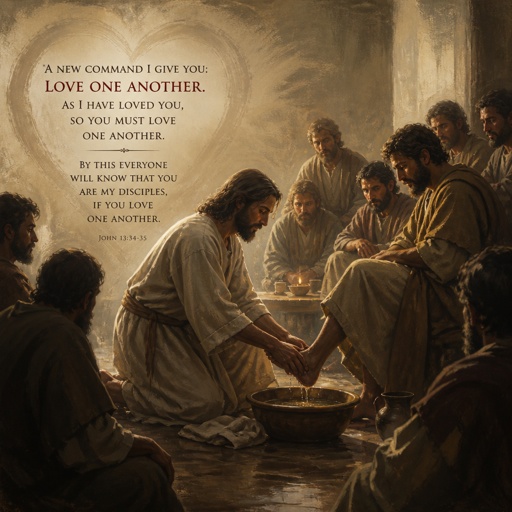
John 13: 34-35

John 10:27 - "My sheep hear my voice, and I know them, and they follow me:"

John 13:4-9

JOHN 6:11-13

John 20:11-13

"They understood not that he spake to them of the Father." - John 8:27

John 15:27 - "And ye also shall bear witness, because ye have been with me from the beginning."

John 5:27 - "And hath given him authority to execute judgment also, because he is the Son of man."

1 John 4:13