United in Glory: The Divine Call to Oneness
“And the glory which thou gavest me I have given them; that they may be one, even as we are one:” — John 17:22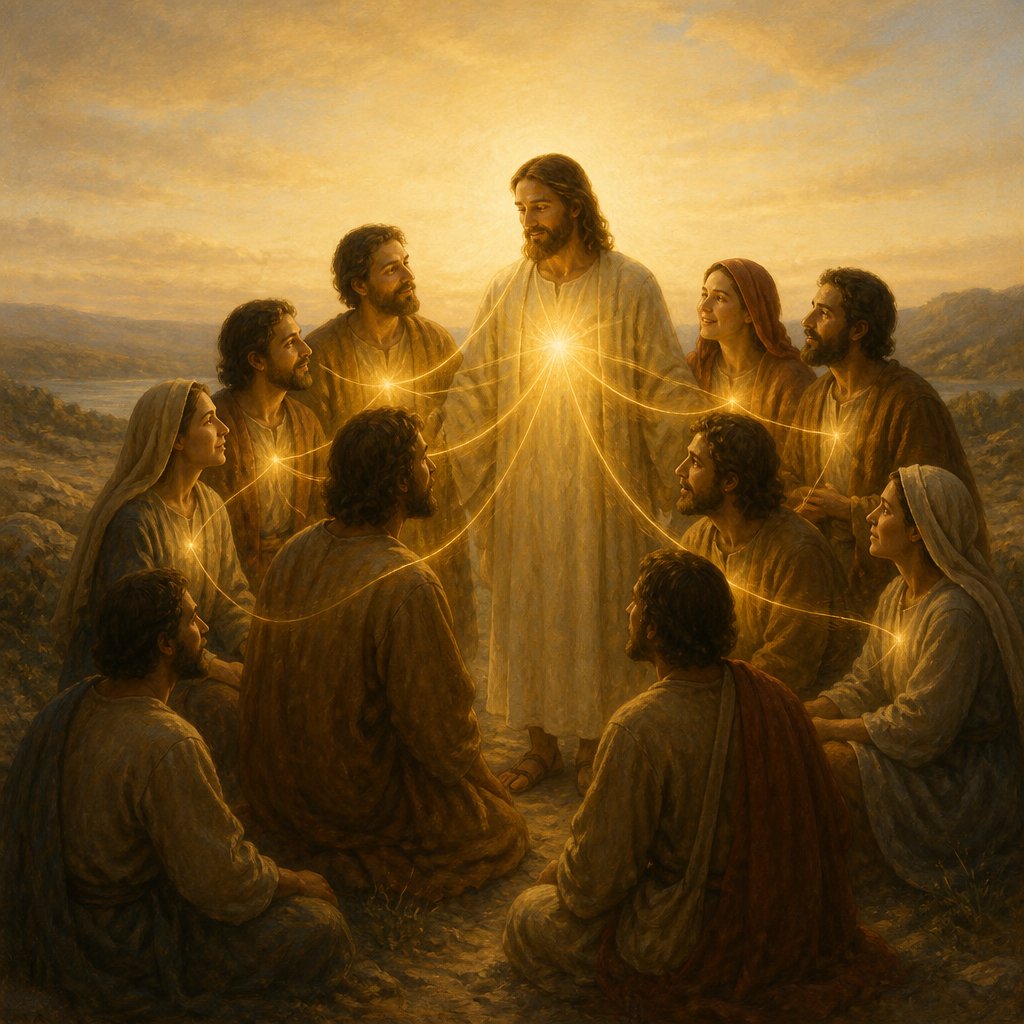
In the sacred text of John 17:22, Jesus expresses a profound truth to His disciples, stating, "And the glory which thou gavest me I have given them; that they may be one, even as we are one." This verse dives deep into the essence of Christian unity and the magnificent glory that flows from the Father to the Son and then to believers, inviting us to explore the radical implications of this gift of glory on our personal lives and the Church as a whole.
The context of this verse is critical. Jesus is praying to the Father, just hours before His crucifixion, encapsulating the heart of His ministry and the unfolding plan of God for humanity. The glory mentioned here is not merely a radiance to be beheld but a divine presence and purpose that transforms. It is the very essence of God’s character—His love, holiness, and truth—that He desires to bestow upon us. To understand this glory, we must reflect on what it means for us as believers.
Firstly, we recognize that this glory is a gift. Jesus, the Son, acknowledges that the glory of His identity and purpose comes directly from the Father. In sharing this glory with us, He is inviting us into a relationship that transcends mere existence; it is an invitation into the divine life. The implications of receiving glory are staggering. It means we are no longer defined by our shortcomings or failures but instead by the righteousness that comes from Christ. In Romans 8:30, Paul echoes this sentiment, stating, "Moreover whom he did predestinate, them he also called: and whom he called, them he also justified: and whom he justified, them he also glorified." We are partakers in God’s glory, charged with reflecting His glory into the world around us.
Next, the purpose of this shared glory is profound: that "they may be one, even as we are one." Here, we see the heart of God revealed in His desire for unity among believers. Unity in Christ does not mean uniformity; rather, it means that our differences—cultural, intellectual, and experiential—can coexist harmoniously under the lordship of Christ. Ephesians 4:3 instructs us to endeavor to keep the unity of the Spirit in the bond of peace. This unity is a testament to the transformative power of the Gospel where barriers of division are dismantled.
As we reflect on our interactions, individually and collectively as the Church, do we embody this unity? Are we seeking common ground, or are we allowing differences to create division? Jesus emphasizes that our oneness reflects the oneness between Him and the Father. When we live in harmony, we shine forth the reality of God's Kingdom, demonstrating the love that Jesus exemplified.
The glory given to us is also a powerful motivator in our mission. In promoting unity, we become living signs of God’s love in a fragmented world. John 13:35 reminds us, "By this shall all men know that ye are my disciples, if ye have love one to another." Our love and unity are the markers of our true discipleship. The world is aching for authentic relationships and love that fosters community. As we share His glory, we display God's character, drawing people to Him through our collective witness.
Ultimately, embracing the glory of God encourages us toward reconciliation and understanding among believers. As we gather in churches, small groups, and families, may we be diligent to reflect on the greatness of God’s glory and pursue a deeper unity. Like the roots of a great tree intertwining beneath the surface, let our lives connect, anchored in the divine purpose He has bestowed upon each of us.
In conclusion, John 17:22 challenges us to live out the truth that we are enveloped in God’s glory, which calls us to love, unity, and mission. May we be conduits of His grace, extending, embracing, and embodying that glory, becoming one as He and the Father are one. As we stand together in unity, the world will catch a glimpse of the divine, a testament of the glorious God we serve.
Get our apps


Artwork for John 17:22

John 17:22 - "And the glory which thou gavest me I have given them; that they may be one, even as we are one:"
"And the glory which thou gavest me I have given them; that they may be one, even as we are one:" - John 17:22

John 7:17-18

John 7:17-18

John 7:17-18

John 7:17-18

John 17:17 - "Sanctify them through thy truth: thy word is truth."

John 1:17

John 21:17

John 1:17

John 1:17

Genesis 17-22

Genesis 22-17

John 10:22 - "¶ And it was at Jerusalem the feast of the dedication, and it was winter."

John 14:16-17

Leviticus 23:17-22

James 1:17-22

John 17:16 - "They are not of the world, even as I am not of the world."

Leviticus 22:17 - "¶ And the LORD spake unto Moses, saying,"

John 13:22 - "Then the disciples looked one on another, doubting of whom he spake."

Ezekiel 22:17 - "And the word of the LORD came unto me, saying,"

2 Samuel 22:17-20

1 John 5:17 - "All unrighteousness is sin: and there is a sin not unto death."

John 5:22 - "For the Father judgeth no man, but hath committed all judgment unto the Son:"

John 19:22 - "Pilate answered, What I have written I have written."
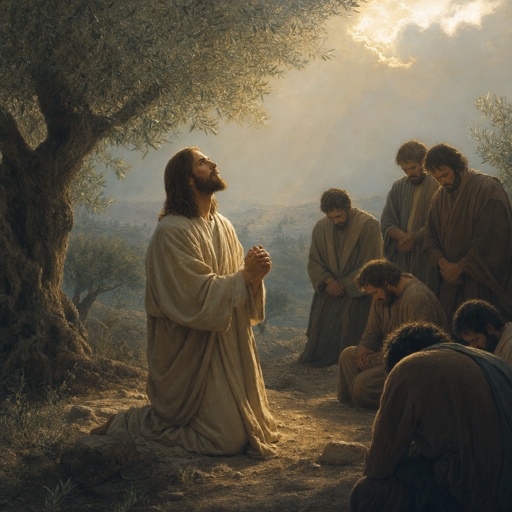
"Sanctify them through thy truth: thy word is truth." - John 17:17

"Sanctify them through thy truth: thy word is truth." - John 17:17
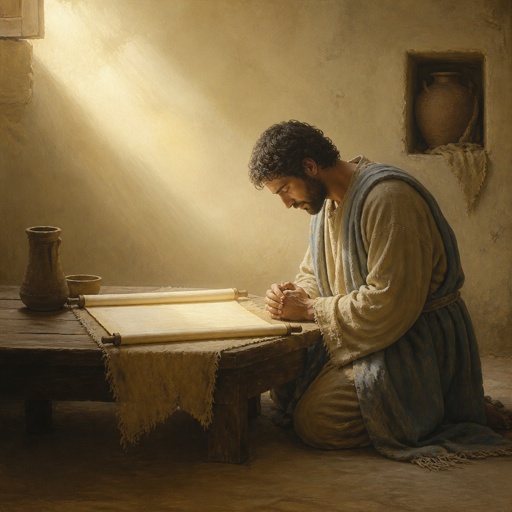
"Sanctify them through thy truth: thy word is truth." - John 17:17

John 15:17 - "These things I command you, that ye love one another."

Matthew 17:13 - "Then the disciples understood that he spake unto them of John the Baptist."