The Cup of Destiny: Embracing God’s Will
“Then said Jesus unto Peter, Put up thy sword into the sheath: the cup which my Father hath given me, shall I not drink it?” — John 18:11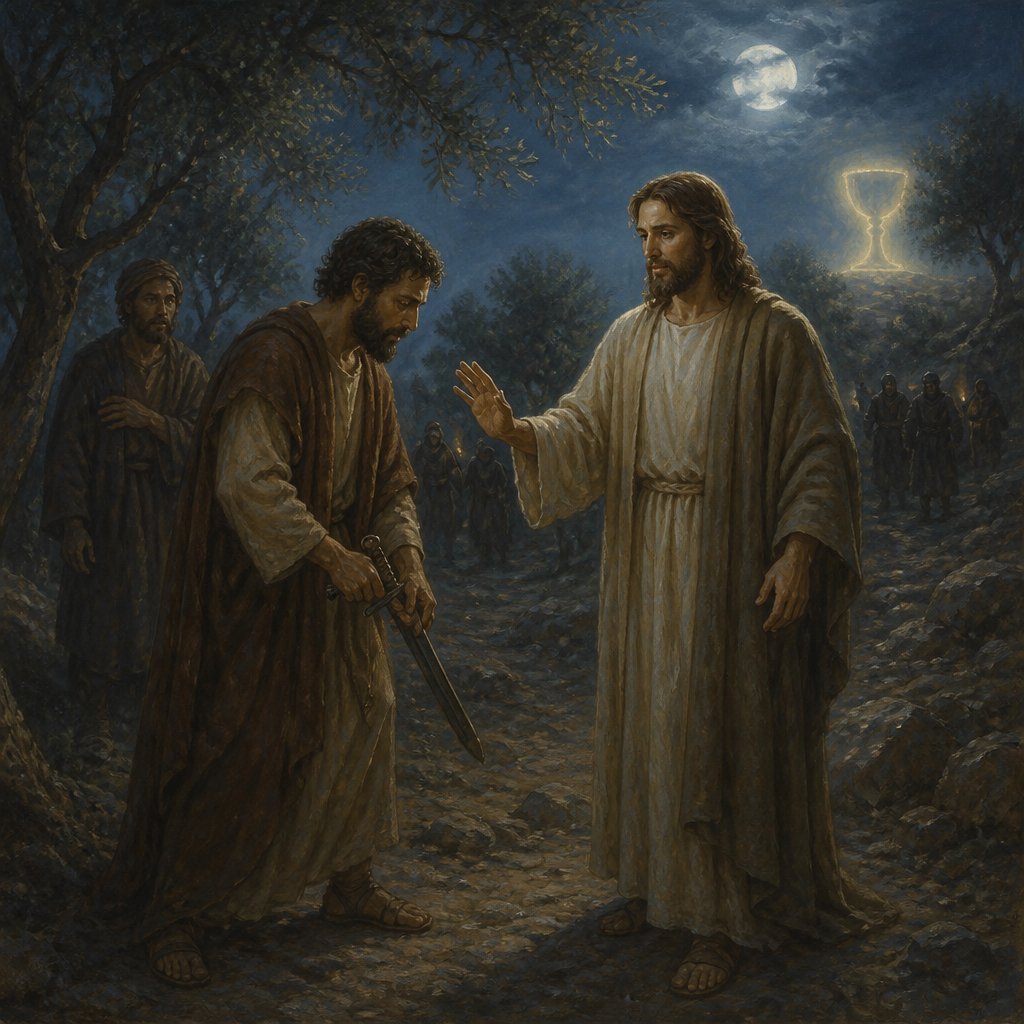
In John 18:11, we find a pivotal moment in the narrative of Jesus’ passion. The verse reads, "Then said Jesus unto Peter, Put up thy sword into the sheath: the cup which my Father hath given me, shall I not drink it?" This statement encapsulates the essence of Jesus' mission and challenges the heart of human struggle against divine purposes. In this devotional, we delve into the implications of Jesus’ words and the invitation for us to respond in faith to God's will, even when it is difficult to understand.
The context of this verse is crucial. Earlier in the chapter, Jesus has been betrayed by Judas Iscariot and arrested by the soldiers. Fear and confusion gripped the disciples, particularly Peter, who impulsively reacted by drawing his sword and striking the high priest's servant, Malchus. In a moment of panic and protectiveness, Peter sought to defend his Lord in the flesh. However, the response of Jesus reveals a profound truth about the kingdom of God.
Jesus, knowing what was to come, did not condone Peter's violence. Instead, He called for peace, reminding Peter that the authority of His mission was rooted not in worldly power but in divine purpose. When Jesus spoke of the cup His Father had given Him, He was referencing the path of suffering that lay ahead—a path that included betrayal, mockery, crucifixion, and death. This cup symbolized the full weight of humanity's sin that Jesus would bear, and His submission to God's will was complete.
In life, we often find ourselves similar to Peter, wielding our own swords—whether they be weapons of anger, frustration, or self-reliance—when faced with trials or challenges. It is human nature to want to fight against the circumstances we perceive as unjust or threatening. However, the lesson from Jesus implores us to put away our swords and to embrace the divine cup. This is not simply a call to resignation but an invitation to trust profoundly in God’s sovereignty.
To drink the cup given by the Father means to accept His will, no matter how harrowing or confusing it may seem. The cup represents not only suffering but also the amazing grace of God’s provision and the love that orchestrates every event in our lives for His glory. Jesus willingly took on that cup, demonstrating perfect obedience, and through His suffering, He paved the way for our redemption.
As we meditate on this truth, we are challenged to reassess our own lives. Are there areas where we are holding onto our swords, resisting the will of God? Perhaps it is in our relationships, career paths, or personal aspirations where we clash with what God is asking of us. Jesus' clear instruction to Peter serves as a reminder that true strength lies in submission—not to our own understanding but to the leading of the Holy Spirit.
Embracing the cup also calls us to be aware of the purpose in our pain. There is comfort in knowing that our trials and sufferings can lead us to a deeper understanding of God’s grace and mercy. As we align ourselves with God’s will, we become instruments of His peace and representatives of His love in a hurting world. Jesus' act of nonviolence in the face of violence transformed Peter's heart and eventually the hearts of many. Our actions in stressful times can likewise influence those around us positively.
To drink from the cup of God's calling is to accept the transformative journey of faith. As we put away our swords, let us drink deeply from the cup of life that God has provided, trusting that He will use even our trials to fulfill His eternal purposes. May our prayers be filled with a willingness to surrender, to understand, and to be shaped into the likeness of Christ, who perfectly modeled obedience and love, even unto the cross.
Get our apps


Artwork for John 18:11

John 18:11 - "Then said Jesus unto Peter, Put up thy sword into the sheath: the cup which my Father hath given me, shall I not drink it?"
"Then said Jesus unto Peter, Put up thy sword into the sheath: the cup which my Father hath given me, shall I not drink it?" - John 18:11

John 11:18 - "Now Bethany was nigh unto Jerusalem, about fifteen furlongs off:"

Matthew 11:18 - "For John came neither eating nor drinking, and they say, He hath a devil."

Matthew 11:18 For John came neither eating nor drinking, and they say, ‘He has a demon.’
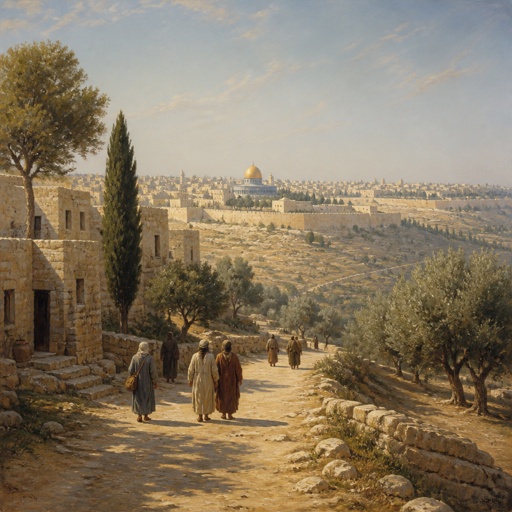
"Now Bethany was nigh unto Jerusalem, about fifteen furlongs off:" - John 11:18

"For John came neither eating nor drinking, and they say, He hath a devil." - Matthew 11:18

John 7:17-18

John 7:17-18

John 7:17-18

John 7:17-18

John 18:25

john 18:36

John (11:35) Jesus wept.

1 tim 1:8

Exodus 27:1-8

1 John 5:18

1 John 4:18

1 John 4:18
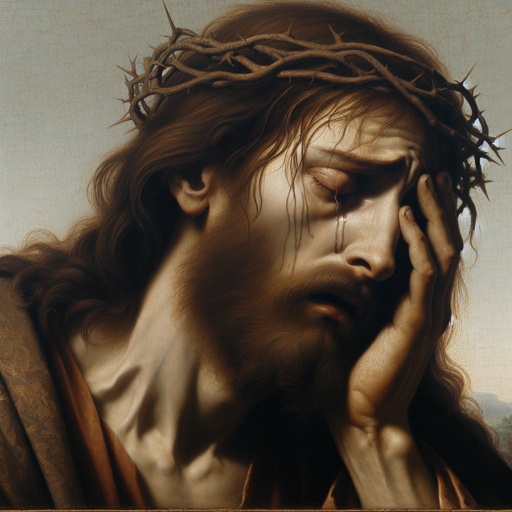
John (11:35) Jesus wept.

John (11:35) Jesus wept.

John 11:35

John 15.1-11

John 11:35

John (11:35) Jesus wept.

John (11:35) Jesus wept.

John (11:35) Jesus wept.

John (11:35) Jesus wept.
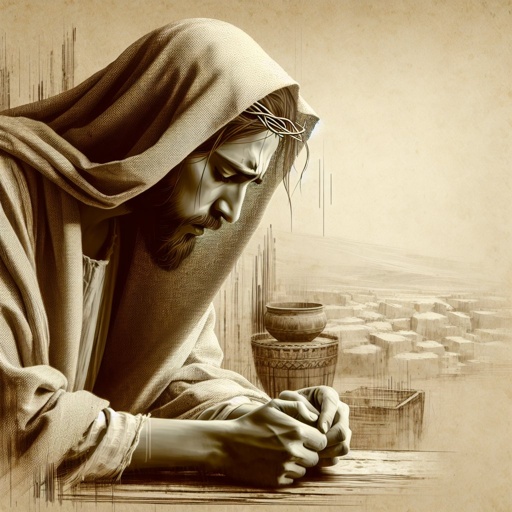
John 11:35 - "Jesus wept."
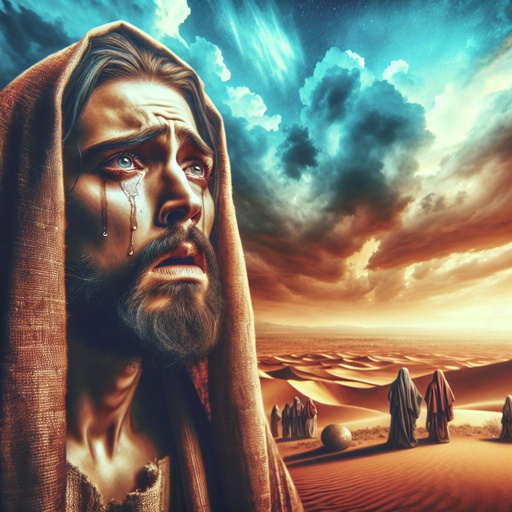
John (11:35) Jesus wept.