The Passover of Judgment: Understanding Divine Sovereignty in Human Betrayal
“Then led they Jesus from Caiaphas unto the hall of judgment: and it was early; and they themselves went not into the judgment hall, lest they should be defiled; but that they might eat the passover. Pilate then went out unto them, and said, What accusation bring ye against this man? They answered and said unto him, If he were not a malefactor, we would not have delivered him up unto thee. Then said Pilate unto them, Take ye him, and judge him according to your law. The Jews therefore said unto him, It is not lawful for us to put any man to death: That the saying of Jesus might be fulfilled, which he spake, signifying what death he should die.” — John 18:28-32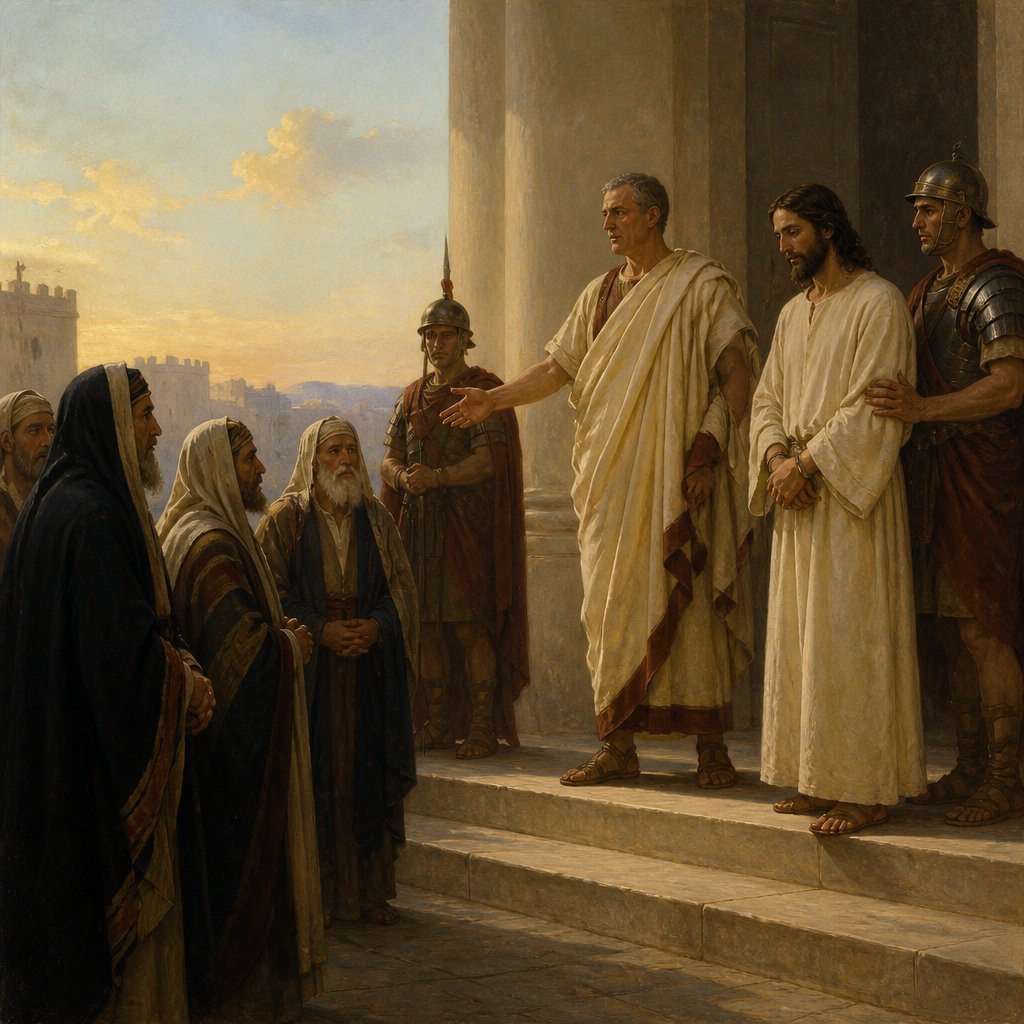
As we gravitate toward one of the most profound moments in history, we find ourselves standing at the judgment hall, where divine purpose clashes with human frailty. John 18:28-32 provides us a poignant depiction of events that unfold as 'Then led they Jesus from Caiaphas unto the hall of judgment: and it was early; and they themselves went not into the judgment hall, lest they should be defiled; but that they might eat the passover. Pilate then went out unto them, and said, What accusation bring ye against this man? They answered and said unto him, If he were not a malefactor, we would not have delivered him up unto thee. Then said Pilate unto them, Take ye him, and judge him according to your law. The Jews therefore said unto him, It is not lawful for us to put any man to death: That the saying of Jesus might be fulfilled, which he spake, signifying what death he should die.'
This passage portrays an irony that is breathtakingly somber. On one hand, we have the religious leaders of Israel, steadfast in their ritualistic observance of the Passover. They are prepared to sacrifice an innocent life to maintain their ceremonial purity. The contradiction is stark: in their zealousness to avoid defilement—which would prevent them from partaking in the sacred feast—they exhibit moral decay by condemning the purest among them, Jesus Christ, the Lamb without blemish.
In this moment, we see the intertwining of human customs and divine prophecy. The leaders' refusal to enter the judgment hall reflects a deep-rooted tradition; yet, it also exposes their hypocrisy. They are unwilling to enter a Gentile space to avoid ceremonial impurity, yet they are ready to conspire together to kill the Son of God. This stark contradiction serves as a reminder of the dangers of ritualism devoid of true devotion.
Understanding the gravity of Pilate's role also sheds light on God's sovereignty. Pilate serves as both a reluctant judge and a pawnbroker of fate. 'What accusation bring ye against this man?' he asks—indicating his perplexity over the actions of the religious leaders. They take a defensive stance, hinting at their ritualistic adherence by claiming that if Jesus were not dangerous, he would not be delivered to Pilate. Here lies the tension between Pilate's recognition of Jesus' innocence and the relentless pursuit of the leaders to condemn Him.
Further, Pilate's suggestion for them to judge Jesus according to their law exposes a deeper truth: the admission that they are constrained by their own legal limitations. The Jews' response, 'It is not lawful for us to put any man to death,' draws attention to their desire for Roman authority to carry out their deadly intent. This moment signifies the fulfillment of Jesus' prophetic words regarding His impending death upon the cross, a death that was not to be decreed according to the Jewish law but rather through Roman execution.
Jesus' journey to the cross was not merely an act of martyrdom; it was the unfolding of God's eternal plan for redemption. Each figure in this narrative—Jesus, Caiaphas, Pilate, and the Jewish leaders—were all players in a divine purpose that transcended their immediate actions. Their intentions, while rooted in human choices, ultimately aligned with God's prophecy.
As we meditate upon this text, there are many lessons to glean. We are reminded to examine our own hearts for inconsistencies, where adherence to tradition may overshadow our commitment to righteousness and truth. Additionally, we are urged to acknowledge the complexities of God's sovereignty and human agency at work in our lives, understanding that even amidst betrayal and judgment, God orchestrates His purposes. In a world often ruled by chaos and injustice, we find solace in the truth that God is at work, bringing about the fulfillment of His promises, even when it appears that all is lost.
May our lives stand as a testament to His grace and truth, reflecting a true understanding of the sacrifice made for us, which transcended the confines of human law and the depths of betrayal.
Get our apps


Artwork for John 18:28-32
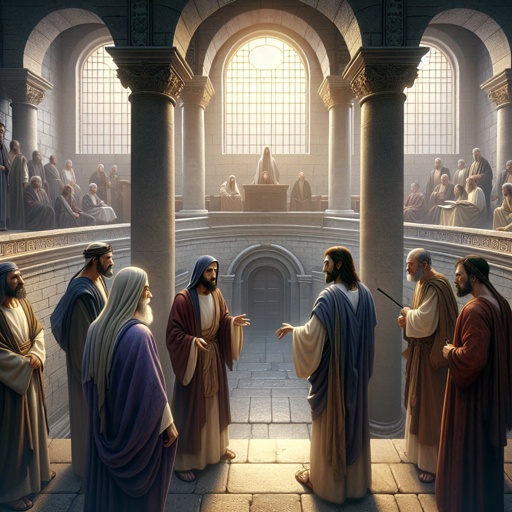
John 18:28-32 - "Then led they Jesus from Caiaphas unto the hall of judgment: and it was early; and they themselves went not into the judgment hall, lest they should be defiled; but that they might eat the passover. Pilate then went out unto them, and said, What accusation bring ye against this man? They answered and said unto him, If he were not a malefactor, we would not have delivered him up unto thee. Then said Pilate unto them, Take ye him, and judge him according to your law. The Jews therefore said unto him, It is not lawful for us to put any man to death: That the saying of Jesus might be fulfilled, which he spake, signifying what death he should die."
"Then led they Jesus from Caiaphas unto the hall of judgment: and it was early; and they themselves went not into the judgment hall, lest they should be defiled; but that they might eat the passover. Pilate then went out unto them, and said, What accusation bring ye against this man? They answered and said unto him, If he were not a malefactor, we would not have delivered him up unto thee. Then said Pilate unto them, Take ye him, and judge him according to your law. The Jews therefore said unto him, It is not lawful for us to put any man to death: That the saying of Jesus might be fulfilled, which he spake, signifying what death he should die." - John 18:28-32

John 18:32 - "That the saying of Jesus might be fulfilled, which he spake, signifying what death he should die."

John 18:28 - "¶ Then led they Jesus from Caiaphas unto the hall of judgment: and it was early; and they themselves went not into the judgment hall, lest they should be defiled; but that they might eat the passover."

Exodus 32:28
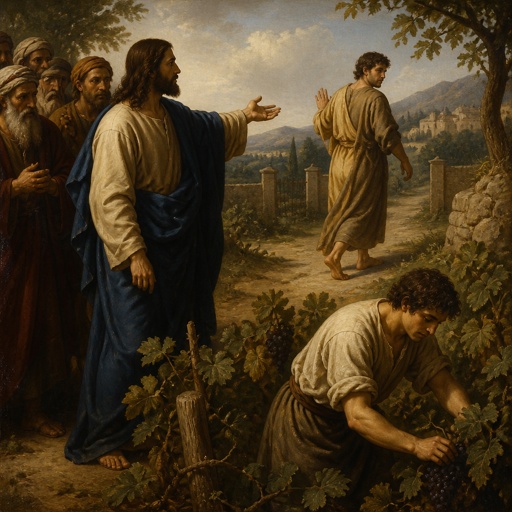
Matthew 21:28-32
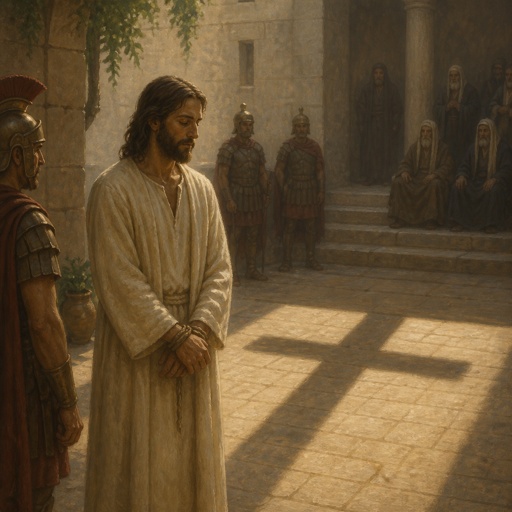
"That the saying of Jesus might be fulfilled, which he spake, signifying what death he should die." - John 18:32

Jeremiah 32:18

Genesis 18-32

Deuteronomy 32:28 - "For they are a nation void of counsel, neither is there any understanding in them."
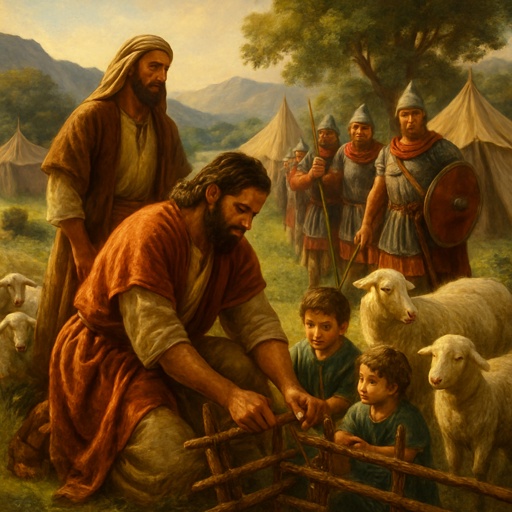
Numbers 32:16-18
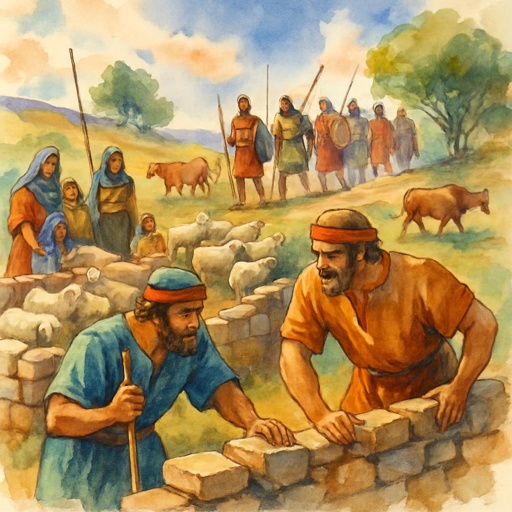
Numbers 32:16-18

John 5:28

John 14:28

John 5:28

John 5:28

John 1:28 - "These things were done in Bethabara beyond Jordan, where John was baptizing."

John 1:32 - "And John bare record, saying, I saw the Spirit descending from heaven like a dove, and it abode upon him."

Genesis 18-28

Genesis 28:18

Genesis 28:18

John 8:32 - "And ye shall know the truth, and the truth shall make you free."

John 7:17-18

John 7:17-18

Exodus 32:28 - "And the children of Levi did according to the word of Moses: and there fell of the people that day about three thousand men."

2 Chronicles 32:28 - "Storehouses also for the increase of corn, and wine, and oil; and stalls for all manner of beasts, and cotes for flocks."

John 4:32 - "But he said unto them, I have meat to eat that ye know not of."

Psalms 18:32 - "It is God that girdeth me with strength, and maketh my way perfect."

John 7:17-18

John 7:17-18