The Finality of Truth: Embracing the Certainty of God's Word
“Pilate answered, What I have written I have written.” — John 19:22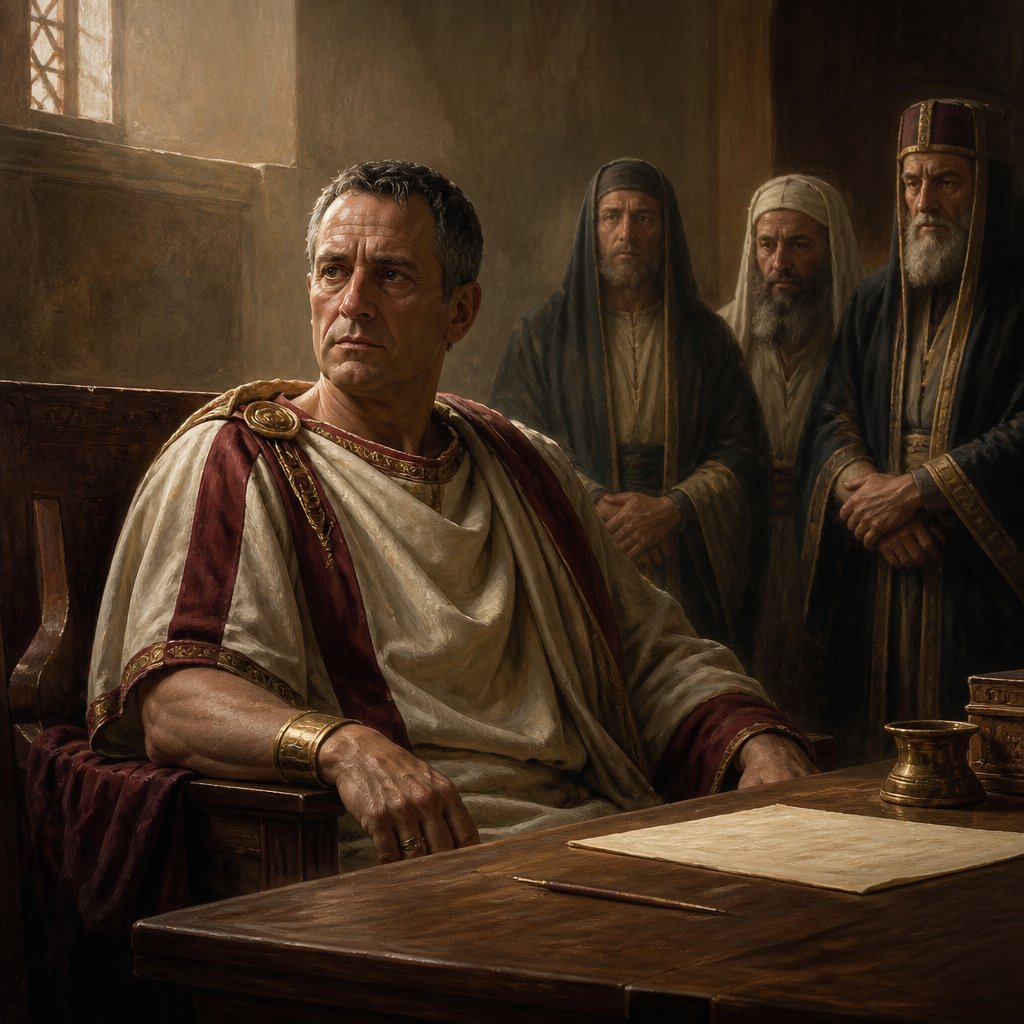
In the poignant moment of the crucifixion, as Jesus hangs on the cross, a sign is nailed above Him carrying the inscription, "Jesus of Nazareth, the King of the Jews" (John 19:19). This sign was not merely a label but a proclamation of His identity, leaving no room for ambiguity. When Pilate, the Roman governor, responds with the words, "What I have written I have written" (John 19:22), he unknowingly embodies a profound truth that echoes through the corridors of time—the finality of truth.
This declaration by Pilate is rich with implications, not just in the immediate context of the Roman judicial system but in the grand narrative of God's plan for redemption. In a world that often feels chaotic and uncertain, Pilate's words remind us of the permanence of certain truths, particularly those found within God's Word.
The statement "What I have written I have written" signifies a resolute conviction. Pilate stands firm, despite the insistence of the Jewish leaders who sought to amend the inscription. They desired to modify the sign, arguing that it should state, "He said, I am King of the Jews" (John 19:21). Pilate’s refusal underscores a fundamental aspect of leadership and integrity: once a decision has been made, particularly in the context of truth, it must be followed through. We observe here a powerful lesson in the weight of our words and actions, especially when they bear the significance of God’s will.
Truth, much like the inscription above the head of Christ, is often unyielding. In an age where relativism permeates our culture—where truth is seen as subjective and changeable—believers are called to hold fast to the everlasting Word of God. "The grass withereth, the flower fadeth; but the word of our God shall stand forever" (Isaiah 40:8, KJV). In an eternal sense, what God has declared in the scriptures is unchangeable, fixed for all time. His promises, His commandments, and His declarations carry the weight of Heaven and should be followed with unwavering belief.
Consider the nature of Pilate's position. As he dealt with the pressures of governance, the manipulations of the Jewish elite, and the crowds calling for Jesus’ crucifixion, he represented the world's constant battle between truth and the desire to conform to public opinion. Believers today often face similar pressures in modern society—where standing firm in one's faith can lead to social ostracism, misunderstandings, or even persecution. Just as Christ bore His cross, we too must be prepared to carry our burdens with the assurance that God’s truth will ultimately prevail.
When we encounter challenges to our faith or when the world around us boldly rejects the truths we hold dear, we take comfort in Pilate's resolute statement. It serves as a reminder that the truth of Jesus’s lordship—and the salvation He offers—is not contingent upon human approval or alteration. Each believer has the innate responsibility to stand by the proclamations of God, saying in essence, "What I have believed, I have believed."
In the face of life's uncertainties, we can find solace in knowing that God’s Word does not waver. The truths encapsulated within the pages of scripture remain steadfast, calling us to a deeper understanding and relationship with Christ the King. As we navigate the complexities of life, may we, like Pilate, recognize the power of our declarations and find strength in the unalterable truth of God’s salvation plan, realizing with each step that what God has stated, He has stated eternally.
Get our apps


Artwork for John 19:22

John 19:22 - "Pilate answered, What I have written I have written."
"Pilate answered, What I have written I have written." - John 19:22

John 19:38

John 19:1

John 19:19 - "¶ And Pilate wrote a title, and put it on the cross. And the writing was, JESUS OF NAZARETH THE KING OF THE JEWS."

John 17.6-19

Genesis 22:19

Genesis 19-22

John 19:1-3

John 19:25-27

John 10:22 - "¶ And it was at Jerusalem the feast of the dedication, and it was winter."

John 1:19 - "¶ And this is the record of John, when the Jews sent priests and Levites from Jerusalem to ask him, Who art thou?"

John 19:25-27

John 19:26-27

John 21:15-19

1 kings 22:19

John 10:19 - "¶ There was a division therefore again among the Jews for these sayings."

John 19:1 - "Then Pilate therefore took Jesus, and scourged him."

John 13:22 - "Then the disciples looked one on another, doubting of whom he spake."
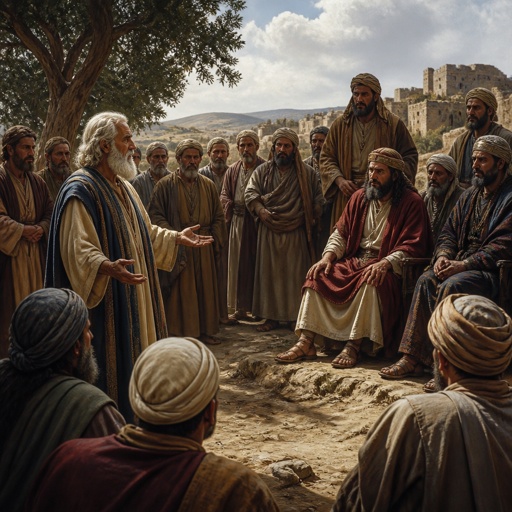
1 Samuel 8:19-22
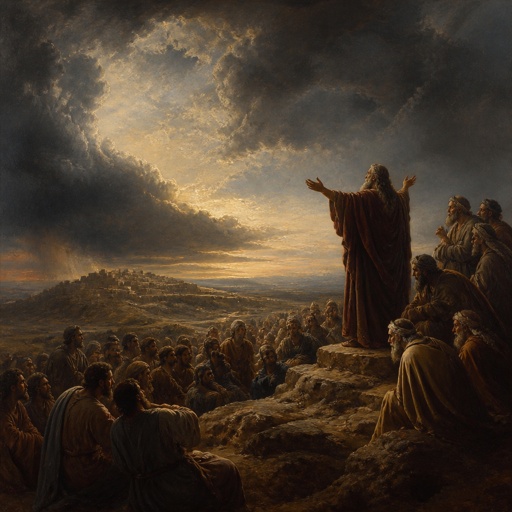
1 Samuel 8:19-22
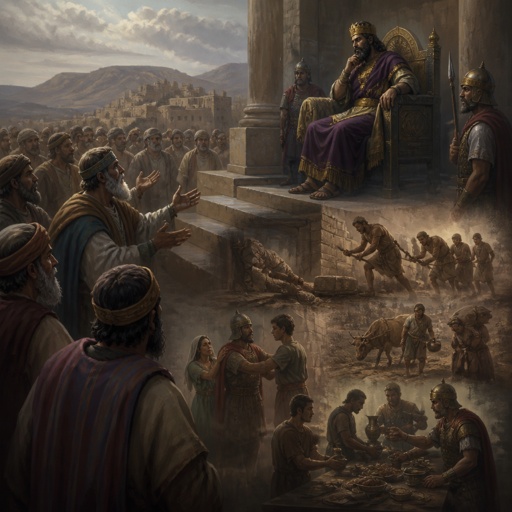
1 Samuel 8:19-22

John 19:25-27 with emphasis on Mary

John 19:3 - "And said, Hail, King of the Jews! and they smote him with their hands."

Exodus 22:19 - "¶ Whosoever lieth with a beast shall surely be put to death."

Job 22:19 - "The righteous see it, and are glad: and the innocent laugh them to scorn."

John 5:22 - "For the Father judgeth no man, but hath committed all judgment unto the Son:"

John 2:19-22 - "Jesus answered them, “Destroy this temple, and I will raise it again in three days.” They replied, “It has taken forty-six years to build this temple, and you are going to raise it in three days?” But the temple he had spoken of was his body. After he was raised from the dead, his disciples recalled what he had said. Then they believed the scripture and the words that Jesus had spoken."

1 John 4:19 - "We love him, because he first loved us."

1 John 5:19 - "And we know that we are of God, and the whole world lieth in wickedness."