The Garden of Redemption: Unfolding Hope from the Sepulchre
“Now in the place where he was crucified there was a garden; and in the garden a new sepulchre, wherein was never man yet laid.” — John 19:41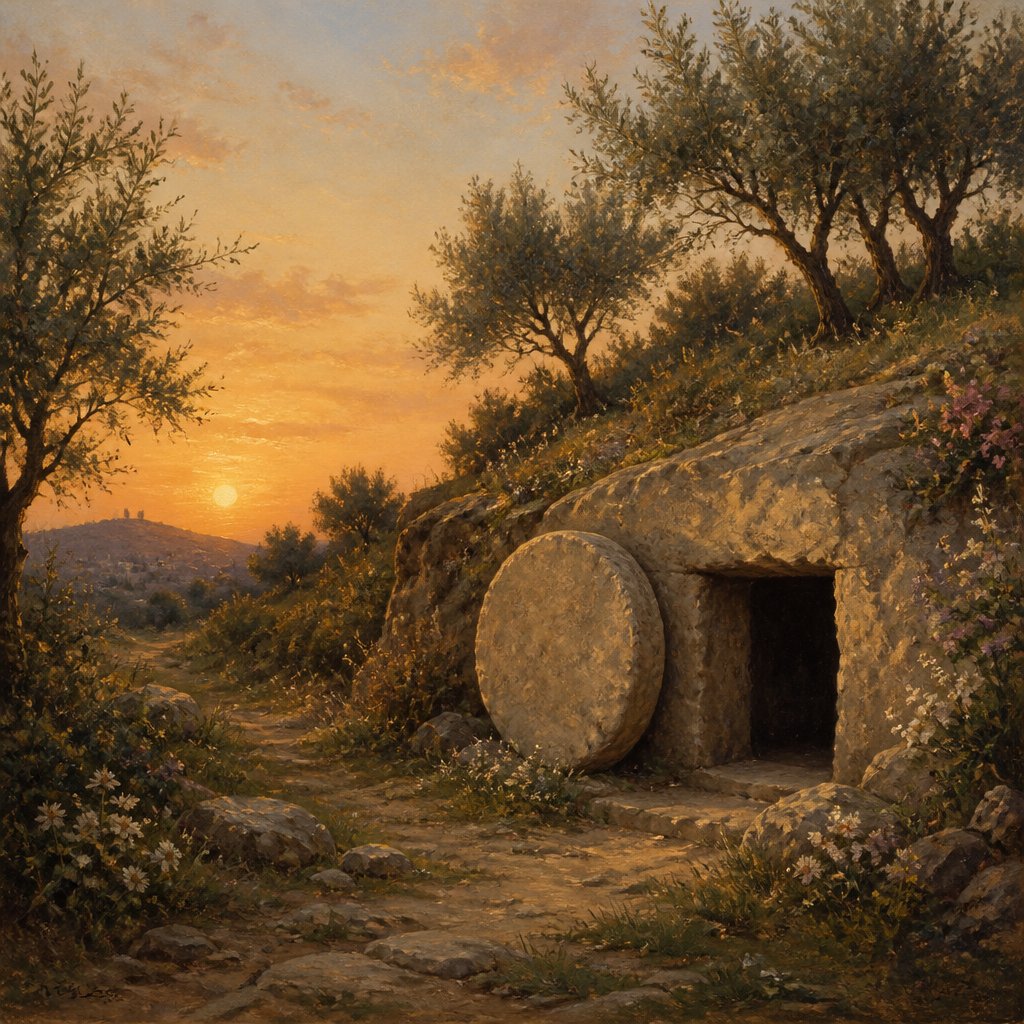
In John 19:41 (KJV), we read, "Now in the place where he was crucified there was a garden; and in the garden a new sepulchre, wherein was never man yet laid." This verse, nestled quietly in the narrative of the crucifixion, may seem like an insignificant detail; however, it holds profound significance concerning the hope, transition, and new life brought about by Jesus’ sacrifice and resurrection.
As we contemplate the setting of the crucifixion—an agonizing event marked by suffering and despair—we also find a garden. This juxtaposition is striking. Gardens, often symbols of life, beauty, and new beginnings, remind us of God’s original creation when everything was perfect. Genesis speaks of a garden, Eden, where sin first entered the world, corrupting the blissful relationship between God and humanity.
Now, at the foot of Golgotha, we find a garden where, paradoxically, the life of the world hangs on a cross. Here, in the shadow of despair, hope begins to unfurl. It is crucial to understand that John's gospel is not just a historical account; it is laden with theological depths. The presence of the garden near the place of Jesus’ crucifixion beckons us to see God's craftsmanship at work in the arresting narrative of redemption.
The sepulchre mentioned is described as "new," suggesting that it had not been tainted by death prior to Jesus. This is significant. Just as Jesus was sinless, untouched by the corruption of sin, so too was this sepulchre—a vessel prepared for something glorious and life-transforming. It’s in that sepulchre that the greatest miracle was about to unfold: the resurrection. Deadness would not have the final word; life would emerge from the darkness. Through this, we witness God's theme of restoration throughout Scripture.
The garden and sepulchre present us with a pivotal moment in history where death and life intersect. In our lives, we often experience our own personal gardens of Gethsemane, bearing the brunt of our struggles, fears, and heartaches. In those moments, we may feel like we are standing at a stark sepulchre, gazing into a grave marked with our failures, losses, and the weight of our sin.
Yet, like that sepulchre was new and pure, so too can be our lives through Christ. His crucifixion opens the door to redemption and releases us from the chains of sin. The implication of Jesus’ death and resurrection is that just as He was raised from the dead, so too do we receive the promise of new life in Him (John 11:25). This hope extends beyond physical death into a resurrected life now, here on Earth, where we can experience His grace, love, and renewal.
As we reflect on John 19:41, we are reminded not only of Christ's sacrifice but also of the incredible news that the story doesn’t end in sorrow but leads to resurrection. The garden represents a new beginning; it mirrors the promise found throughout Scripture that God is always working effectively to restore and redeem. Just as Jesus emerged from the grave alive and victorious, we too are invited into a relationship where we continually shed our old selves and step into the new creation He makes available to us.
In our spiritual journey, let us embrace the gardens that come after crucifixions—the moments when God brings life out of death, hope out of despair. May we be steadfast in recognizing that even in the darkest of times, God is preparing something beautiful, much like that garden awaits the resurrection's power. The sepulchre is not merely a grave; it is the starting point of our eternal hope. Let us rejoice in the depths of what the garden and the sepulchre signify: the profound victory we have in Christ.
Get our apps


Artwork for John 19:41

John 19:41 - "Now in the place where he was crucified there was a garden; and in the garden a new sepulchre, wherein was never man yet laid."
"Now in the place where he was crucified there was a garden; and in the garden a new sepulchre, wherein was never man yet laid." - John 19:41

Isaiah 41, 19

John 10:41 - "And many resorted unto him, and said, John did no miracle: but all things that John spake of this man were true."

John 9:1-41

John 5:41 - "I receive not honour from men."

John 4:41 - "And many more believed because of his own word;"

Joshua 19:41 - "And the coast of their inheritance was Zorah, and Eshtaol, and Ir-shemesh,"

Mark 10:41 - "And when the ten heard it, they began to be much displeased with James and John."

Acts 19:41 - "And when he had thus spoken, he dismissed the assembly."

John 7:41 - "Others said, This is the Christ. But some said, Shall Christ come out of Galilee?"

Luke 19:41 - "¶ And when he was come near, he beheld the city, and wept over it,"

John 12:41 - "These things said Esaias, when he saw his glory, and spake of him."
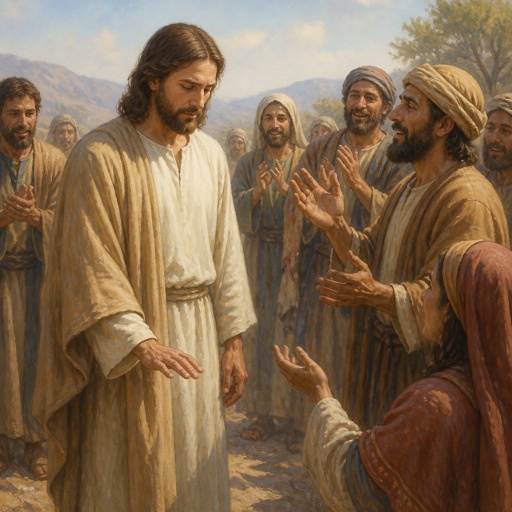
"I receive not honour from men." - John 5:41

Job 41:19 - "Out of his mouth go burning lamps, and sparks of fire leap out."

John 6:41 - "The Jews then murmured at him, because he said, I am the bread which came down from heaven."

"And many resorted unto him, and said, John did no miracle: but all things that John spake of this man were true." - John 10:41
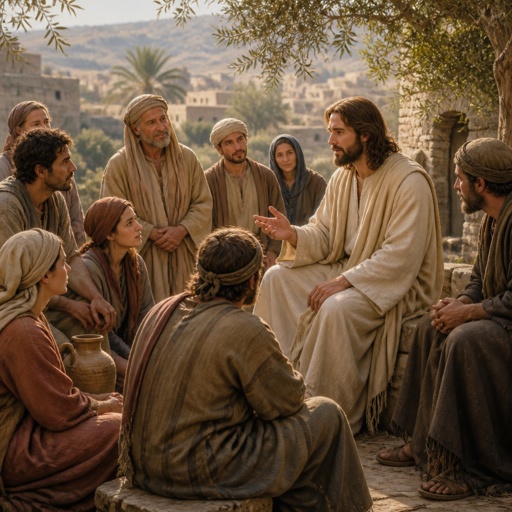
"And many more believed because of his own word;" - John 4:41

"And the coast of their inheritance was Zorah, and Eshtaol, and Ir-shemesh," - Joshua 19:41

John 19:38

John 19:1

John 8:41 - "Ye do the deeds of your father. Then said they to him, We be not born of fornication; we have one Father, even God."

John 19:19 - "¶ And Pilate wrote a title, and put it on the cross. And the writing was, JESUS OF NAZARETH THE KING OF THE JEWS."

John 17.6-19

"And when the ten heard it, they began to be much displeased with James and John." - Mark 10:41

John 1:41 - "He first findeth his own brother Simon, and saith unto him, We have found the Messias, which is, being interpreted, the Christ."

John 19:1-3

John 19:25-27

Isaiah 41:19 - "I will plant in the wilderness the cedar, the shittah tree, and the myrtle, and the oil tree; I will set in the desert the fir tree, and the pine, and the box tree together:"

John 9:41 - "Jesus said unto them, If ye were blind, ye should have no sin: but now ye say, We see; therefore your sin remaineth."