The Silence of Innocence: Reflections on John 19:6
“When the chief priests therefore and officers saw him, they cried out, saying, Crucify him, crucify him. Pilate saith unto them, Take ye him, and crucify him: for I find no fault in him.” — John 19:6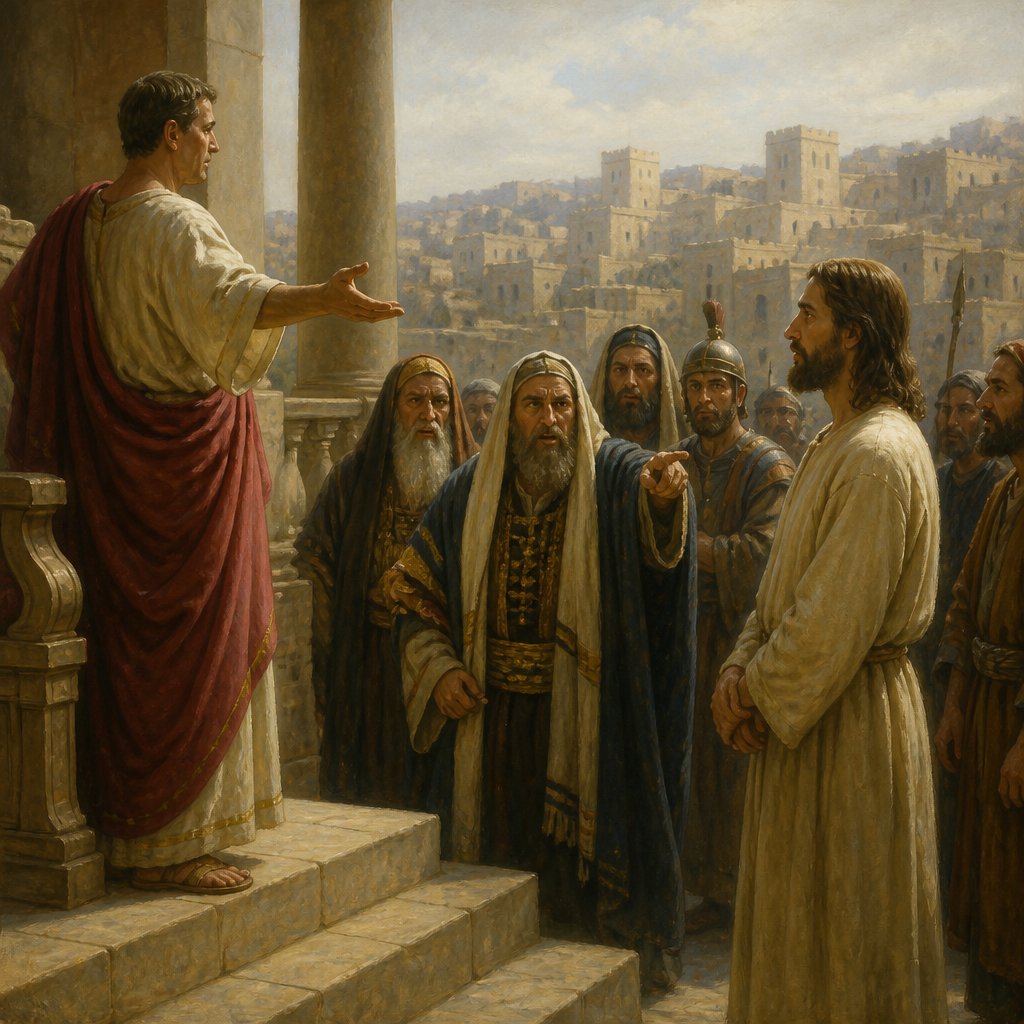
In the account of John 19:6, we find a poignant moment in the trial of Jesus: "When the chief priests therefore and officers saw him, they cried out, saying, Crucify him, crucify him. Pilate saith unto them, Take ye him, and crucify him: for I find no fault in him." This deep moment in scripture offers layers of insight into the nature of humanity, the weight of innocence, and the heart of God.
As we step into the narrative, we notice the stark juxtaposition between the cries of the crowd and Pilate's unequivocal declaration of Jesus' innocence. The tumultuous cries of “Crucify him” are not simply words; they represent the collective will of a group driven by fear, envy, and a misunderstanding of the very nature of Jesus himself. The religious leaders, threatened by His teaching and the authority He wielded, chose to sacrifice the truth for the sake of their own power and control.
Pilate, the Roman governor, is caught in this tumult. His response, "I find no fault in him," echoes like a haunting refrain—a recognition that he was presiding over the trial of an innocent man. This statement stands out starkly when placed against the cacophony of voices that clamored for blood. It serves as a reminder of the peril of succumbing to societal pressures, where the truth can be drowned out by the loudness of the masses.
In today’s world, we often find ourselves in situations where we are pressured to conform to the prevailing attitudes or behaviors around us, even when they are in opposition to what we know is right. Just as Pilate stood on the cusp of judgment, we must ask ourselves: will we stand firm in our convictions, even when they seem unpopular?
Moreover, this passage beckons a deeper examination of the human heart. The chief priests and officers, men of supposed faith, demonstrated how easily bitterness and jealousy can lead to the distortion of justice. They crucified Jesus not merely on a physical level but executed His character through lies and slander. This reflection introduces a vital lesson for us—how often do we allow our feelings to cloud our judgment? Do we, in our hearts, give in to the temptation to misconstrue others' actions without searching for the truth?
This biblical moment also highlights the divine aspect of Jesus’ ordeal. The innocence of the Lamb was being led to slaughter. Throughout the New Testament, we are reminded of the sacrificial nature of Jesus’ mission—He came to die for our sins, to bear the weight of our transgressions. The fact that He stood before His accusers, silent in the face of injustice, brings forth the theme of love that permeates the Gospel. His response to all of this was not one of defiance or indignation but a quiet submission to the will of the Father. In our own lives, when we face trials or slander, do we emulate Christ by responding with grace and humility, trusting God’s ultimate plan?
As we meditate on John 19:6, let us not overlook the call it places on our lives. We are reminded that true strength often lies in vulnerability. We learn the importance of recognizing and speaking out against injustice when we see it. Most importantly, we are pointed toward the unwavering love of Jesus—one that bore the cross and endured rejection so that we might be redeemed. Our prayers should resonate with a desire for the courage to stand up for truth and a willingness to accept the trials that follow, much like our Savior did.
In conclusion, let John 19:6 reverberate in our hearts, compelling us to reflect on how we may sometimes allow the noise of the masses to influence our beliefs and actions. May it inspire us in moments of choice, leading us to follow the example of Jesus, responding with an unwavering conviction rooted in love and truth.
Get our apps


Artwork for John 19:6

John 19:6 - "When the chief priests therefore and officers saw him, they cried out, saying, Crucify him, crucify him. Pilate saith unto them, Take ye him, and crucify him: for I find no fault in him."
"When the chief priests therefore and officers saw him, they cried out, saying, Crucify him, crucify him. Pilate saith unto them, Take ye him, and crucify him: for I find no fault in him." - John 19:6

"So when they had rowed about five and twenty or thirty furlongs, they see Jesus walking on the sea, and drawing nigh unto the ship: and they were afraid." - John 6:19

John 6:19 - "So when they had rowed about five and twenty or thirty furlongs, they see Jesus walking on the sea, and drawing nigh unto the ship: and they were afraid."

John 19:38

John 19:1

John 19:19 - "¶ And Pilate wrote a title, and put it on the cross. And the writing was, JESUS OF NAZARETH THE KING OF THE JEWS."

John 17.6-19

John 19:1-3

John 19:25-27

John 1:6 - "¶ There was a man sent from God, whose name was John."

John 6:63

John 6:63

John 1:19 - "¶ And this is the record of John, when the Jews sent priests and Levites from Jerusalem to ask him, Who art thou?"

John 19:25-27

John 19:26-27

John 21:15-19

John 6:63

John 6:63

John 10:19 - "¶ There was a division therefore again among the Jews for these sayings."
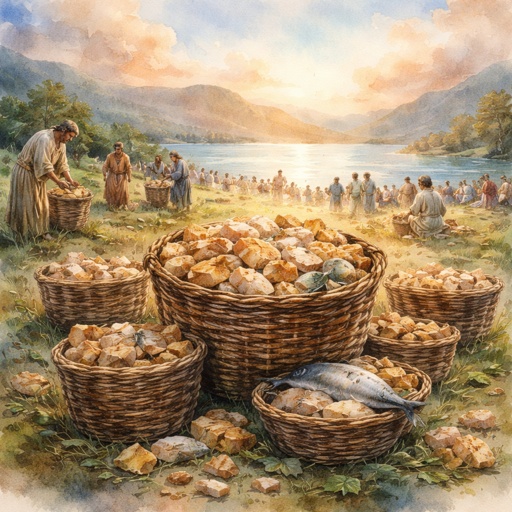
John 6:12

John 6:40

John 21:6

John 14:6

John 19:1 - "Then Pilate therefore took Jesus, and scourged him."

John 21:6

John 6:16

John 6:37

John 21:6

John 6:40