The Fear of Influence: A Study of John 19:12
“And from thenceforth Pilate sought to release him: but the Jews cried out, saying, If thou let this man go, thou art not Cæsar’s friend: whosoever maketh himself a king speaketh against Cæsar.” — John 19:12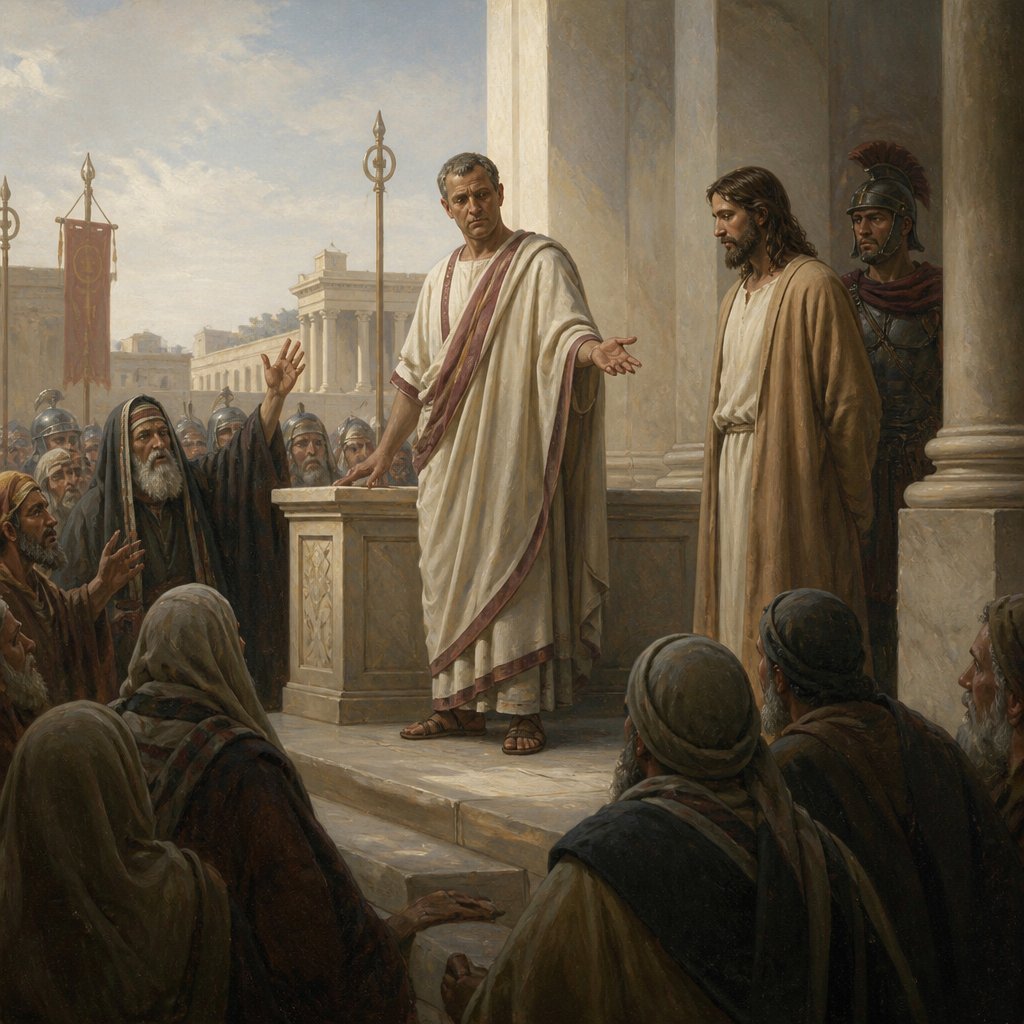
In John 19:12, we encounter a pivotal moment in the trial of Jesus: "And from thenceforth Pilate sought to release him: but the Jews cried out, saying, If thou let this man go, thou art not Caesar's friend: whosoever maketh himself a king speaketh against Caesar." This verse reveals the complexity of political and spiritual authority and the weight of social influence on decision-making.
Pontius Pilate, the Roman governor, found himself in a predicament that many of us can associate with: a struggle between his personal convictions and the pressure to conform to the expectations of others. Pilate's conscience was stirred; he sought to release Jesus, whom he deemed innocent, but the voices of the Jewish leaders drowned out his inner voice of reason. Their threat, tethered to his allegiance with Caesar, struck a chord in a man who understood the precarious balance of power and fidelity.
The phrase "thou art not Caesar's friend" is a powerful reminder of political loyalty. In Pilate's world, friendship with Caesar was not merely a matter of personal regard but a one-way ticket to powerful positions and favorable judgments. This line carried a weight that curdled Pilate's resolve, turning his desire to release Jesus into the fear of losing his status and position. It reflects the troubling reality that fear of losing approval or influence can lead us to compromise our beliefs and convictions.
The Jewish leaders effectively weaponized Pilate's fear, using it to manipulate his decision-making process. They painted Jesus as a threat to the Roman Empire, inciting fear of rebellion among the populace. In various situations of our lives, the fear of social rejection, political loss, or relational discord can paralyze us and lead us to actions we know may be against our own principles.
We must confront our own susceptibility: how often do we forsake our beliefs due to the influence of our social circles or authority figures? How often do we conform to societal pressures, knowing full well that a line has been crossed where we must stand firm? Pilate represents a common struggle, one that illustrates the importance of seeking our strength not in our social standings but in fidelity to what is good and just in the eyes of God.
Christ’s silence amidst the crowd’s clamor serves as a remarkable contrast to Pilate’s turmoil. Here is Jesus, who embodies ultimate truth and authority, standing before Pilate, the embodiment of worldly power, and yet it is the fears of the world that lead to a grave injustice. Pilate’s wavering ultimately results in the crucifixion of Jesus, showcasing the severe consequences of capitulating to unhealthy influences.
As followers of Christ, we are called to acknowledge that we reside in a world full of pressures, manipulative tactics, and fear-inducing circumstances, yet we have a Savior who encourages us to stand boldly in truth. The Apostle Paul reminds us in Galatians 1:10, "For do I now persuade men, or God? or do I seek to please men? for if I yet pleased men, I should not be the servant of Christ." Standing for Christ may mean standing against the tide of public opinion, and we must remember that at times our choices may lead to isolation or confrontation.
In faith, let us strive to seek internal integrity over external approval. Let us learn from Pilate’s example, not to allow fear to dictate our decisions but rather to stand firm upon the truths of God’s Word. When faced with the pressures of this world, let us be reminded of the call to be a friend of God rather than seek the fleeting favor of men, choosing to align ourselves with the values of God’s kingdom above all.
This week, reflect on where you might be compromising your beliefs due to fear or societal influence. Commit to seeking God’s wisdom and strength to remain steadfast in your faith, remembering that true friendship with God supersedes all other allegiances.
Get our apps


Artwork for John 19:12

John 19:12 - "And from thenceforth Pilate sought to release him: but the Jews cried out, saying, If thou let this man go, thou art not Caesar's friend: whosoever maketh himself a king speaketh against Caesar."

John 19:12-13 - "From then on, Pilate tried to release him, but the Jews cried out, "If you let this man go, you are no friend of Caesar. Anyone who claims to be a king opposes Caesar." When Pilate heard this, he brought Jesus out and sat down on the judge's seat at a place known as the Stone Pavement (which in Aramaic is Gabbatha)."
"And from thenceforth Pilate sought to release him: but the Jews cried out, saying, If thou let this man go, thou art not Caesar's friend: whosoever maketh himself a king speaketh against Caesar." - John 19:12
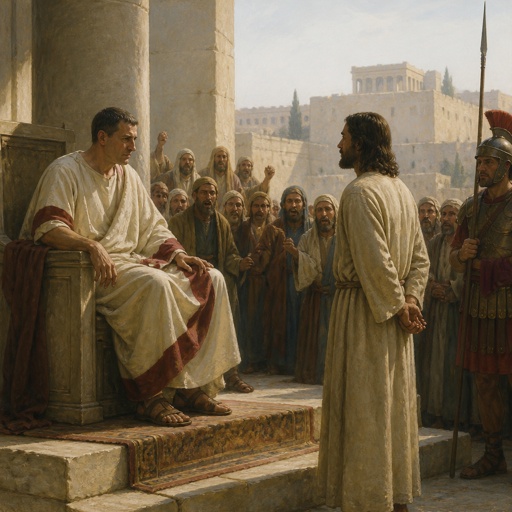
"From then on, Pilate tried to release him, but the Jews cried out, "If you let this man go, you are no friend of Caesar. Anyone who claims to be a king opposes Caesar." When Pilate heard this, he brought Jesus out and sat down on the judge's seat at a place known as the Stone Pavement (which in Aramaic is Gabbatha)." - John 19:12-13
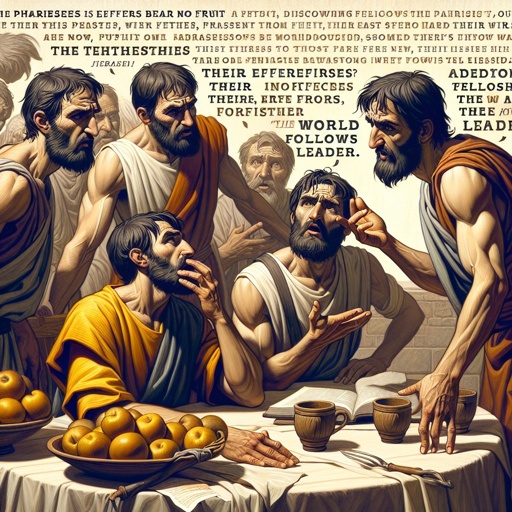
John 12:19 - "The Pharisees therefore said among themselves, Perceive ye how ye prevail nothing? behold, the world is gone after him."

John 19:38

John 19:1

John 19:19 - "¶ And Pilate wrote a title, and put it on the cross. And the writing was, JESUS OF NAZARETH THE KING OF THE JEWS."

John 17.6-19

John 19:1-3

John 19:25-27

John 1:19 - "¶ And this is the record of John, when the Jews sent priests and Levites from Jerusalem to ask him, Who art thou?"

John 19:25-27

John 19:26-27

John 21:15-19
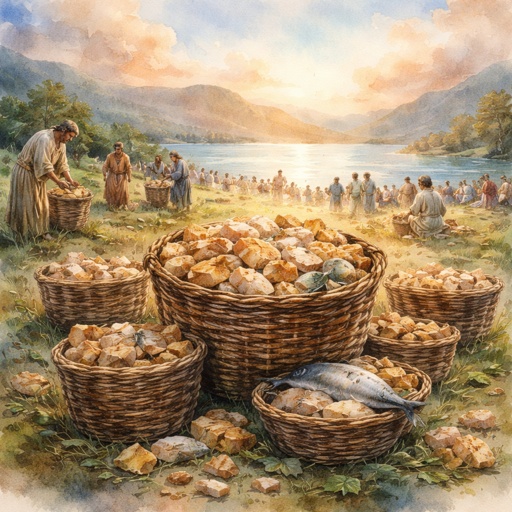
John 6:12

John 8:12
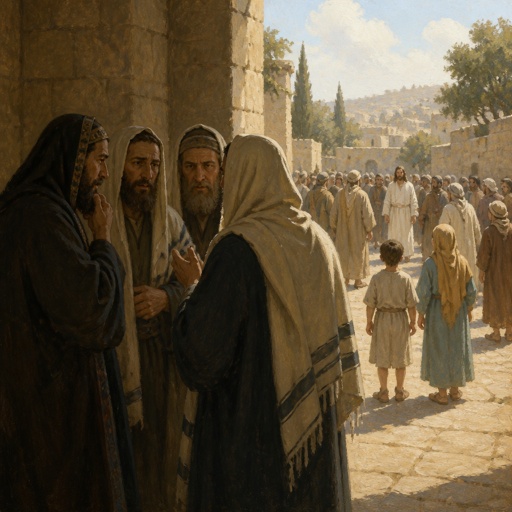
"The Pharisees therefore said among themselves, Perceive ye how ye prevail nothing? behold, the world is gone after him." - John 12:19

John 12:25

John 8:12

John 8:12

John 8:12
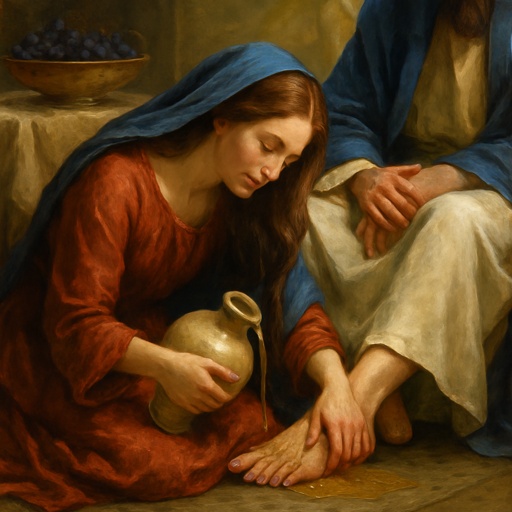
John 12:3

John 8:12

John 10:19 - "¶ There was a division therefore again among the Jews for these sayings."

Genesis 19-12

John 20:11-12

John 19:1 - "Then Pilate therefore took Jesus, and scourged him."

John 19:25-27 with emphasis on Mary

John 12:12 - "¶ On the next day much people that were come to the feast, when they heard that Jesus was coming to Jerusalem,"