What does John 19:12 mean?
“And from thenceforth Pilate sought to release him: but the Jews cried out, saying, If thou let this man go, thou art not Cæsar’s friend: whosoever maketh himself a king speaketh against Cæsar.” — John 19:12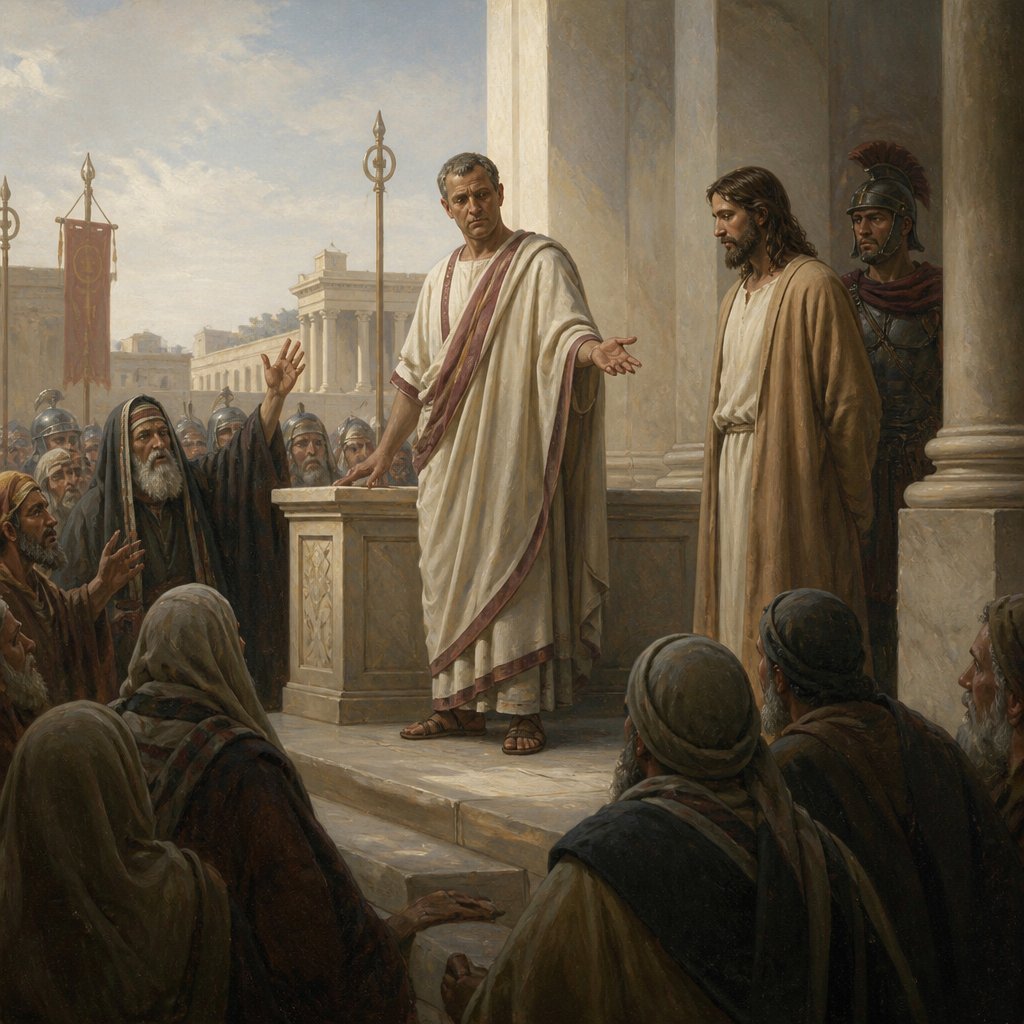
John 19:12 in the King James Version of the Bible reads, "And from thenceforth Pilate sought to release him: but the Jews cried out, saying, If thou let this man go, thou art not Caesar's friend: whosoever maketh himself a king speaketh against Caesar."
This verse comes from the passage in the Gospel of John that describes the events leading up to Jesus' crucifixion. Pilate, the Roman governor, has Jesus brought before him and is faced with the decision of what to do with him. The Jewish religious leaders have brought Jesus to Pilate, accusing him of claiming to be a king and leading a rebellion against Rome. They are seeking to have Jesus executed, as they see him as a threat to their own authority and control over the people. Pilate, on the other hand, is not convinced that Jesus has done anything deserving of death, and he is conflicted about what to do.
The verse captures a pivotal moment in the trial of Jesus, as Pilate is torn between his desire to release Jesus and the pressure from the Jewish leaders and the crowd. This moment reflects the larger themes of power, authority, and the conflict between earthly kingdoms and the kingdom of God.
One of the central themes of this verse is the clash between the kingdoms of this world and the kingdom of God. Pilate is caught between the demands of the Jewish leaders, who are concerned with maintaining their own power and authority, and the message of Jesus, who preaches about a kingdom that is not of this world. The accusation that Jesus is claiming to be a king and speaking against Caesar highlights the tension between the earthly kingdom of Rome and the spiritual kingdom of God. In this moment, Pilate is being forced to choose between the authority of Caesar and the authority of God, and it sets the stage for the ultimate clash between these two kingdoms in the crucifixion of Jesus.
Another important theme in this verse is the nature of true leadership and friendship. The Jewish leaders try to manipulate Pilate by accusing him of disloyalty to Caesar if he releases Jesus. They are appealing to Pilate's self-interest and desire for power and influence. In contrast, Jesus embodies a different kind of leadership, one that is characterized by humility, service, and self-sacrifice. Throughout his ministry, Jesus teaches about the upside-down nature of God's kingdom, where the last will be first and the greatest will be the servant of all. The contrast between the self-serving manipulation of the Jewish leaders and the selfless love of Jesus underscores the radical nature of Jesus' message and the challenge it presents to the systems of power and authority in the world.
Symbolism in this verse can be found in the characters of Pilate, the Jews, and Jesus himself. Pilate represents the earthly authority and the power structures of the world, which are often driven by self-interest, fear, and the desire for control. The Jewish leaders symbolize the corruption and hypocrisy of religious leaders who use their positions for personal gain and to maintain their own status. In contrast, Jesus embodies the true nature of God's kingdom, as he willingly submits to the unjust treatment and ultimately gives his life in order to bring about the redemption and reconciliation of all people.
In conclusion, John 19:12 captures a pivotal moment in the trial of Jesus, as Pilate is pressured to make a decision about his fate. This verse highlights the larger themes of power, authority, and the clash between the kingdoms of this world and the kingdom of God. Through the characters of Pilate, the Jewish leaders, and Jesus, the verse also conveys important messages about true leadership, selfless love, and the radical nature of God's kingdom. As we reflect on this verse, we are prompted to consider where our loyalties lie and how we are called to embody the values of God's kingdom in our own lives.
Get our apps


Artwork for John 19:12

John 19:12 - "And from thenceforth Pilate sought to release him: but the Jews cried out, saying, If thou let this man go, thou art not Caesar's friend: whosoever maketh himself a king speaketh against Caesar."

John 19:12-13 - "From then on, Pilate tried to release him, but the Jews cried out, "If you let this man go, you are no friend of Caesar. Anyone who claims to be a king opposes Caesar." When Pilate heard this, he brought Jesus out and sat down on the judge's seat at a place known as the Stone Pavement (which in Aramaic is Gabbatha)."
"And from thenceforth Pilate sought to release him: but the Jews cried out, saying, If thou let this man go, thou art not Caesar's friend: whosoever maketh himself a king speaketh against Caesar." - John 19:12
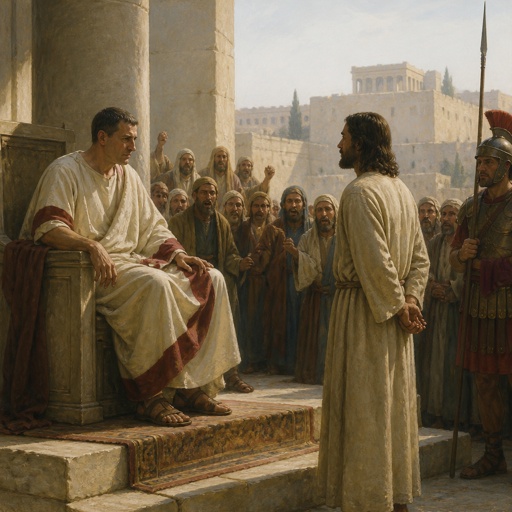
"From then on, Pilate tried to release him, but the Jews cried out, "If you let this man go, you are no friend of Caesar. Anyone who claims to be a king opposes Caesar." When Pilate heard this, he brought Jesus out and sat down on the judge's seat at a place known as the Stone Pavement (which in Aramaic is Gabbatha)." - John 19:12-13
John 12:19 - "The Pharisees therefore said among themselves, Perceive ye how ye prevail nothing? behold, the world is gone after him."

John 19:38

John 19:1

John 19:19 - "¶ And Pilate wrote a title, and put it on the cross. And the writing was, JESUS OF NAZARETH THE KING OF THE JEWS."

John 17.6-19

John 19:1-3

John 19:25-27

John 1:19 - "¶ And this is the record of John, when the Jews sent priests and Levites from Jerusalem to ask him, Who art thou?"

John 19:25-27

John 19:26-27

John 21:15-19
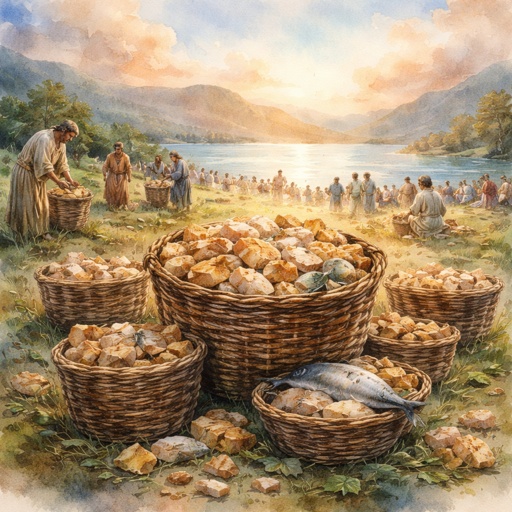
John 6:12

John 8:12
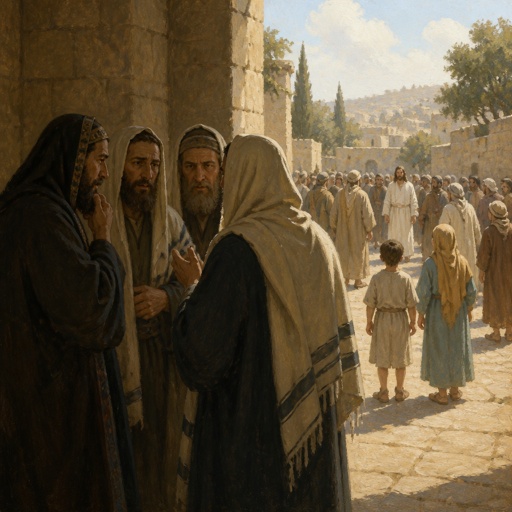
"The Pharisees therefore said among themselves, Perceive ye how ye prevail nothing? behold, the world is gone after him." - John 12:19

John 12:25
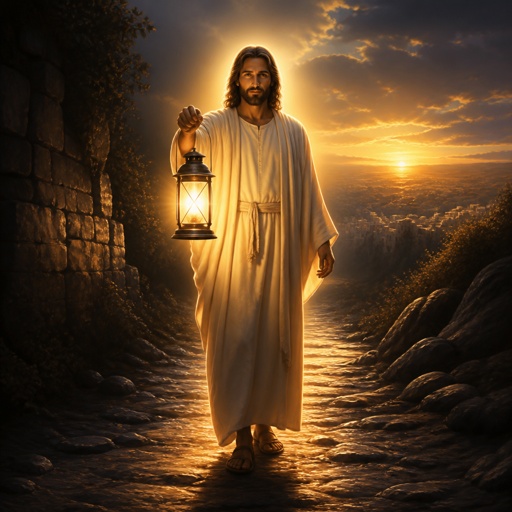
John 8:12

John 8:12

John 8:12
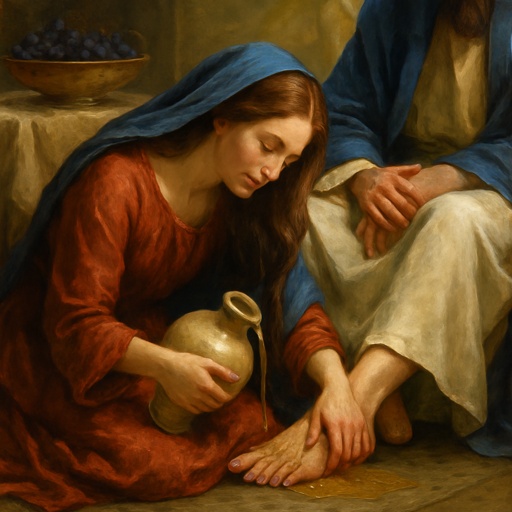
John 12:3

John 8:12

John 10:19 - "¶ There was a division therefore again among the Jews for these sayings."

Genesis 19-12

John 20:11-12

John 19:1 - "Then Pilate therefore took Jesus, and scourged him."

John 19:25-27 with emphasis on Mary

John 12:12 - "¶ On the next day much people that were come to the feast, when they heard that Jesus was coming to Jerusalem,"