The Weight of Power and the Pursuit of Truth
“And from thenceforth Pilate sought to release him: but the Jews cried out, saying, If thou let this man go, thou art not Cæsar’s friend: whosoever maketh himself a king speaketh against Cæsar. When Pilate therefore heard that saying, he brought Jesus forth, and sat down in the judgment seat in a place that is called the Pavement, but in the Hebrew, Gabbatha.” — John 19:12-13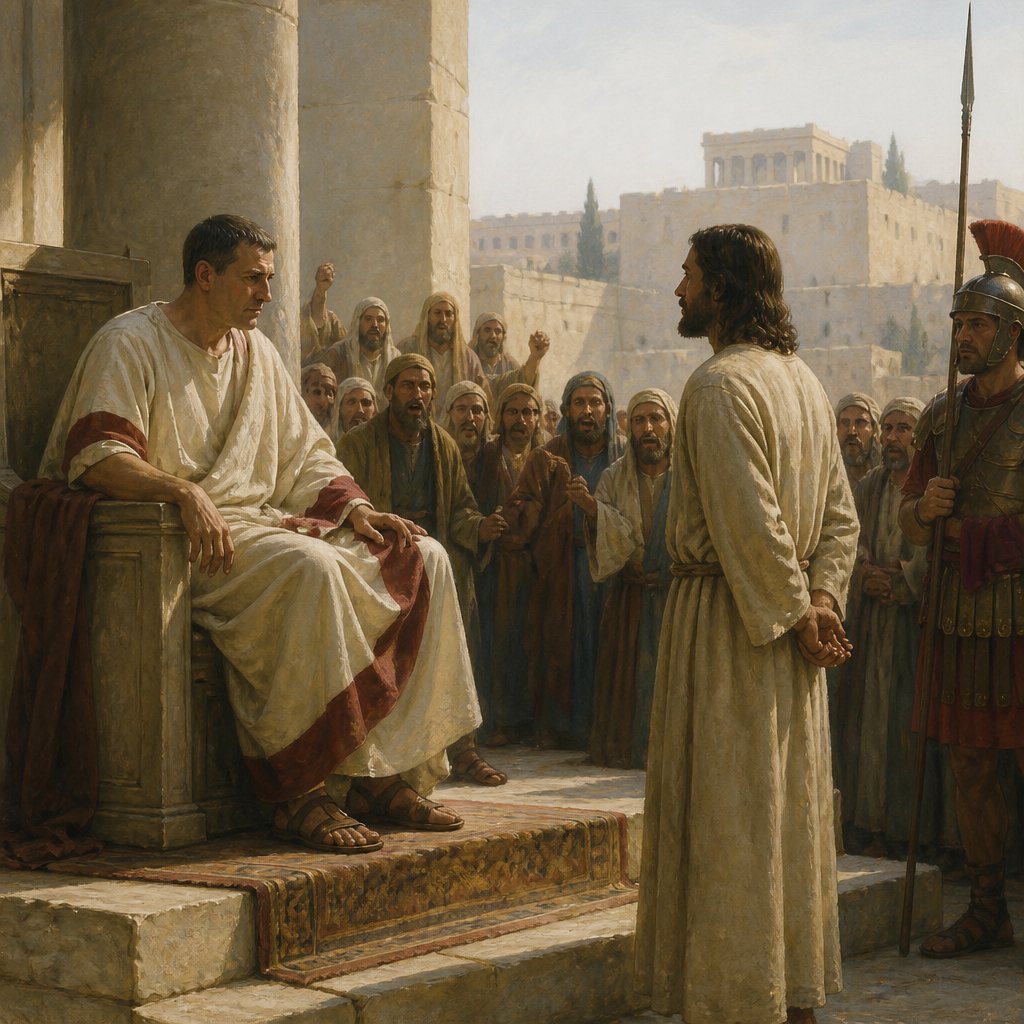
In the narrative of Christ’s crucifixion, we encounter a pivotal moment in John 19:12-13 that speaks volumes about power, fear, and the struggle for truth. The setting is dramatic; it takes place at Gabbatha, the judgment seat where Pilate, the Roman governor, is faced with a monumental decision. "And from thenceforth Pilate sought to release him: but the Jews cried out," the scripture recounts, giving us a glimpse into the tension that filled the air.
Pilate is caught in a web of conflicting pressures. On one side, he recognizes Jesus’ innocence and seeks to release Him. On the other side, the relentless cry of the crowd echoes around him, filled with accusations that chill the air. "If thou let this man go, thou art not Caesar's friend: whosoever maketh himself a king speaketh against Caesar." Here, the Jewish leaders wield the political stakes of the situation like a sword, entangling Pilate in the fears of loyalty and authority.
This scene invites us to reflect on our relationship with power. Pilate, a man of authority, is suddenly placed in a precarious position, revealing the vulnerabilities that accompany leadership. How often do we find ourselves in similar situations, balancing the expectations of those around us with the call of our conscience? Pilate’s dilemma reminds us that power can be a double-edged sword; it offers protection but also demands sacrifices. In choosing to pursue the approval of man over that of God, Pilate ultimately betrays his own values.
The striking message here is the way the crowd manipulates political pressure to influence Pilate’s judgment: they invoke Caesar’s name to instill fear. It points to a larger truth about humanity’s tendency to choose expedience over truth. In this moment, Pilate embodies the flawed nature that can exist in each of us. The desire to maintain one’s status—whether it be political, social, or personal—often leads to compromises that silence the voice of truth.
As Christians today, we must wrestle with similar dilemmas. We may find ourselves pressured to adhere to societal views or norms that contradict our beliefs. The world often raises its voice, demanding compliance, much like the mob demanding Jesus' crucifixion, attempting to drown out the whisper of conscience. It raises the question: Are we willing to speak the truth, even when it is costly? Are we prepared to face our own Gabbatha moments?
As Pilate sat on the judgment seat, we must also consider where we choose to take our stand. Are we willing to follow the truth of Jesus, who embodies righteousness and love? Or do we allow fear and the opinions of others to influence our decisions? The pavement at Gabbatha serves as a reminder that judgment is not only in the hands of rulers; it also rests in our hearts. Each day, we decide whom we will serve—ourselves, our fears, or our calling as children of God.
In the face of life’s uncertainties, we can find comfort in knowing that although Pilate faced immense pressure and ultimately failed to uphold the truth, Jesus still fulfills the prophecy of our salvation. The world may sway us toward compromise, yet in Christ, there is an unwavering commitment to justice and truth.
As we meditate on this passage, let us pray for the courage to speak truth to power, to stand firm in our convictions, and to bear witness to Christ, even when it feels like we are standing on a precarious judgment seat. In doing so, we honor the one who stood silent before His accusers and entrusted Himself to the one who judges righteously. May we commit to living in truth, becoming reflections of Jesus in a world desperate for authenticity and love. Amen.
Get our apps


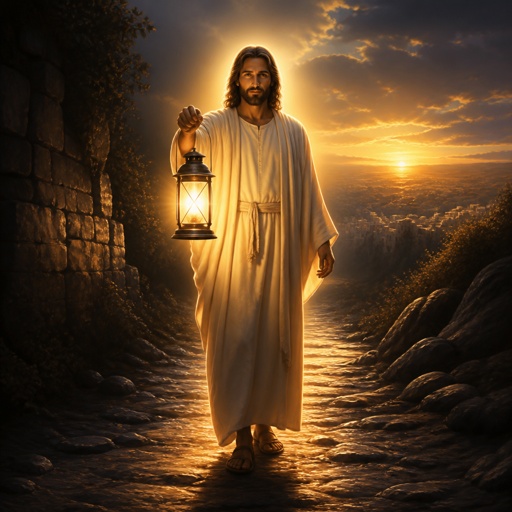
Artwork for John 19:12-13

John 19:12-13 - "From then on, Pilate tried to release him, but the Jews cried out, "If you let this man go, you are no friend of Caesar. Anyone who claims to be a king opposes Caesar." When Pilate heard this, he brought Jesus out and sat down on the judge's seat at a place known as the Stone Pavement (which in Aramaic is Gabbatha)."
"From then on, Pilate tried to release him, but the Jews cried out, "If you let this man go, you are no friend of Caesar. Anyone who claims to be a king opposes Caesar." When Pilate heard this, he brought Jesus out and sat down on the judge's seat at a place known as the Stone Pavement (which in Aramaic is Gabbatha)." - John 19:12-13

John 19:1-3

John 13:19 - "Now I tell you before it come, that, when it is come to pass, ye may believe that I am he."
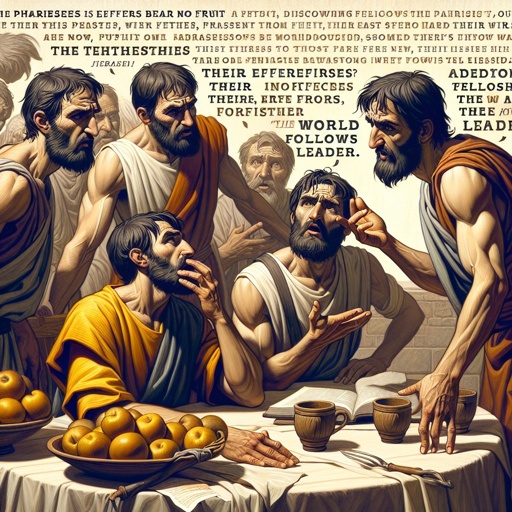
John 12:19 - "The Pharisees therefore said among themselves, Perceive ye how ye prevail nothing? behold, the world is gone after him."

John 19:13 - "¶ When Pilate therefore heard that saying, he brought Jesus forth, and sat down in the judgment seat in a place that is called the Pavement, but in the Hebrew, Gabbatha."
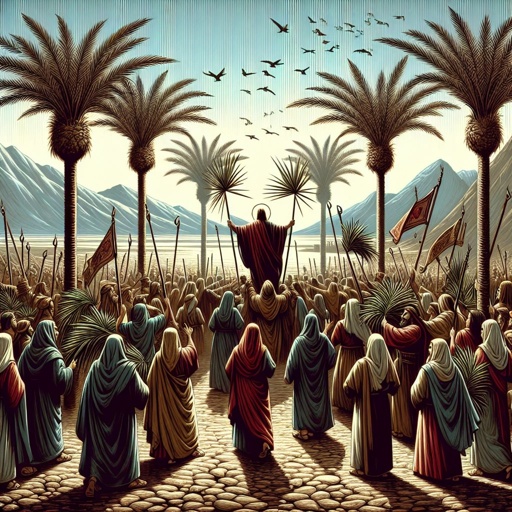
John 12:13 - "Took branches of palm trees, and went forth to meet him, and cried, Hosanna: Blessed is the King of Israel that cometh in the name of the Lord."

John 19:12 - "And from thenceforth Pilate sought to release him: but the Jews cried out, saying, If thou let this man go, thou art not Caesar's friend: whosoever maketh himself a king speaketh against Caesar."

John 15:12-13 - "My command is this: Love each other as I have loved you. Greater love has no one than this: to lay down one’s life for one’s friends."
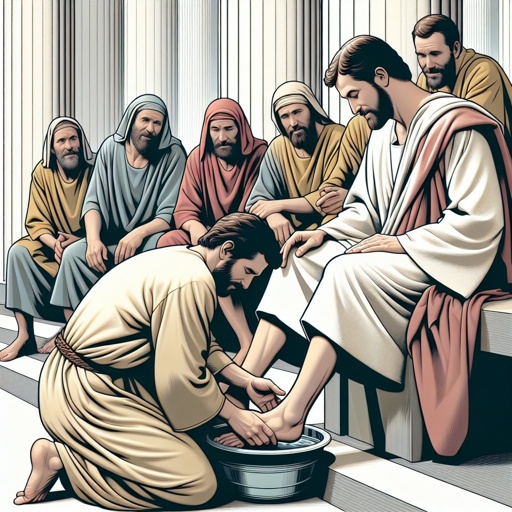
John 13:12 - "So after he had washed their feet, and had taken his garments, and was set down again, he said unto them, Know ye what I have done to you?"

John 19:38

John 19:1

John 13

John 19:19 - "¶ And Pilate wrote a title, and put it on the cross. And the writing was, JESUS OF NAZARETH THE KING OF THE JEWS."

John 17.6-19
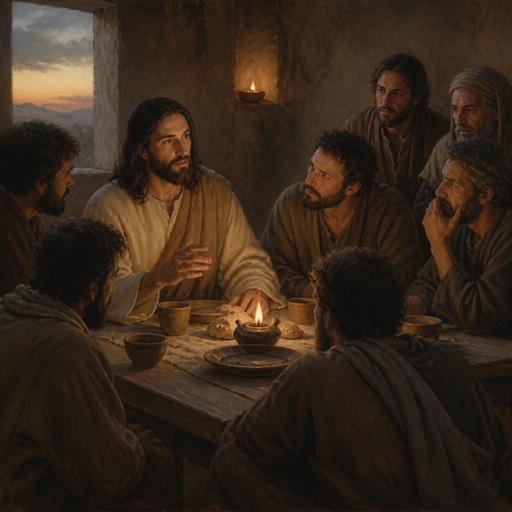
"Now I tell you before it come, that, when it is come to pass, ye may believe that I am he." - John 13:19

John 19:25-27

John 1:19 - "¶ And this is the record of John, when the Jews sent priests and Levites from Jerusalem to ask him, Who art thou?"

John 19:25-27

John 19:26-27

John 21:15-19

Luke 13:18-19

Luke 13:18-19
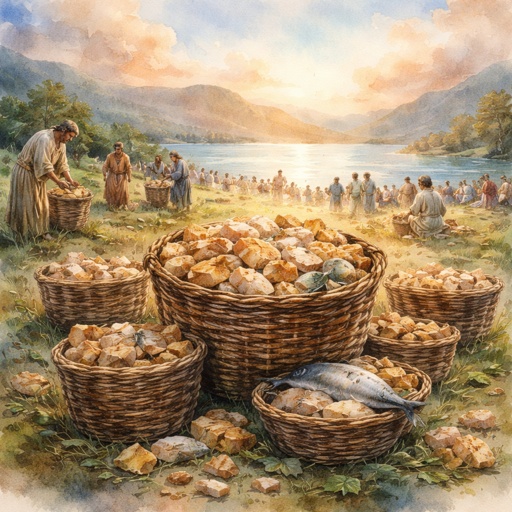
John 6:12

John 8:12
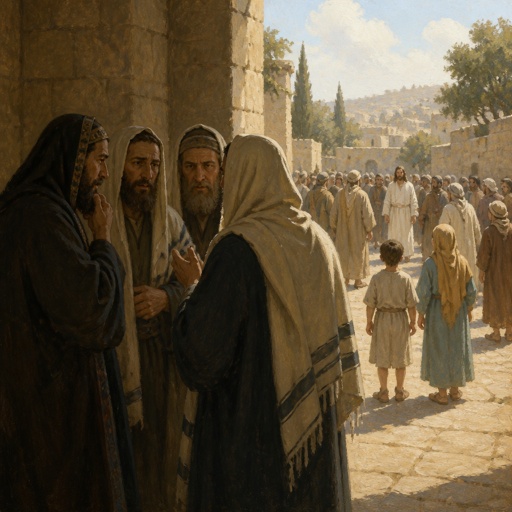
"The Pharisees therefore said among themselves, Perceive ye how ye prevail nothing? behold, the world is gone after him." - John 12:19

John 12:25
John 8:12

John 8:12

John 8:12