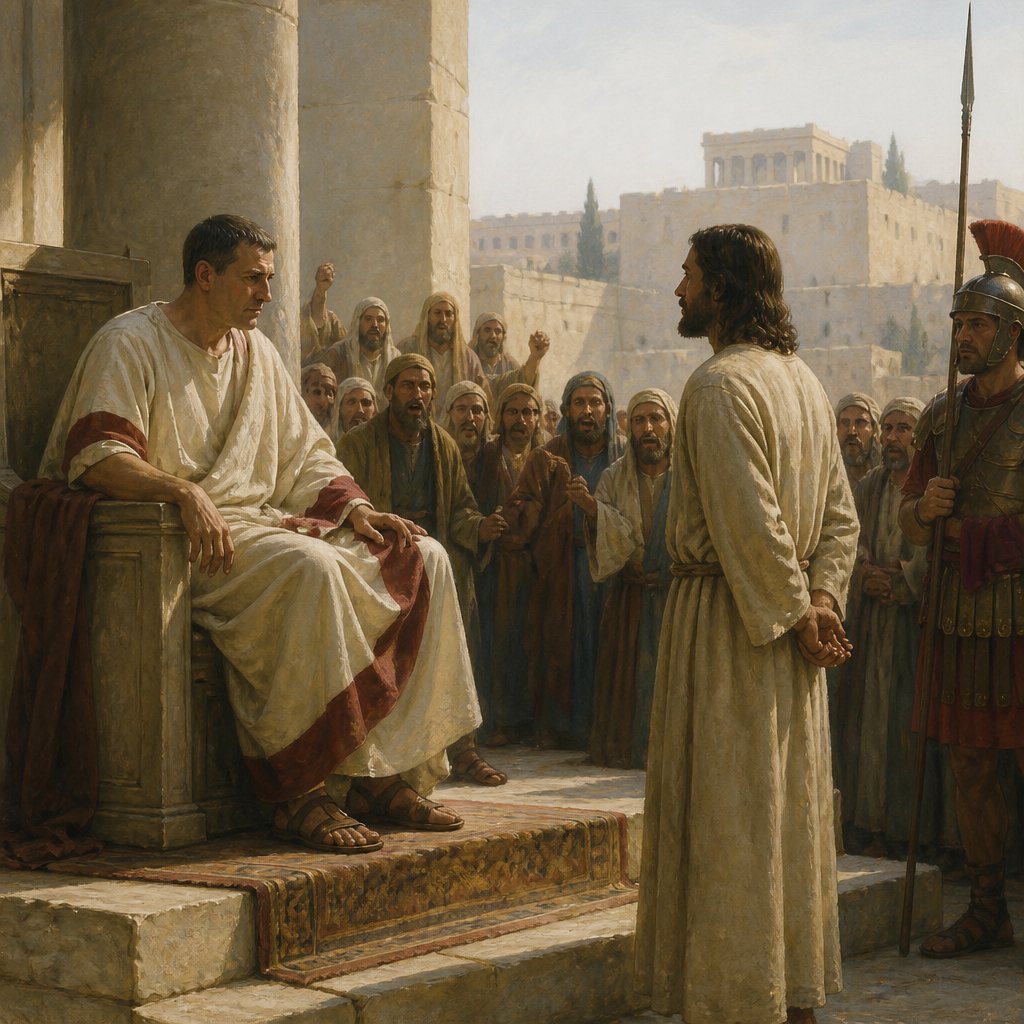
John 19:12-13 is a short but powerful passage from the King James Version of the Bible that takes place during the trial of Jesus before Pontius Pilate. The verse reads:
"And from thenceforth Pilate sought to release him: but the Jews cried out, saying, If thou let this man go, thou art not Caesar's friend: whosoever maketh himself a king speaketh against Caesar. When Pilate therefore heard that saying, he brought Jesus forth, and sat down in the judgment seat in a place that is called the Pavement, but in the Hebrew, Gabbatha."
This passage is part of the larger narrative of Jesus' crucifixion and the events leading up to it. To fully understand the meaning and commentary of these verses, it's important to consider the themes, context, and symbolism at play.
One of the central themes in this passage is the tension between political power and religious authority. Pontius Pilate, as the Roman governor of Judea, held significant political power. However, he was also dealing with a religious matter, as the Jewish religious leaders were the ones demanding Jesus' crucifixion. The Jews' accusation that Pilate was not Caesar's friend if he let Jesus go shows the political pressure they were exerting on him. Pilate's desire to release Jesus indicates that he saw no fault in Jesus deserving of death, yet he ultimately allowed the crowd's demands to sway his decision. This highlights the complex interplay between religious beliefs and political maneuvering, a theme that has been relevant throughout history and continues to be so today.
Another important theme in these verses is the contrast between truth and manipulation. The Jewish religious leaders were manipulating Pilate by appealing to his loyalty to Caesar and portraying Jesus as a threat to Roman rule. We see Pilate grappling with the truth as he tries to release Jesus, but ultimately gives in to the pressure and allows an innocent man to be crucified. This highlights the broader theme of the struggle between good and evil, truth and deception, and the challenge of standing firm in one's beliefs in the face of opposition.
The historical context of this passage is also crucial to understanding its significance. Jesus' trial before Pilate took place during a time of great political and religious upheaval in Judea. The Roman occupation and the complex power dynamics between the Roman authorities and the Jewish religious leaders created a volatile environment. The tension between these various forces provides the backdrop for the events described in the passage and sheds light on the motivations and actions of the characters involved.
In terms of symbolism, the mention of the Pavement, or Gabbatha in Hebrew, is significant. This was the location where Pilate sat in judgment before the crowd, making the final decision to crucify Jesus. The Pavement represents the seat of human judgment and the flawed nature of earthly authority. It symbolizes the worldly powers that ultimately failed to recognize and uphold the truth of Jesus' innocence.
Overall, John 19:12-13 offers a profound commentary on the complexities of power, truth, and human nature. The passage serves as a reminder of the ongoing struggle between religious conviction and political expediency, as well as the need to stand firm in the face of manipulation and injustice. It also points to the ultimate failure of human judgment and the need for a higher authority, a theme that is ultimately fulfilled in the resurrection and exaltation of Jesus as the true King. This verse invites readers to reflect on their own responses to the pressures of the world and to seek steadfastness in their faith and commitment to truth.
Get our apps


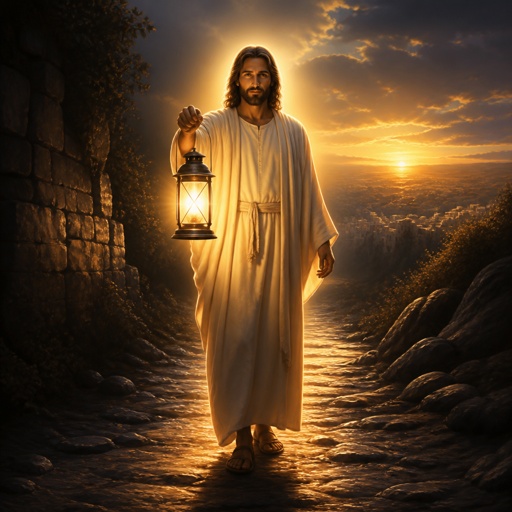
Artwork for John 19:12-13

John 19:12-13 - "From then on, Pilate tried to release him, but the Jews cried out, "If you let this man go, you are no friend of Caesar. Anyone who claims to be a king opposes Caesar." When Pilate heard this, he brought Jesus out and sat down on the judge's seat at a place known as the Stone Pavement (which in Aramaic is Gabbatha)."
"From then on, Pilate tried to release him, but the Jews cried out, "If you let this man go, you are no friend of Caesar. Anyone who claims to be a king opposes Caesar." When Pilate heard this, he brought Jesus out and sat down on the judge's seat at a place known as the Stone Pavement (which in Aramaic is Gabbatha)." - John 19:12-13

John 19:1-3

John 13:19 - "Now I tell you before it come, that, when it is come to pass, ye may believe that I am he."
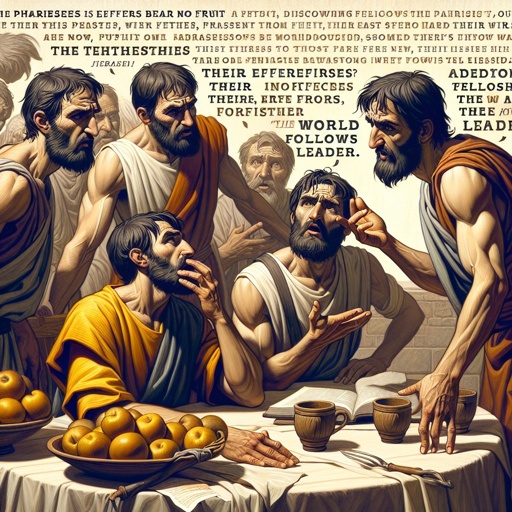
John 12:19 - "The Pharisees therefore said among themselves, Perceive ye how ye prevail nothing? behold, the world is gone after him."

John 19:13 - "¶ When Pilate therefore heard that saying, he brought Jesus forth, and sat down in the judgment seat in a place that is called the Pavement, but in the Hebrew, Gabbatha."
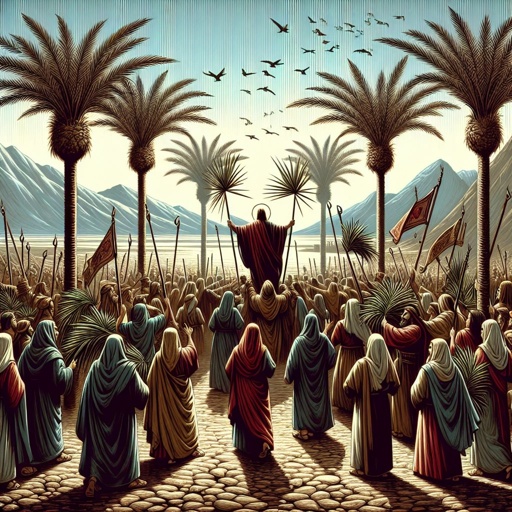
John 12:13 - "Took branches of palm trees, and went forth to meet him, and cried, Hosanna: Blessed is the King of Israel that cometh in the name of the Lord."

John 19:12 - "And from thenceforth Pilate sought to release him: but the Jews cried out, saying, If thou let this man go, thou art not Caesar's friend: whosoever maketh himself a king speaketh against Caesar."

John 15:12-13 - "My command is this: Love each other as I have loved you. Greater love has no one than this: to lay down one’s life for one’s friends."
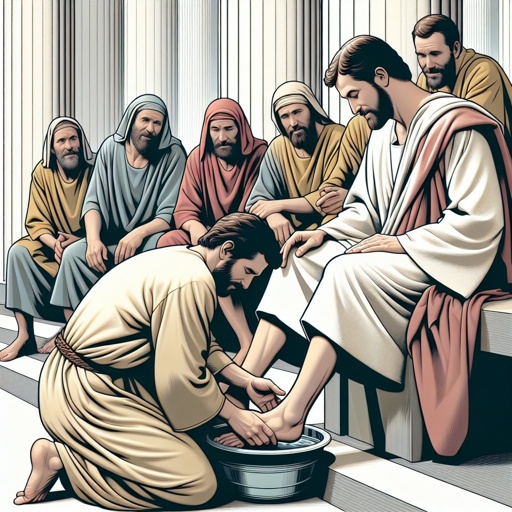
John 13:12 - "So after he had washed their feet, and had taken his garments, and was set down again, he said unto them, Know ye what I have done to you?"

John 19:38

John 19:1

John 13

John 19:19 - "¶ And Pilate wrote a title, and put it on the cross. And the writing was, JESUS OF NAZARETH THE KING OF THE JEWS."

John 17.6-19
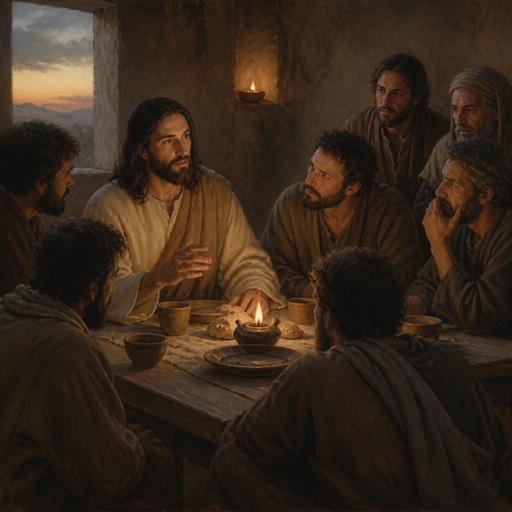
"Now I tell you before it come, that, when it is come to pass, ye may believe that I am he." - John 13:19

John 19:25-27

John 1:19 - "¶ And this is the record of John, when the Jews sent priests and Levites from Jerusalem to ask him, Who art thou?"

John 19:25-27

John 19:26-27

John 21:15-19

Luke 13:18-19

Luke 13:18-19
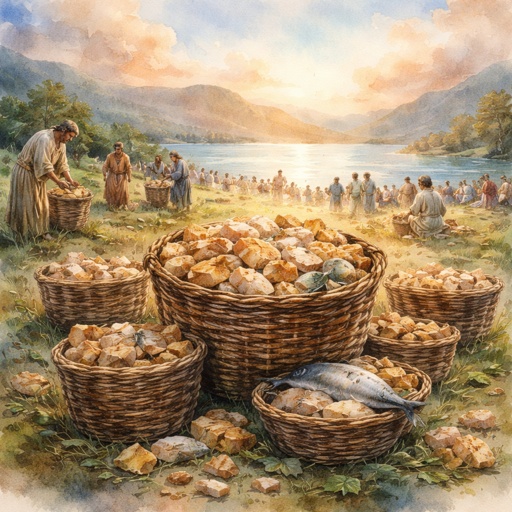
John 6:12

John 8:12
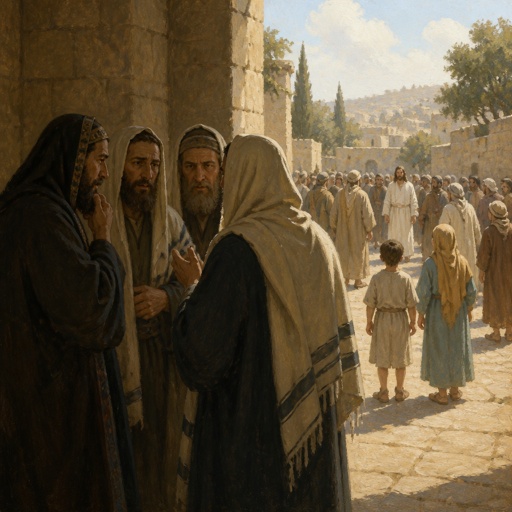
"The Pharisees therefore said among themselves, Perceive ye how ye prevail nothing? behold, the world is gone after him." - John 12:19

John 12:25
John 8:12

John 8:12

John 8:12