Finding the Messiah: A Journey of Discovery
“He first findeth his own brother Simon, and saith unto him, We have found the Messias, which is, being interpreted, the Christ.” — John 1:41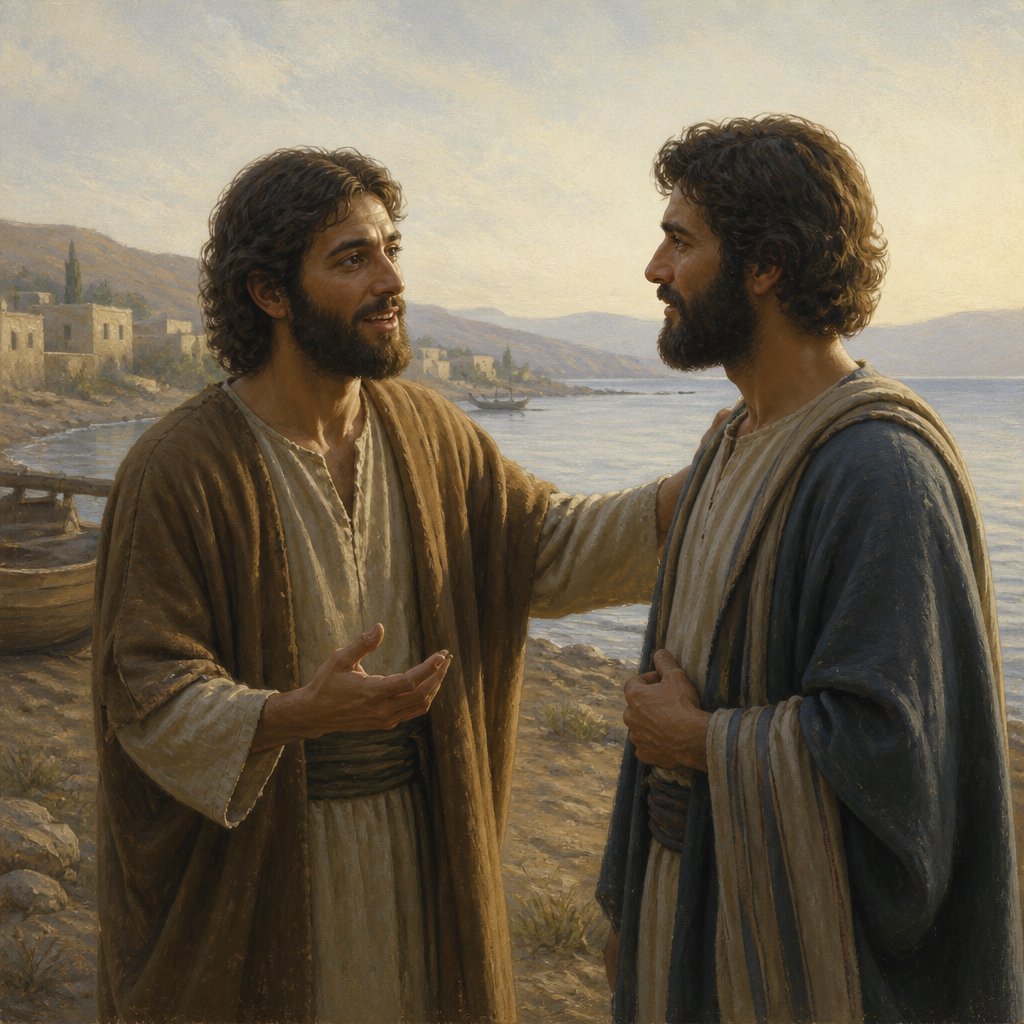
In the grand tapestry of life, moments of discovery often serve as pivotal turning points that shape the course of our journey. One such moment is captured in John 1:41, where we find a powerful declaration of faith and revelation: "He first findeth his own brother Simon, and saith unto him, We have found the Messias, which is, being interpreted, the Christ."
This simple yet profound verse illustrates not only the personal experience of Andrew, the brother of Simon Peter, but it also resonates with the universal quest for truth and understanding — the search for the Messiah. At the heart of Andrew’s exclamation lies a mixture of excitement, urgency, and a compelling duty to share what he has discovered.
**The Context of Discovery**
Andrew encounters Jesus, the very person who would redefine the course of history. In the previous verses, we learn of the initial encounter Andrew has with Jesus, which leads to an awakening in his spirit. Jesus personifies the fulfillment of the prophecies that the Jews had long awaited. Andrew’s discovery ignites something within him; it impels him to seek out his brother Simon. This brings forth an essential truth: authentic encounters with Christ are not meant to be kept to ourselves.
**The Urgency of Sharing**
The first action of Andrew was to share this revelation with Simon. Why do we find Andrew seeking out his brother? Because the urgency to spread the good news of Christ’s arrival is innate. When we encounter Christ in a way that alters our lives, sharing that experience becomes a natural response. Andrew does not merely express his joy; he conveys the significance of his finding. The title 'Messias' carries weight, reflecting the understanding of Jesus as the long-awaited savior. Andrew recognized that knowing Jesus was not just a personal experience; it was one that carried profound implications for all of Israel, including his beloved brother.
**The Call to Family**
Andrew’s prioritization of his brother Simon signifies our responsibility toward our families. With the knowledge of Christ comes a burden to reach out to our loved ones. What better news is there than that the hope of the world has arrived? As we consider our interactions with family, we must ask ourselves: Are we as fervent in sharing our faith with those closest to us as Andrew was? Our families form the first circle of influence, and they often need to hear of God’s grace and truth from us, the bearers of such joy.
**Recognition of Christ’s Identity**
Moreover, Andrew’s declaration, "We have found the Messias," does not just reflect his excitement; it declares an identity. The term 'Messias' signifies someone with a purpose — a savior who is on a mission to restore humanity. Recognizing Jesus as the Messiah brings clarity to our faith and gives us a foundation on which to build our relationship with God. It invites us to explore the depths of who Jesus is and what He represents for us today.
**Conclusion: The Ripple Effect of Discovery**
Every discovery leads to another, and the ripple effect of Andrew’s declaration is monumental. His proclamation to Simon not only leads to Simon's transformation into Peter, the rock upon which the church was built, but it also sets into motion the magnificent narrative of the Gospel. We too are called to be like Andrew, actively engaging in our relationships and sharing the truth we have found in Jesus. As we journey through our days, let us be inspired to seek opportunities to tell others about the Messiah we have encountered. Christ is not just a cornerstone of our faith; He is the light in our lives that must shine brightly through us unto others. Therefore, in every moment of inspiration or revelation we experience, let's remember to echo Andrew’s words: “We have found the Messias!”
Get our apps


Artwork for John 1:41

John 1:41 - "He first findeth his own brother Simon, and saith unto him, We have found the Messias, which is, being interpreted, the Christ."
"He first findeth his own brother Simon, and saith unto him, We have found the Messias, which is, being interpreted, the Christ." - John 1:41

John 9:1-41

John 10:41 - "And many resorted unto him, and said, John did no miracle: but all things that John spake of this man were true."

John 5:41 - "I receive not honour from men."

John 4:41 - "And many more believed because of his own word;"

Mark 10:41 - "And when the ten heard it, they began to be much displeased with James and John."

John 7:41 - "Others said, This is the Christ. But some said, Shall Christ come out of Galilee?"

John 12:41 - "These things said Esaias, when he saw his glory, and spake of him."
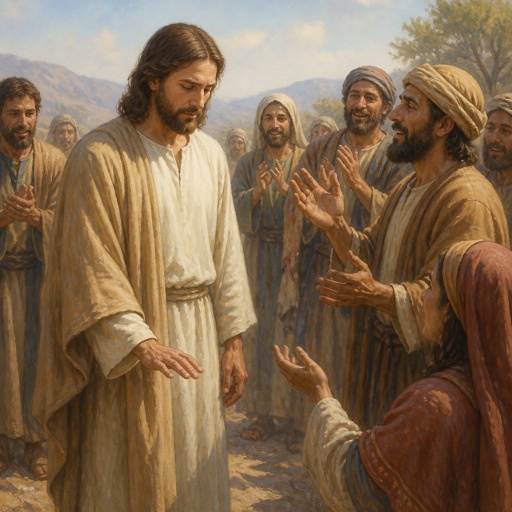
"I receive not honour from men." - John 5:41

John 6:41 - "The Jews then murmured at him, because he said, I am the bread which came down from heaven."

John 19:41 - "Now in the place where he was crucified there was a garden; and in the garden a new sepulchre, wherein was never man yet laid."

"And many resorted unto him, and said, John did no miracle: but all things that John spake of this man were true." - John 10:41
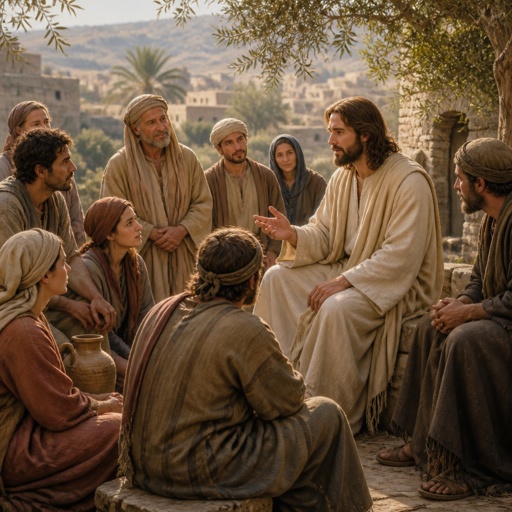
"And many more believed because of his own word;" - John 4:41

John 8:41 - "Ye do the deeds of your father. Then said they to him, We be not born of fornication; we have one Father, even God."

Isaiah 41

Acts 2:41

Isaiah 41:10

"And when the ten heard it, they began to be much displeased with James and John." - Mark 10:41

Numbers 3:41

Isaiah 41:10

Deuteronomy 32:41
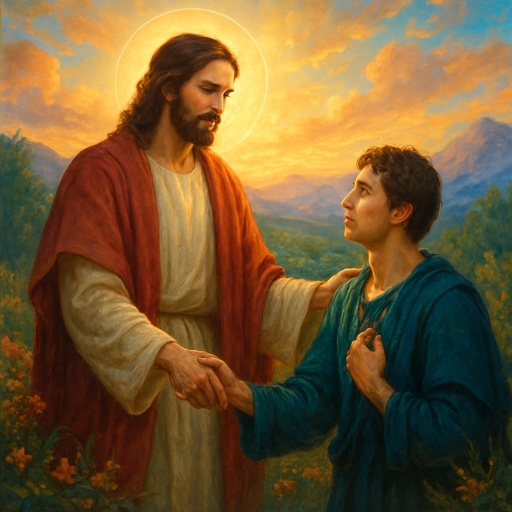
Isaiah 41:10

John 9:41 - "Jesus said unto them, If ye were blind, ye should have no sin: but now ye say, We see; therefore your sin remaineth."
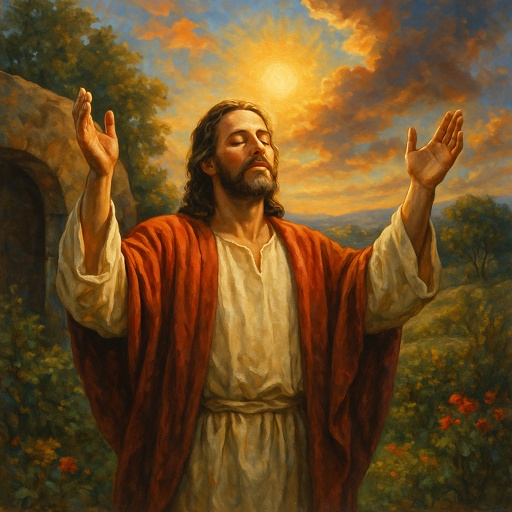
"Then they took away the stone from the place where the dead was laid. And Jesus lifted up his eyes, and said, Father, I thank thee that thou hast heard me." - John 11:41

1 Esdras 1:41 (KJVA) 41 Nabuchodonosor also took of the holy vessels of the Lord, and carried them away, and set them in his own temple at Babylon.

Acts 2:38-41

1 Esdras 1:41 (KJVA) 41 Nabuchodonosor also took of the holy vessels of the Lord, and carried them away, and set them in his own temple at Babylon.

1 Esdras 1:41 (KJVA) 41 Nabuchodonosor also took of the holy vessels of the Lord, and carried them away, and set them in his own temple at Babylon.

John 11:41 - "Then they took away the stone from the place where the dead was laid. And Jesus lifted up his eyes, and said, Father, I thank thee that thou hast heard me."