What does John 1:41 mean?
“He first findeth his own brother Simon, and saith unto him, We have found the Messias, which is, being interpreted, the Christ.” — John 1:41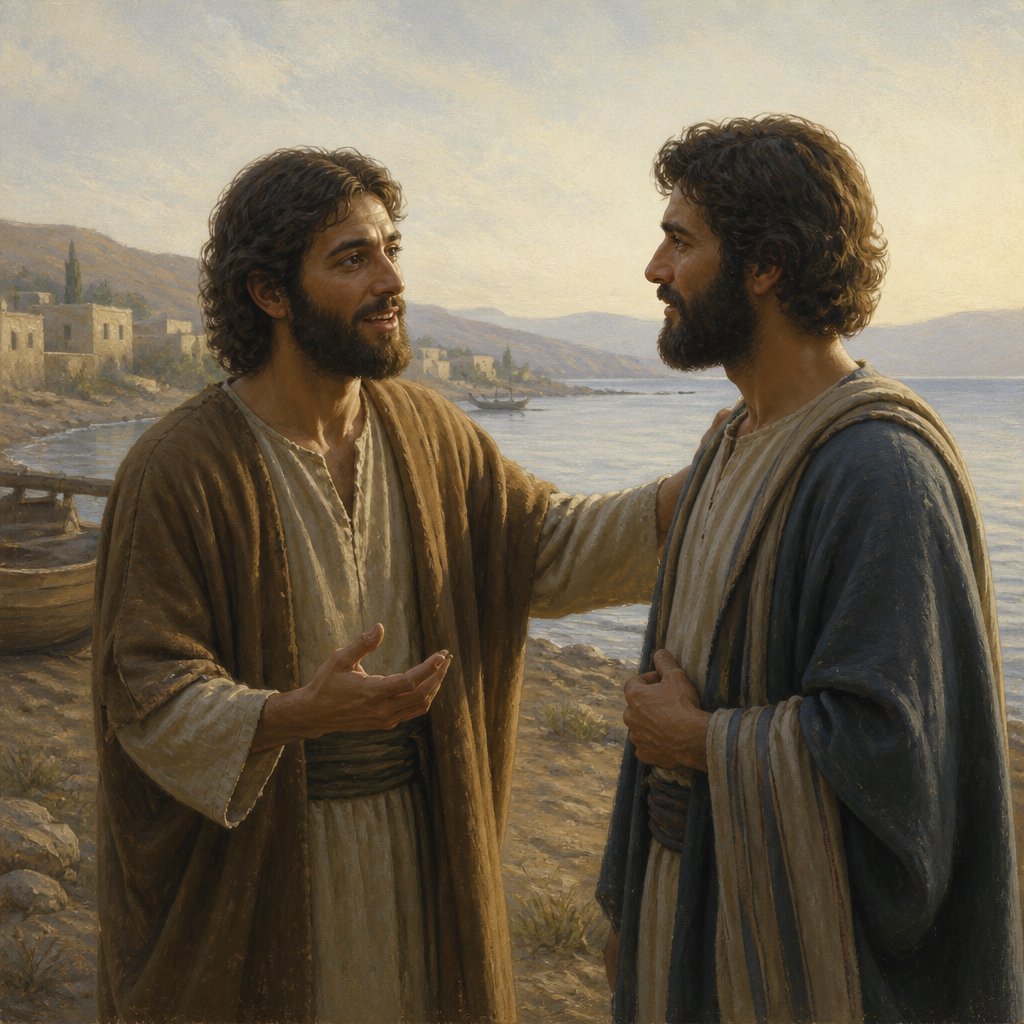
John 1:41 KJV: "He first findeth his own brother Simon, and saith unto him, We have found the Messias, which is, being interpreted, the Christ."
In this verse, we witness the beginnings of the calling of the disciples by Jesus. The verse takes place shortly after John the Baptist has testified to his disciples that Jesus is the Lamb of God. Here, we see Andrew, one of the disciples of John the Baptist, not only recognizing Jesus as the Messiah but actively seeking out to share this news with his brother Simon (who would later become known as Peter).
The first theme we can explore from this verse is the theme of evangelism and sharing the good news. Andrew's immediate response to meeting Jesus and recognizing him as the Messiah is to share this incredible news with his brother. This is a powerful demonstration of the call for believers to spread the gospel and bring others to Christ. Andrew's immediate and personal witness to Simon speaks to the urgency and passion with which we should share our faith with others.
Another theme we can extract from this verse is the concept of encountering Jesus and being transformed. Andrew's encounter with Jesus led to a radical shift in his life and his immediate desire to share this life-changing experience with others. This verse serves as a reminder of the transformative power of encountering Jesus and how it should compel us to share our newfound faith with those around us.
The context of this verse is crucial to understanding its significance. The concept of the Messiah was deeply ingrained in Jewish culture and tradition. For centuries, the Jewish people had been anticipating the coming of the Messiah, the promised deliverer. By proclaiming Jesus as the long-awaited Messiah, Andrew's words hold immense weight and significance. It marks the beginning of a new era, where the fulfillment of ancient prophecies becomes a living reality in the form of Jesus Christ.
Symbolism plays a significant role in this verse as well. The name "Simon" itself means "hearing" or "listening." Andrew's act of sharing the news of the Messiah with Simon can be seen as a metaphor for the importance of actively listening to the message of Jesus and then passing it on to others. Simon's future role as Peter, the rock on which Jesus would build his church, adds another layer of symbolism to this encounter. It foreshadows the pivotal role that Simon Peter would play in the early Christian church.
In summary, John 1:41 is a profound and impactful verse that encapsulates the themes of evangelism, encountering Jesus, and the transformative power of faith. It serves as a powerful reminder of our responsibility as believers to share the good news and the profound impact that encountering Jesus can have on our lives. The significance of this verse in the larger context of the gospel of John cannot be overstated, as it marks the beginning of a new chapter in the story of Jesus and his disciples.
Get our apps


Artwork for John 1:41

John 1:41 - "He first findeth his own brother Simon, and saith unto him, We have found the Messias, which is, being interpreted, the Christ."
"He first findeth his own brother Simon, and saith unto him, We have found the Messias, which is, being interpreted, the Christ." - John 1:41

John 9:1-41

John 10:41 - "And many resorted unto him, and said, John did no miracle: but all things that John spake of this man were true."

John 5:41 - "I receive not honour from men."

John 4:41 - "And many more believed because of his own word;"

Mark 10:41 - "And when the ten heard it, they began to be much displeased with James and John."

John 7:41 - "Others said, This is the Christ. But some said, Shall Christ come out of Galilee?"

John 12:41 - "These things said Esaias, when he saw his glory, and spake of him."
"I receive not honour from men." - John 5:41

John 6:41 - "The Jews then murmured at him, because he said, I am the bread which came down from heaven."

John 19:41 - "Now in the place where he was crucified there was a garden; and in the garden a new sepulchre, wherein was never man yet laid."

"And many resorted unto him, and said, John did no miracle: but all things that John spake of this man were true." - John 10:41
"And many more believed because of his own word;" - John 4:41

John 8:41 - "Ye do the deeds of your father. Then said they to him, We be not born of fornication; we have one Father, even God."

Isaiah 41

Acts 2:41

Isaiah 41:10

"And when the ten heard it, they began to be much displeased with James and John." - Mark 10:41

Numbers 3:41

Isaiah 41:10

Deuteronomy 32:41
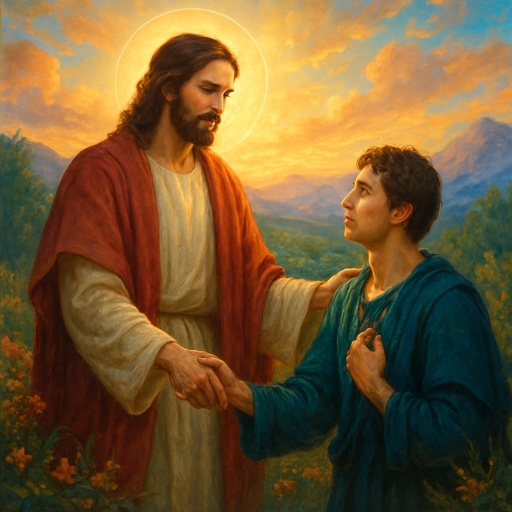
Isaiah 41:10

John 9:41 - "Jesus said unto them, If ye were blind, ye should have no sin: but now ye say, We see; therefore your sin remaineth."
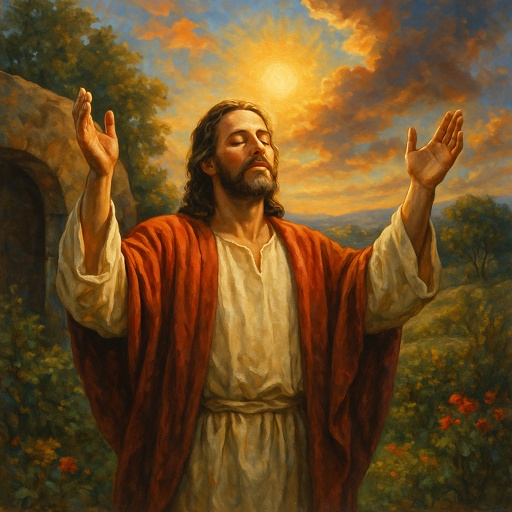
"Then they took away the stone from the place where the dead was laid. And Jesus lifted up his eyes, and said, Father, I thank thee that thou hast heard me." - John 11:41

1 Esdras 1:41 (KJVA) 41 Nabuchodonosor also took of the holy vessels of the Lord, and carried them away, and set them in his own temple at Babylon.

Acts 2:38-41

1 Esdras 1:41 (KJVA) 41 Nabuchodonosor also took of the holy vessels of the Lord, and carried them away, and set them in his own temple at Babylon.

1 Esdras 1:41 (KJVA) 41 Nabuchodonosor also took of the holy vessels of the Lord, and carried them away, and set them in his own temple at Babylon.

John 11:41 - "Then they took away the stone from the place where the dead was laid. And Jesus lifted up his eyes, and said, Father, I thank thee that thou hast heard me."