The Power of Faith: A Journey of Trust and Healing
“Jesus saith unto him, Go thy way; thy son liveth. And the man believed the word that Jesus had spoken unto him, and he went his way.” — John 4:50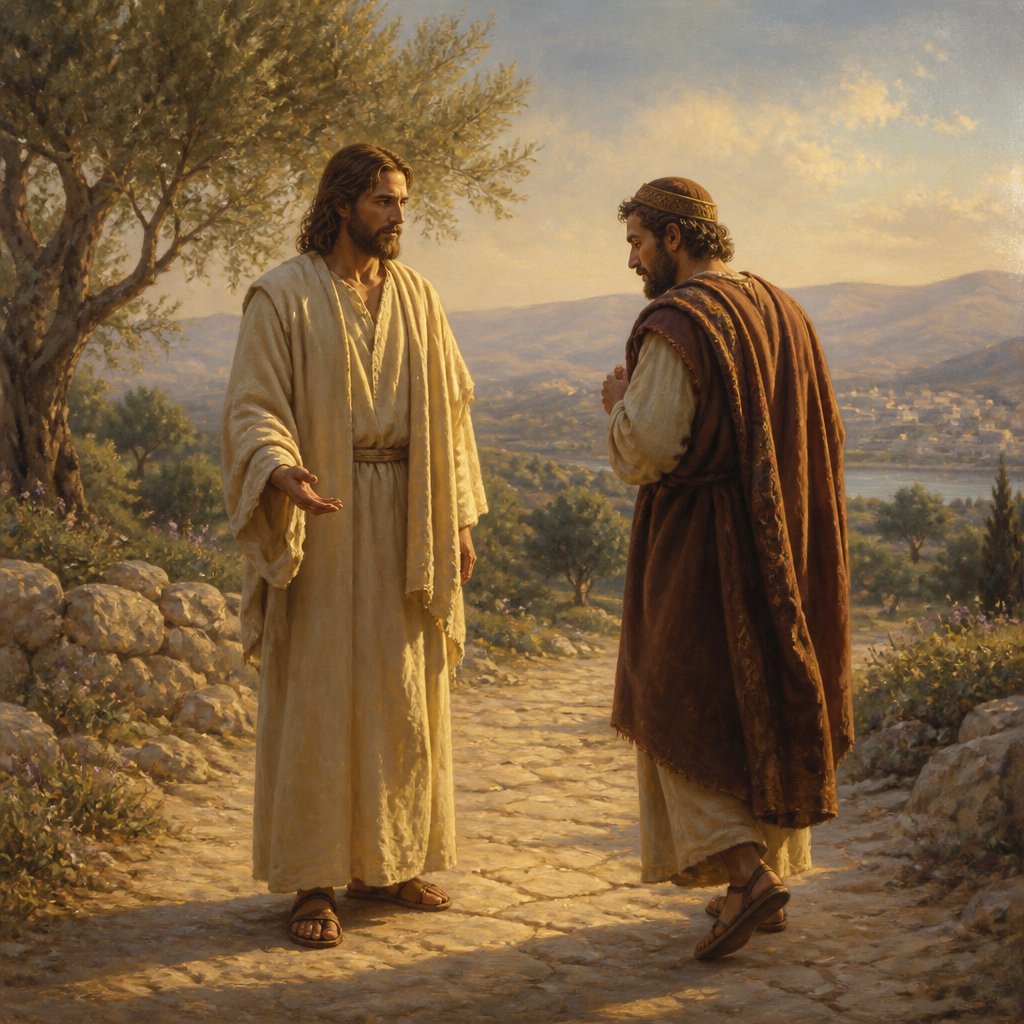
As we delve into the story of the nobleman in John 4:50, we encounter a profound demonstration of faith intertwined with the promise of life. The Bible verse reads: "Jesus saith unto him, Go thy way; thy son liveth. And the man believed the word that Jesus had spoken unto him, and he went his way."
In this narrative, we see a desperate father, a nobleman whose heart is heavy with worry about his sick son. The proximity of despair often brings us to moments where our faith is tested; in times of desperation, we are presented with two paths—one of doubt fueled by fear, and another paved by faith in God’s promises. As the nobleman approaches Jesus, his plea is earnest, filled with parental love and urgency. He does not come out of entitlement but is clothed in humility and desperation,
Jesus, knowing the man’s heart, immediately speaks a powerful declaration: "Go thy way; thy son liveth.” Here, we find a concise command paired with the assurance of healing. This is a moment of divine revelation. Jesus does not physically accompany the man home; instead, He imparts a word that is steeped in authority and promise. This requires an immense leap of faith from the nobleman. In a world where we often want proof before we believe, the nobleman’s reaction is exemplary.
The text specifically tells us that "the man believed the word that Jesus had spoken unto him." Many of us find ourselves in situations where we pray fervently for healing, peace, or direction, yet we struggle with true belief that God has actually heard and responded. The nobleman’s belief led him to take action—he went his way, and his journey was not just a physical one but a journey of faith. In this act of going, he demonstrates trust in Jesus’ words. He does not linger in doubt or hesitation; he chooses to move forward.
This moment is pivotal. As believers, when we are assured of God’s promises, we need to act, even if our circumstances seem unchanged at the outset. The nobleman was risking everything by leaving Jesus without any visible sign that his son was healed. Yet, the very act of departing showcased a profound understanding of faith: it is not limited to what our eyes can see but is rooted deeply in the character and reliability of Jesus. It is an affirmation that true faith often operates in the realm of the unseen.
Furthermore, the narrative unfolds its depth as we explore what happens when the nobleman returns home. We learn that his son was indeed healed at the very hour Jesus spoke to him. It is not simply a story about healing; it is a vivid portrayal of how faith ignites the miraculous. The intersection of faith and divine intervention reminds us that God acts in accordance with our belief. The nobleman’s faith was both a response to Jesus’ word and an invitation for God’s power to manifest in his life and his son’s.
Therefore, as we reflect on John 4:50, let us find solace and strength in the nobleman’s story. We are called to believe in the words spoken over our lives, to trust in God’s power and goodness even when we cannot see the outcome. Faith may require us to take steps into uncertainty, but it assures us of God’s faithfulness.
May we carry this message with us, emboldened by the realization that while life’s storms may rage, we have a Savior who speaks life where there is death, hope where there is despair, and healing where there is brokenness. Just as the nobleman believed and went his way, let us trust, believe, and walk in faith, assured that our God is true to His word.
Get our apps


Artwork for John 4:50

John 4:50 - "Jesus saith unto him, Go thy way; thy son liveth. And the man believed the word that Jesus had spoken unto him, and he went his way."
"Jesus saith unto him, Go thy way; thy son liveth. And the man believed the word that Jesus had spoken unto him, and he went his way." - John 4:50

John 8:50 - "And I seek not mine own glory: there is one that seeketh and judgeth."

John 7:50 - "Nicodemus saith unto them, (he that came to Jesus by night, being one of them,)"

John 6:50 - "This is the bread which cometh down from heaven, that a man may eat thereof, and not die."

John 11:50 - "Nor consider that it is expedient for us, that one man should die for the people, and that the whole nation perish not."

John 12:50 - "And I know that his commandment is life everlasting: whatsoever I speak therefore, even as the Father said unto me, so I speak."
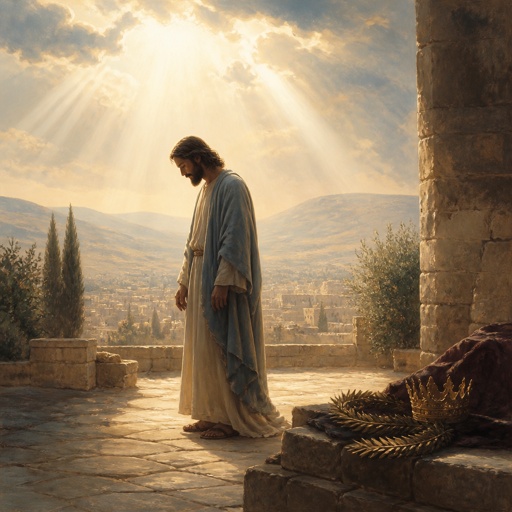
"And I seek not mine own glory: there is one that seeketh and judgeth." - John 8:50

John 6:50 - "This is the bread which cometh down from heaven, that a man may eat thereof, and not die."

Psalms 50:4 - "He shall call to the heavens from above, and to the earth, that he may judge his people."

John 6:50 - "This is the bread which cometh down from heaven, that a man may eat thereof, and not die."
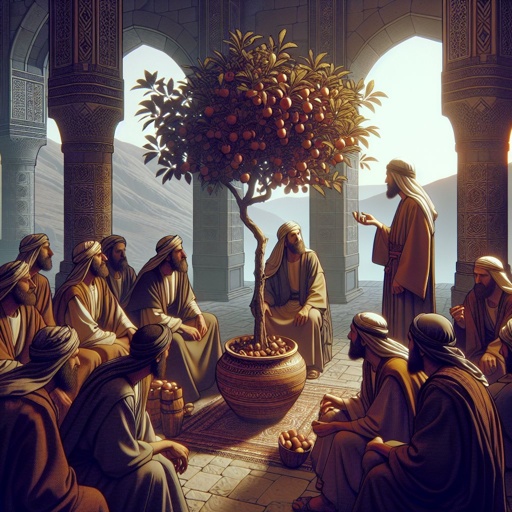
John 1:50 - "Jesus answered and said unto him, Because I said unto thee, I saw thee under the fig tree, believest thou? thou shalt see greater things than these."

"This is the bread which cometh down from heaven, that a man may eat thereof, and not die." - John 6:50
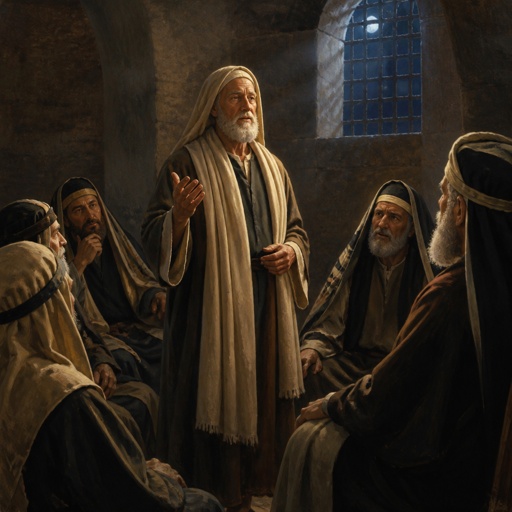
"Nicodemus saith unto them, (he that came to Jesus by night, being one of them,)" - John 7:50
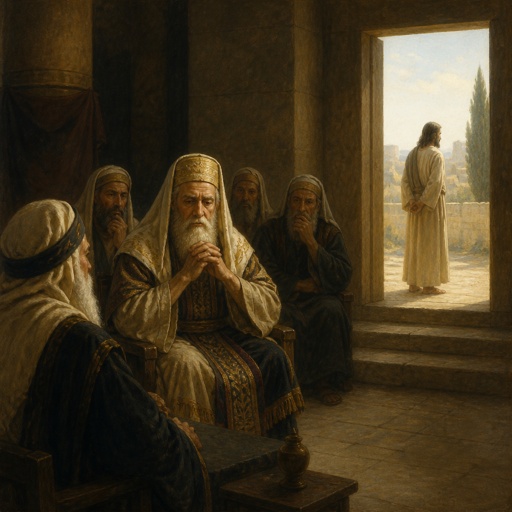
"Nor consider that it is expedient for us, that one man should die for the people, and that the whole nation perish not." - John 11:50

Jeremiah 50:4 - "¶ In those days, and in that time, saith the LORD, the children of Israel shall come, they and the children of Judah together, going and weeping: they shall go, and seek the LORD their God."

John 4:4 - "And he must needs go through Samaria."

John 4:16

John 3:4

John 4:16

John 4:16

John 4:16

John 4:16

John 4:16

John 4:16

John 4:16

John 3:4

John 4:16

John 4:16

John 4:16