The Power of Belief: Reflections on Jesus’ Miracles
“This is again the second miracle that Jesus did, when he was come out of Judæa into Galilee.” — John 4:54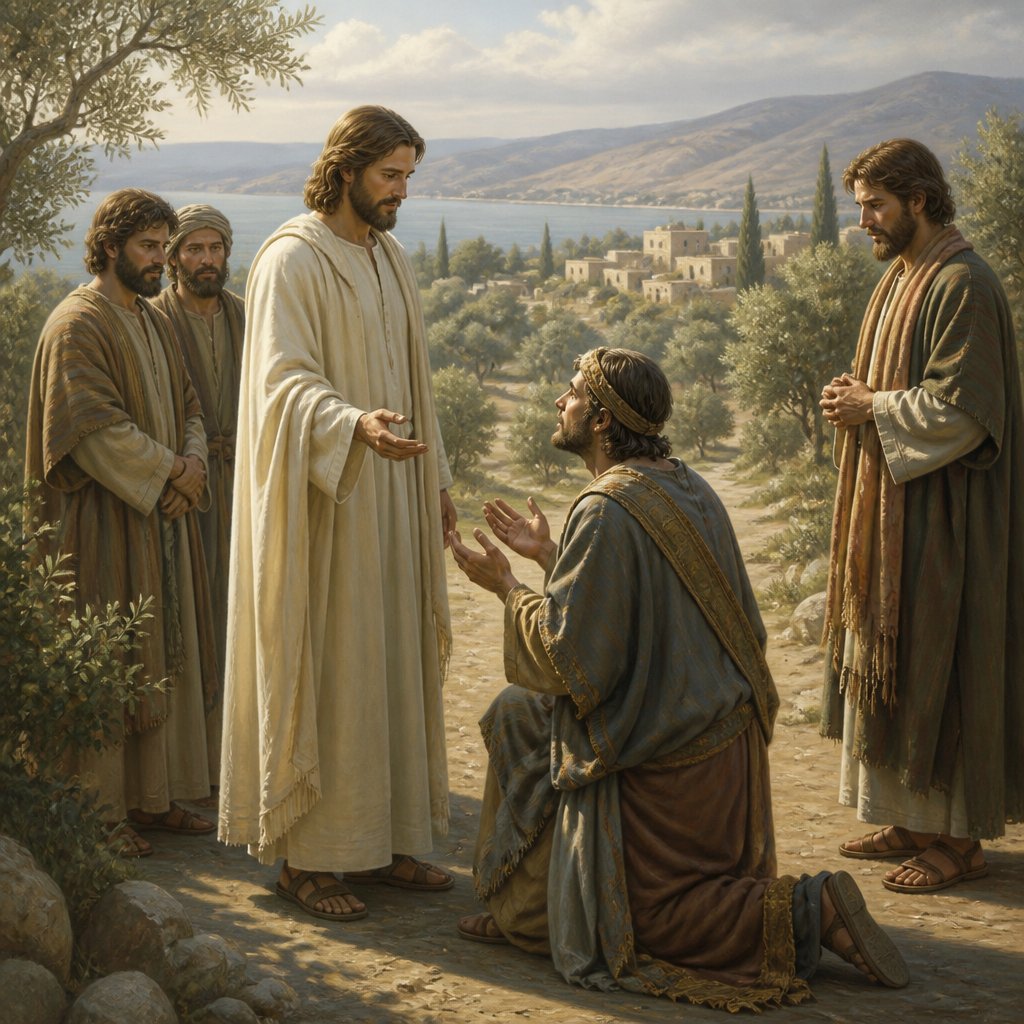
In the grand tapestry of the Gospel according to John, we find a rich vein of narrative that not only recounts the miraculous acts of Jesus but also reveals deeper truths about faith, belief, and the nature of Christ’s ministry. Today, we examine a pivotal moment situated in John 4:54, which states, "This is again the second miracle that Jesus did, when he was come out of Judaea into Galilee." This verse serves as a theological marker, highlighting not only the supernatural capabilities of Jesus but also the all-important aspect of belief in relation to miracles.
**Context of the Miracle**
The context of this miracle is essential in understanding its significance. Jesus had just returned to Galilee after His initial ministry in Judaea. The first miracle recorded in this Gospel was the turning of water into wine at the wedding at Cana (John 2:1-11). The second miracle, as mentioned in our verse, is the healing of the nobleman’s son, which occurs as Jesus travels to Galilee. These miracles are deliberate signs intended to reveal Jesus’ identity as the Son of God and to provoke a response from those who witness them.
**The Nature of Miracles**
Miracles, by their very nature, challenge the limits of human understanding. They invite us into a space where the divine intersects with the mundane. In the case of the nobleman’s son, we see a desperate father’s plea for Jesus’ intervention in a moment of crisis. His belief is palpable; he ventures to seek out Jesus, traveling considerable distances in hopes of healing for his sick child. This father’s desperation mirrors that of so many of us who, at various points in our lives, find ourselves at the end of our strength and are fervently seeking divine intervention.
One of the most profound aspects of this miracle is that it transcends physical distance. Jesus does not need to be present in the physical sense to effect healing. He merely speaks the word, and healing occurs. This points to the omnipotence of Jesus and the potency of His word. It reveals that geographical barriers don't inhibit the Holy Spirit's power, reinforcing the idea that faith can bridge any gap.
**Belief as a Catalyst for Change**
John 4:54 not only marks the event of the miracle but also emphasizes the importance of belief. The nobleman initially comes to Jesus in need, reflecting a sense of urgency and hope. However, his quest is soon met with the divine assurance found in Jesus’ words: “Go thy way; thy son liveth.” The nobleman believed Jesus’ word, and upon returning home, he found his son healed. Here lies a powerful lesson: belief acts as a catalyst for the miraculous. It is not merely the act of coming to Jesus that initiates change; it is the trust and faith placed in His authority and ability.
As believers in Christ today, we are reminded that the dynamic nature of faith transcends our understanding. Believing in Jesus means accepting that He can and will act on our behalf, even when circumstances seem hopeless. Our challenges – be it health, relationships, or spiritual battles – may lead us to approach Jesus with the heart of the nobleman, imploring His help.
**Conclusion: Our Response**
As we contemplate the miracle described in John 4:54, we are invited to reflect on our own beliefs. Are we pursuing Jesus earnestly in our times of need? Are we receptive to the miracles He wishes to perform in our lives? The challenge is not merely to believe in Jesus as a historical figure but to actively place our trust in His word today. Like the nobleman who returned home and found his son alive, let us go forth in faith, assured that by believing in Jesus, we open ourselves up to the transformative power of His miracles.
Let us pray for deepened faith, acknowledging that the same Jesus who performed miracles in Galilee is equally present in our lives today, ready to perform acts of love and restoration whenever we call on Him.
Get our apps


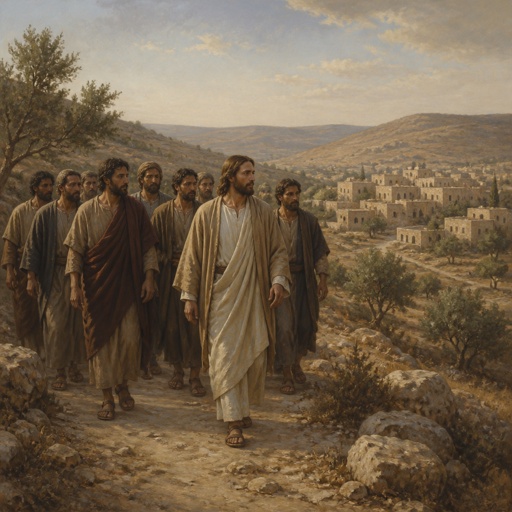
Artwork for John 4:54
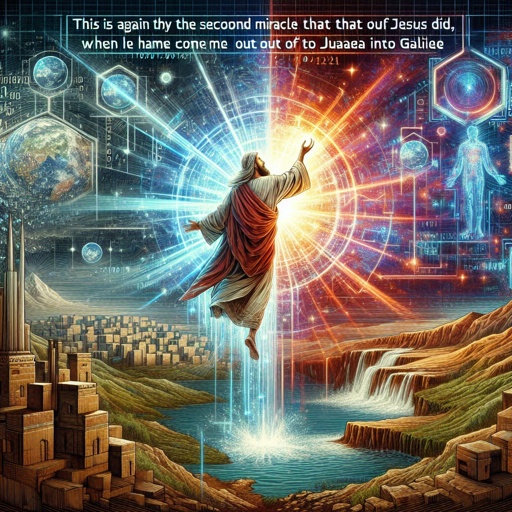
John 4:54 - "This is again the second miracle that Jesus did, when he was come out of Judaea into Galilee."
"This is again the second miracle that Jesus did, when he was come out of Judaea into Galilee." - John 4:54

Psalms 54:4 - "Behold, God is mine helper: the Lord is with them that uphold my soul."
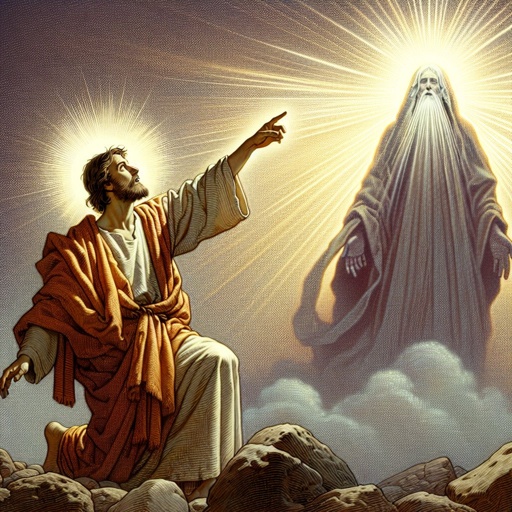
John 8:54 - "Jesus answered, If I honour myself, my honour is nothing: it is my Father that honoureth me; of whom ye say, that he is your God:"

John 6:54 - "Whoso eateth my flesh, and drinketh my blood, hath eternal life; and I will raise him up at the last day."

John 11:54 - "Jesus therefore walked no more openly among the Jews; but went thence unto a country near to the wilderness, into a city called Ephraim, and there continued with his disciples."

Luke 9:54 - "And when his disciples James and John saw this, they said, Lord, wilt thou that we command fire to come down from heaven, and consume them, even as Elias did?"
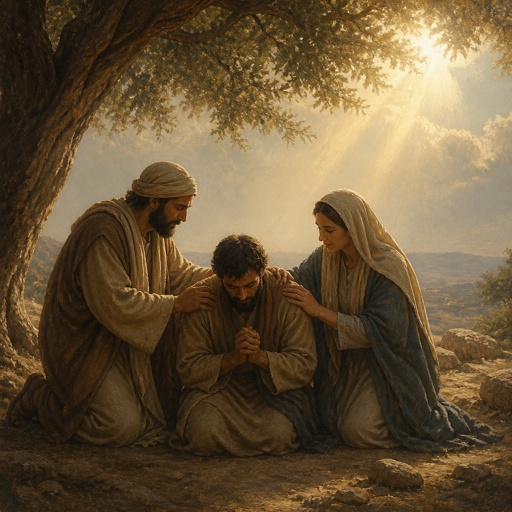
"Behold, God is mine helper: the Lord is with them that uphold my soul." - Psalms 54:4

Isaiah 54:4 - "Fear not; for thou shalt not be ashamed: neither be thou confounded; for thou shalt not be put to shame: for thou shalt forget the shame of thy youth, and shalt not remember the reproach of thy widowhood any more."
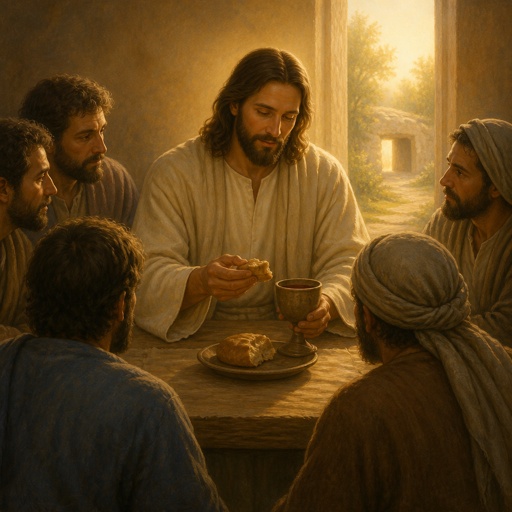
"Whoso eateth my flesh, and drinketh my blood, hath eternal life; and I will raise him up at the last day." - John 6:54
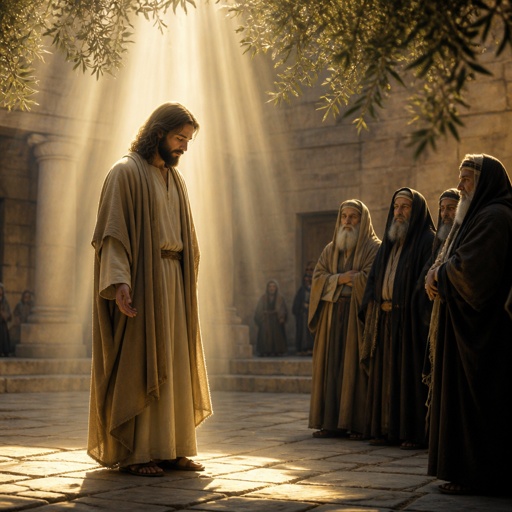
"Jesus answered, If I honour myself, my honour is nothing: it is my Father that honoureth me; of whom ye say, that he is your God:" - John 8:54
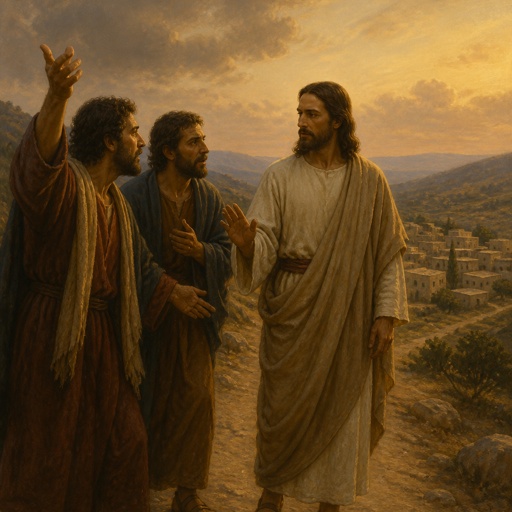
"And when his disciples James and John saw this, they said, Lord, wilt thou that we command fire to come down from heaven, and consume them, even as Elias did?" - Luke 9:54

John 4:4 - "And he must needs go through Samaria."
"Jesus therefore walked no more openly among the Jews; but went thence unto a country near to the wilderness, into a city called Ephraim, and there continued with his disciples." - John 11:54

John 4:16

John 3:4

John 4:16

John 4:16

John 4:16

John 4:16

John 4:16

John 4:16

John 4:16

John 3:4

John 4:16

John 4:16

John 4:16

John 3:4

John 4:16

John 4:16