Bread from Heaven: A Divine Provision
“Our fathers did eat manna in the desert; as it is written, He gave them bread from heaven to eat.” — John 6:31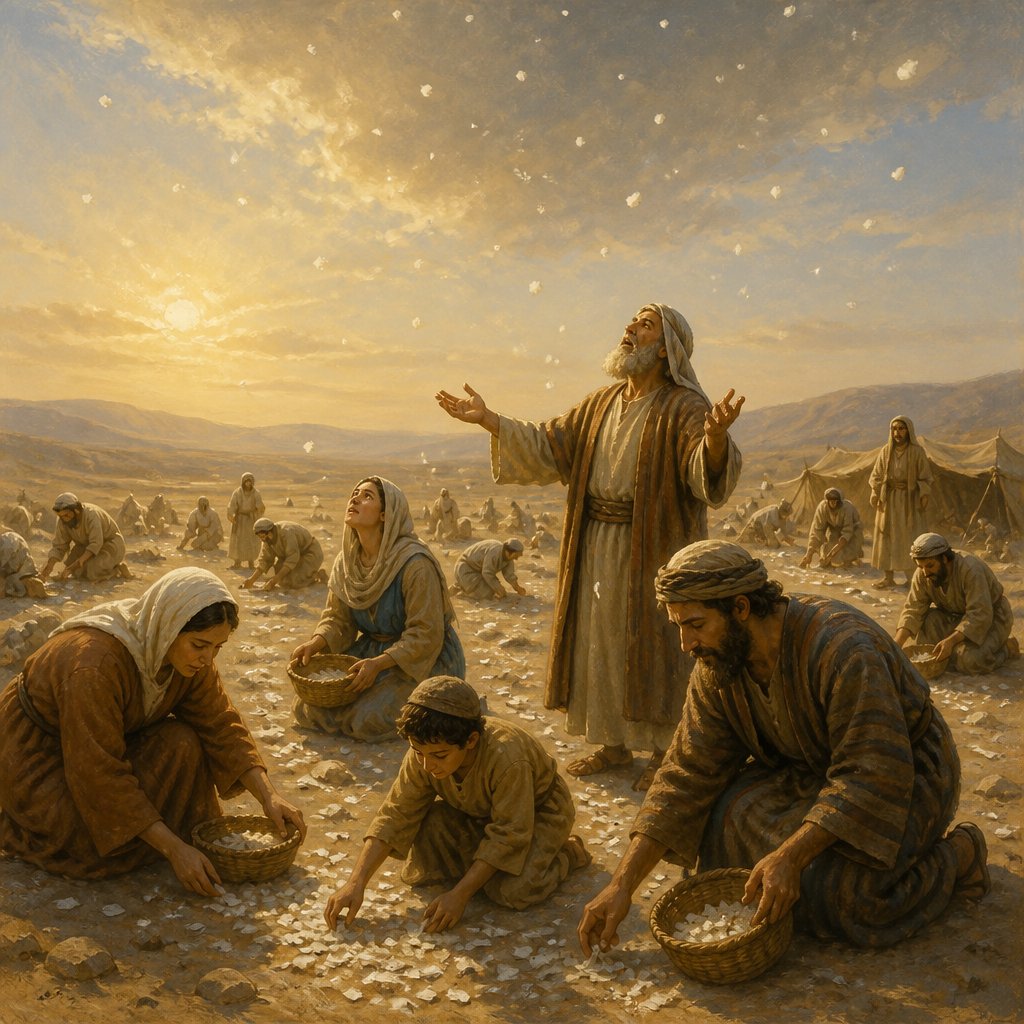
In John 6:31, the people remind Jesus, "Our fathers did eat manna in the desert; as it is written, He gave them bread from heaven to eat." This verse is not only a historical recollection but also a pivotal statement that sets the stage for deeper spiritual insight about God’s provision and the nature of Christ Himself.
Let us first put this verse in context. The people who spoke these words were inquiring about signs and sustenance. Their reference to the manna points back to the Exodus, where God provided miraculous bread from heaven to sustain the Israelites during their forty-year journey in the wilderness (Exodus 16). This daily provision was not merely a physical necessity; it symbolized God's faithfulness to His covenant people. It was a reminder that man’s true sustenance derives from God alone, not just physical food, but spiritual nourishment.
The mention of bread connects deeply to our human experience. In a world where we often depend on ourselves for our needs, we frequently overlook the divine hand that provides us with sustenance, security, and hope. Just as the Israelites could not harvest for themselves what God supernaturally provided, we are reminded that our abilities and resources are ultimately gifts from God. We may plan our meals and budgets, but our daily allowances come from a heavenly source. Each meal, then, should kindle gratitude for heavenly provision, echoing the recognition that every good and perfect gift comes from above (James 1:17).
Moreover, when Jesus acknowledges the reference to manna, He expands its meaning. As the narrative unfolds, He declares, "I am the bread of life: he that cometh to me shall never hunger; and he that believeth on me shall never thirst" (John 6:35). Here, Jesus takes the physical act of eating to illustrate a deeper spiritual reality. The bread from heaven is not just sustenance; it is a symbol of His life-giving power. The manna was temporary, sustaining life in the wilderness but insufficient for eternal satisfaction. In contrast, Jesus offers Himself as the eternal bread, indicating that only in Him can we find true fulfillment.
This revelation calls us to reflect on our spiritual diets. Are we seeking to be fed by the transient offerings of this world—wealth, fame, or fleeting pleasures? Or are we thoughtfully coming to Christ, the true Bread of Life, to find sustenance that leads to eternal significance? Jesus invites us to partake in His life through faith, prayer, and His teachings. He is the bread that nourishes our souls, providing peace and joy that transcends our circumstances.
Furthermore, the assertion of divine provision in this verse challenges us to live out our faith in ways that reflect our dependence on Christ. As believers, we are called to share this bread—Christ’s love and grace—with others. Just as the manna was a communal provision, designed for the whole community of Israel, our faith should lead us to serve one another, offering encouragement and tangible help to those in need. The remembrance of the manna should ignite our passion to assist others in finding and experiencing the Bread of Life.
In summation, John 6:31 serves as an important reminder of God’s provision in both historical and spiritual contexts. As we reflect on this truth, let us nurture a deep gratitude for God’s daily provision in our lives while pursuing a deeper relationship with Christ, our Heavenly Bread. In a world that often feels spiritually barren, may we always turn to Him, recognizing that in Him we find life and sustenance eternal.
Get our apps


Artwork for John 6:31

John 6:31 - "Our fathers did eat manna in the desert; as it is written, He gave them bread from heaven to eat."
"Our fathers did eat manna in the desert; as it is written, He gave them bread from heaven to eat." - John 6:31

John 20:30-31

John 13:31-35

John 5:31 - "If I bear witness of myself, my witness is not true."

John 10:31 - "Then the Jews took up stones again to stone him."

John 16:31 - "Jesus answered them, Do ye now believe?"

John 4:31 - "¶ In the mean while his disciples prayed him, saying, Master, eat."

John 12:31 - "Now is the judgment of this world: now shall the prince of this world be cast out."
John 1:6 - "¶ There was a man sent from God, whose name was John."

John 6:63

John 6:63

John 6:63

John 6:63

John 13:31 - "¶ Therefore, when he was gone out, Jesus said, Now is the Son of man glorified, and God is glorified in him."

John 1:31 - "And I knew him not: but that he should be made manifest to Israel, therefore am I come baptizing with water."
John 6:12

John 6:40

John 21:6

John 14:6

John 8:31 - "Then said Jesus to those Jews which believed on him, If ye continue in my word, then are ye my disciples indeed;"

John 9:31 - "Now we know that God heareth not sinners: but if any man be a worshipper of God, and doeth his will, him he heareth."

John 6:16

John 21:6

John 6:37

John 21:6

John 21:6

John 6:40
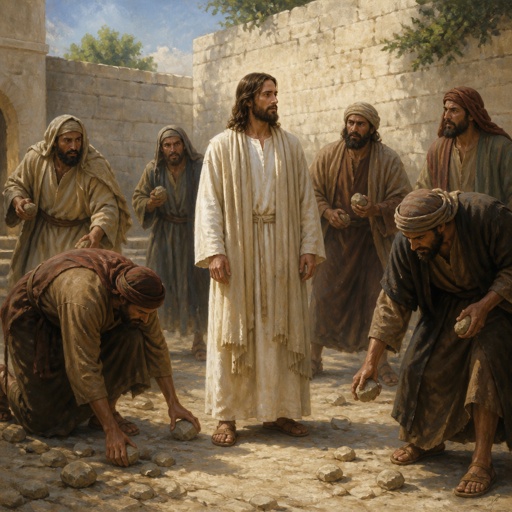
"Then the Jews took up stones again to stone him." - John 10:31
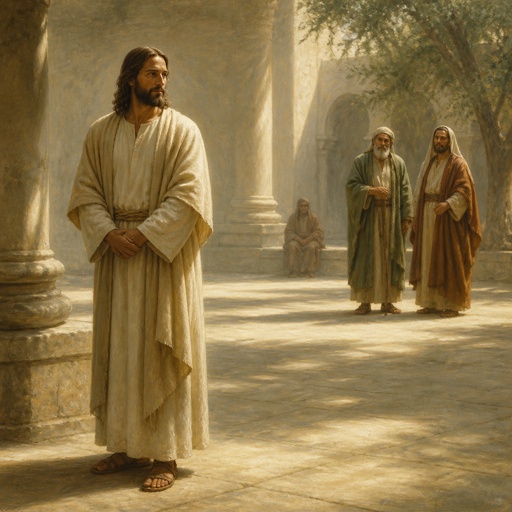
"If I bear witness of myself, my witness is not true." - John 5:31