The Mystery of His Origin: Embracing the Divine Nature of Jesus
“And they said, Is not this Jesus, the son of Joseph, whose father and mother we know? how is it then that he saith, I came down from heaven?” — John 6:42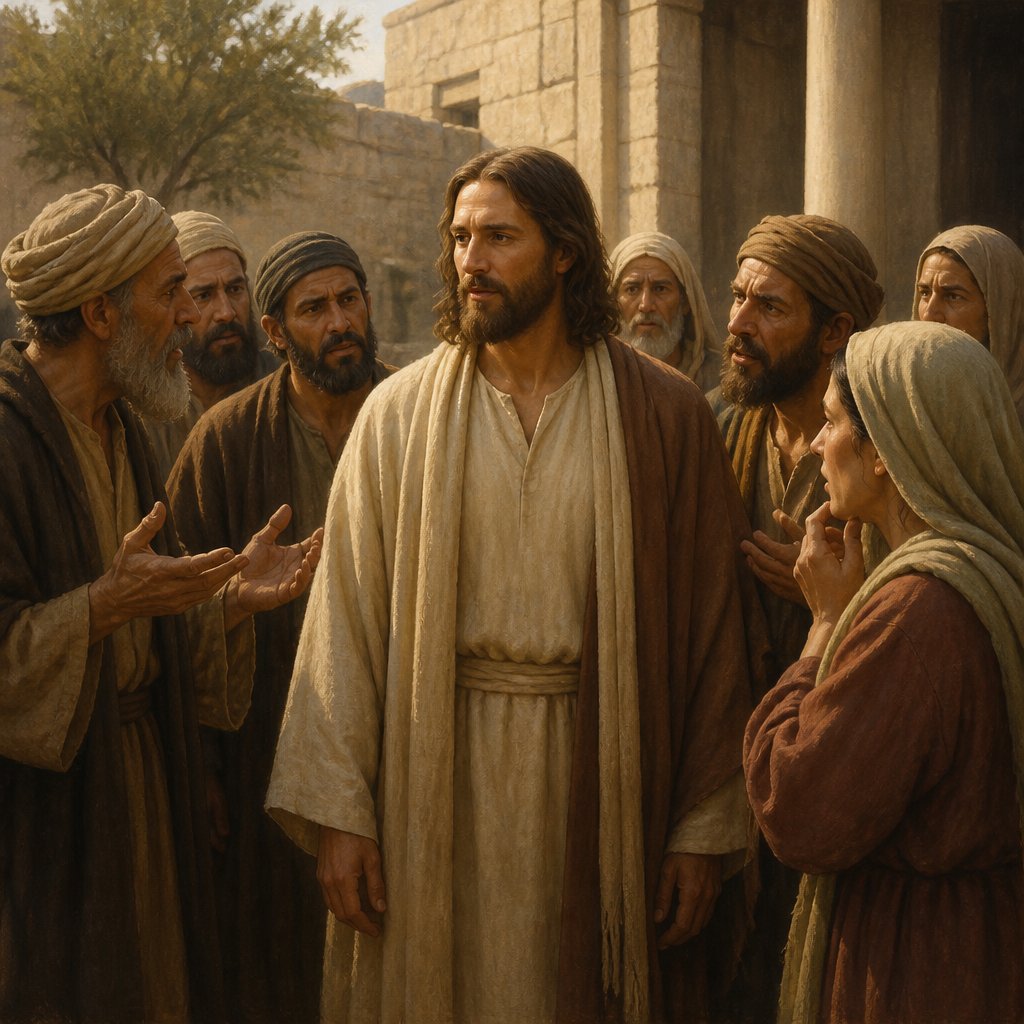
In the Gospel of John, chapter six, we encounter a pivotal moment in the life and ministry of Jesus where His divine identity is questioned by those familiar with His earthly origins. John 6:42 states, "And they said, Is not this Jesus, the son of Joseph, whose father and mother we know? how is it then that he saith, I came down from heaven?"
This verse encapsulates a profound tension that exists between human comprehension and divine revelation. The townspeople of Nazareth, who grew up with Jesus, could not reconcile the miraculous claims He made about His origin with the familiarity they felt for Him as the son of Joseph. This moment serves as a haunting reminder that the extraordinary often lurks within the ordinary, challenging our perceptions and forcing us to delve deeper into the mysteries of faith.
The question posed by the crowd carries heavy implications, reflecting a human tendency to define individuals by their immediate surroundings or familial ties. They grappled with their knowledge of Jesus' parents as if earthly lineage could encapsulate His entire identity. In a world captivated by appearances and social status, we, too, can fall into the trap of limiting Jesus to our personal understanding or cultural narratives. He is often viewed through the lens of human limitations rather than appreciated as the divine Son of God who transcends earthly bounds.
Jesus’ declaration that He “came down from heaven” signifies a radical claim that divides the divine from the mundane. It invites us to confront the duality of His nature; He is both fully human and fully divine. This conception stretches our understanding, as we attempt to grasp the reality of a Savior who walked among us yet held the cosmos in His hands. How can one simultaneously be Joseph’s son and the eternal Word made flesh?
As we meditate on this moment, we are confronted with the question of our own faith. Do we take Jesus at His word even when His nature defies our earthly logic? They struggled to see beyond the carpenter’s son, while we often wrestle with limitations of our understanding. The call to faith demands a recognition of the mystery that envelops Jesus’ life and mission. In faith, we move beyond skepticism and embrace a reality of a Savior who, while known to us, exceeds every expectation.
In embracing the truth of His divine descent, we also find reassurance and inspiration. The God who came down from heaven did so because of love and desire for relationship with humanity. He entered our world not as a distant figure but as a neighbor; willing to experience human life intimately. How astonishing is it that Jesus, in His divinity, chose to bridge the gap between unblemished holiness and broken humanity? It is an invitation—to meet Him in the everyday experiences of our lives, recognizing that our highest understanding of Him will always fall short.
In our prayers and worship, let us remember to approach Jesus with awe and reverence. Although He can be intimately known as Abba Father, He also reigns with power and majesty. The humanity of Jesus assures us that our struggles are understood; His divinity assures us that He has the power to redeem and transform our lives. When faced with doubt, let us echo the words of Thomas, “My Lord and my God” (John 20:28). In doing so, we embrace the fullness of who Jesus is.
Ultimately, as we reflect on John 6:42, may we choose faith over familiarity, allowing our hearts to be stirred by the mystery of Christ. The world may challenge our belief in Him, but our response can be unwavering trust that He is, indeed, the Son of God who came down from heaven for our redemption.
Get our apps


Artwork for John 6:42

John 6:42 - "And they said, Is not this Jesus, the son of Joseph, whose father and mother we know? how is it then that he saith, I came down from heaven?"
"And they said, Is not this Jesus, the son of Joseph, whose father and mother we know? how is it then that he saith, I came down from heaven?" - John 6:42

John 1 29-42

John 1 29-42

John 10:42 - "And many believed on him there."

John 1 29-42

John 1 29-42

"And many believed on him there." - John 10:42

John 5:42 - "But I know you, that ye have not the love of God in you."

John 19:42 - "There laid they Jesus therefore because of the Jews' preparation day; for the sepulchre was nigh at hand."

Mark 6:42 - "And they did all eat, and were filled."

John 7:42 - "Hath not the scripture said, That Christ cometh of the seed of David, and out of the town of Bethlehem, where David was?"

1 Chronicles 6:42 - "The son of Ethan, the son of Zimmah, the son of Shimei,"

Job 42:6 - "Wherefore I abhor myself, and repent in dust and ashes."

John 11:42 - "And I knew that thou hearest me always: but because of the people which stand by I said it, that they may believe that thou hast sent me."

"And they did all eat, and were filled." - Mark 6:42
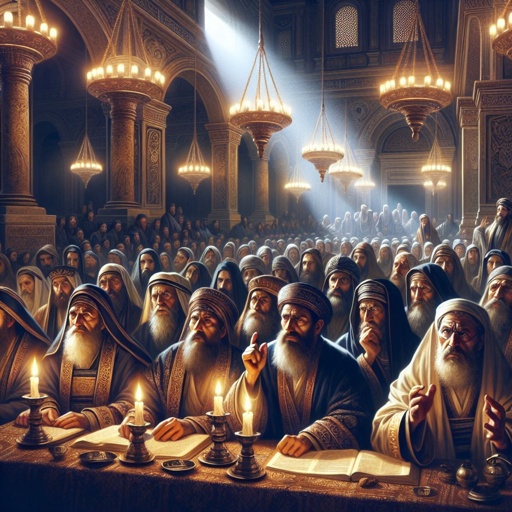
John 12:42 - "¶ Nevertheless among the chief rulers also many believed on him; but because of the Pharisees they did not confess him, lest they should be put out of the synagogue:"

"But I know you, that ye have not the love of God in you." - John 5:42

John 4:42 - "And said unto the woman, Now we believe, not because of thy saying: for we have heard him ourselves, and know that this is indeed the Christ, the Saviour of the world."

2 Chronicles 6:42 - "O LORD God, turn not away the face of thine anointed: remember the mercies of David thy servant."

John 7:42 Has not the Scripture said that the Christ comes from the seed of David and from the town of Bethlehem, where David was?”
John 1:6 - "¶ There was a man sent from God, whose name was John."

"There laid they Jesus therefore because of the Jews' preparation day; for the sepulchre was nigh at hand." - John 19:42

John 6:63

John 6:63

John 1:42 - "And he brought him to Jesus. And when Jesus beheld him, he said, Thou art Simon the son of Jona: thou shalt be called Cephas, which is by interpretation, A stone."

"Wherefore I abhor myself, and repent in dust and ashes." - Job 42:6

"The son of Ethan, the son of Zimmah, the son of Shimei," - 1 Chronicles 6:42

Ezekiel 42:6 - "For they were in three stories, but had not pillars as the pillars of the courts: therefore the building was straitened more than the lowest and the middlemost from the ground."

John 6:63