Eternal Sustenance: The Bread from Heaven
“This is the bread which cometh down from heaven, that a man may eat thereof, and not die.” — John 6:50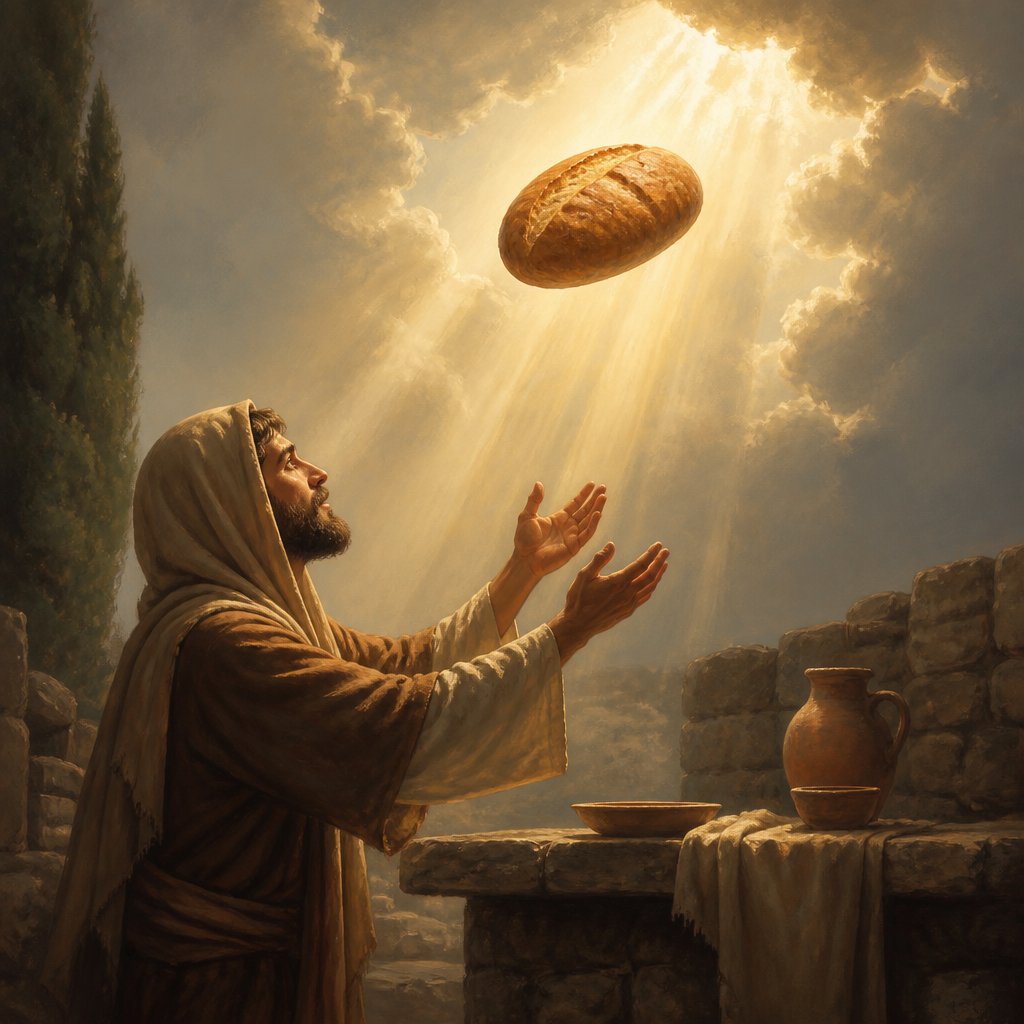
In the Gospel of John, chapter 6, verse 50 states, "This is the bread which cometh down from heaven, that a man may eat thereof, and not die." This profound declaration, made by Jesus, speaks to the very essence of our spiritual sustenance and the eternal life promised to those who believe in Him. As we ponder these words, we are invited into a deeper understanding of the nature of Christ as the Bread of Life, the sustainer of our souls, and the source of everlasting life.
When Jesus referred to Himself as the bread from heaven, He was drawing a distinct comparison to the manna that sustained the Israelites during their journey through the wilderness. In Exodus 16, we read about how God provided manna from heaven to nourish the people. Yet, as Jesus explained later in this chapter, that manna was temporary; it served only to sustain physical life for a time. Those who partook of it still faced physical death, as its ability to nourish was limited to earthly existence. However, the bread that Jesus offers transcends this temporary provision. It is not just food for our bodies; it is essential nourishment for our souls that leads to eternal life.
The significance of Jesus being the bread from heaven is multifaceted. First and foremost, it highlights the divine origin of His sustenance. Unlike earthly bread which is produced through human effort, this 'bread' comes directly from the Father, offering a direct connection to God. It signifies God's provision for humanity's deepest need—spiritual nourishment which results in eternal life rather than physical sustenance which is fleeting.
Moreover, the imagery of bread evokes feelings of comfort, community, and sustenance. Bread is a staple in many cultures, often associated with hospitality and warmth. In the context of our relationship with Christ, it signifies a personal and intimate communion. Jesus invites us to partake in Him, to embrace His teachings and allow His presence to fill the voids within our hearts. When we come to Him, we find sustenance for our weary souls, strength in our weakness, and hope in despair.
To partake of this heavenly bread requires an act of faith. Jesus is not merely offering a one-time experience of enlightenment or a physical meal, but a continual relationship with Him, where one must regularly engage with His word, partake in His teachings, and live out His love. This ongoing communion is an acknowledgment that our lives are sustained by Him. It is a reminder that, as we consume the spiritual bread of life, we are transformed, nourished, and equipped to live according to His will.
As we reflect on the implications of this verse, we must ask ourselves: are we feasting on the bread of life, or are we still searching for fulfillment in the things of the world? Do we allow Christ to fill us, or do we seek satisfaction from temporary pleasures that ultimately leave us hungry again? Jesus declares that those who partake of Him will never hunger or thirst again. This promise is an invitation to trust in His provision and to embrace the life-giving relationship that He offers.
Indeed, this bread does more than just prevent physical death; it offers eternal life. It assures us that in a world that is fleeting and filled with uncertainty, we have a source of hope that is both certain and everlasting. In coming to Jesus, we are guaranteed not just survival but victory over spiritual death—the ultimate separation from God.
Let us, therefore, embrace this bread that comes down from heaven with open hearts. As we consume it—through prayer, meditation on His Word, and fellowship with one another—we are reminded that we partake in a life that is abundant and eternal. May we remember the constant invitation of Christ as our eternal sustenance, and may we share this bread with others, leading them to the source of life that never ends.
Get our apps


Artwork for John 6:50

John 6:50 - "This is the bread which cometh down from heaven, that a man may eat thereof, and not die."

John 6:50 - "This is the bread which cometh down from heaven, that a man may eat thereof, and not die."

John 6:50 - "This is the bread which cometh down from heaven, that a man may eat thereof, and not die."
"This is the bread which cometh down from heaven, that a man may eat thereof, and not die." - John 6:50

John 8:50 - "And I seek not mine own glory: there is one that seeketh and judgeth."

John 7:50 - "Nicodemus saith unto them, (he that came to Jesus by night, being one of them,)"

John 11:50 - "Nor consider that it is expedient for us, that one man should die for the people, and that the whole nation perish not."

Psalms 50:6 - "And the heavens shall declare his righteousness: for God is judge himself. Selah."
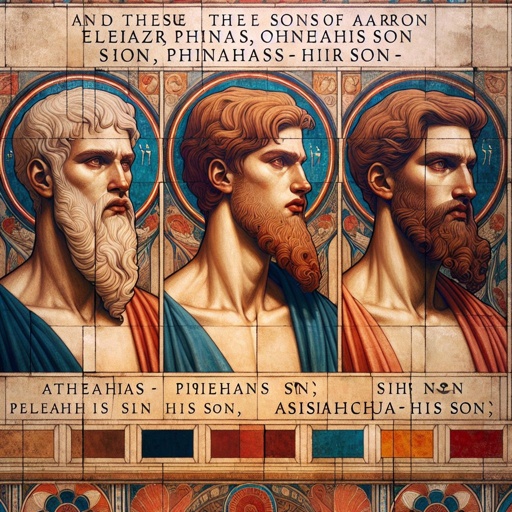
1 Chronicles 6:50 - "And these are the sons of Aaron; Eleazar his son, Phinehas his son, Abishua his son,"

John 12:50 - "And I know that his commandment is life everlasting: whatsoever I speak therefore, even as the Father said unto me, so I speak."
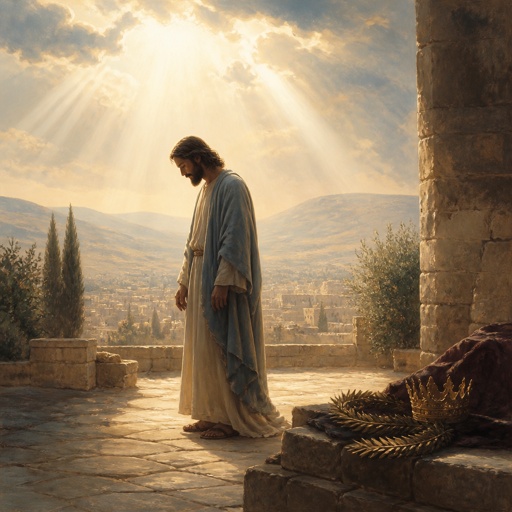
"And I seek not mine own glory: there is one that seeketh and judgeth." - John 8:50

Genesis 50:6 - "And Pharaoh said, Go up, and bury thy father, according as he made thee swear."

Mark 6:50 - "For they all saw him, and were troubled. And immediately he talked with them, and saith unto them, Be of good cheer: it is I; be not afraid."

John 4:50 - "Jesus saith unto him, Go thy way; thy son liveth. And the man believed the word that Jesus had spoken unto him, and he went his way."

Isaiah 50:6 - "I gave my back to the smiters, and my cheeks to them that plucked off the hair: I hid not my face from shame and spitting."
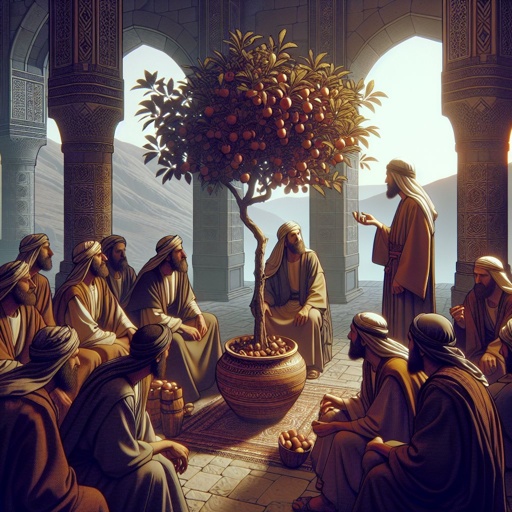
John 1:50 - "Jesus answered and said unto him, Because I said unto thee, I saw thee under the fig tree, believest thou? thou shalt see greater things than these."
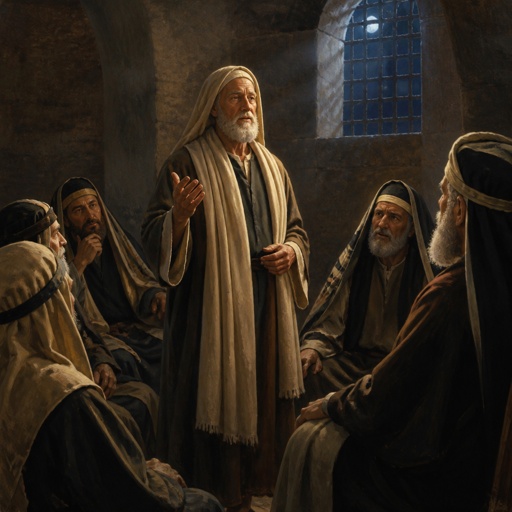
"Nicodemus saith unto them, (he that came to Jesus by night, being one of them,)" - John 7:50

"And the heavens shall declare his righteousness: for God is judge himself. Selah." - Psalms 50:6
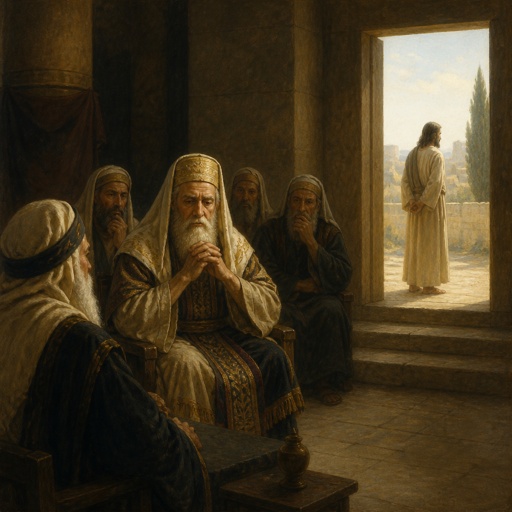
"Nor consider that it is expedient for us, that one man should die for the people, and that the whole nation perish not." - John 11:50

John 1:6 - "¶ There was a man sent from God, whose name was John."

John 6:63

John 6:63

John 6:63

John 6:63
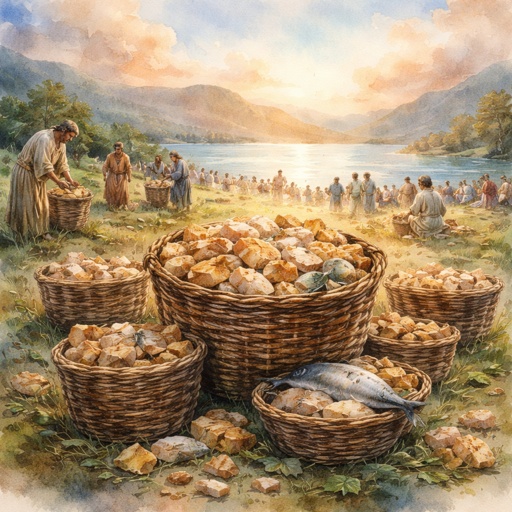
John 6:12

John 6:40

John 21:6

John 14:6

Jeremiah 50:6 - "My people hath been lost sheep: their shepherds have caused them to go astray, they have turned them away on the mountains: they have gone from mountain to hill, they have forgotten their restingplace."

John 6:16