The Limitations of Our Perception
“Philip answered him, Two hundred pennyworth of bread is not sufficient for them, that every one of them may take a little.” — John 6:7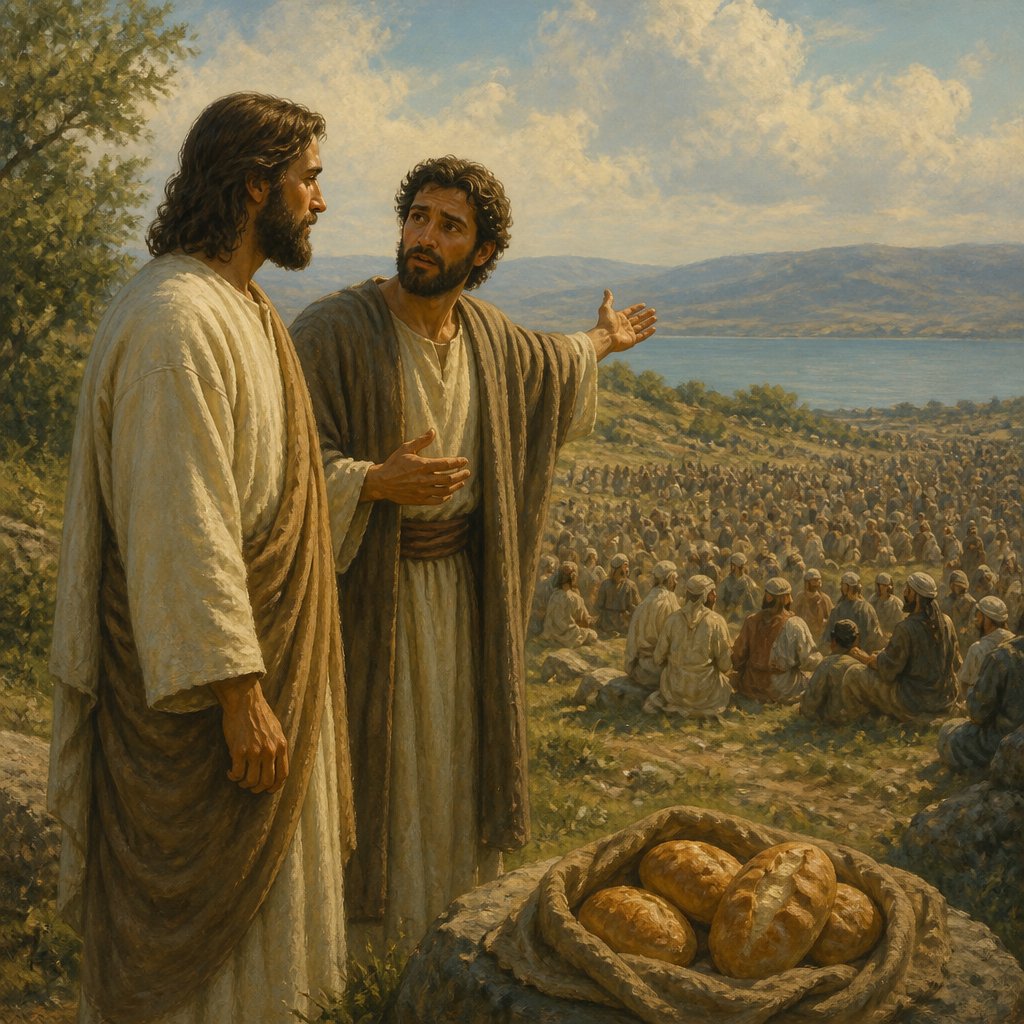
In John 6:7, we find Philip grappling with the daunting challenge that looms before him and the other disciples. The verse states, "Philip answered him, Two hundred pennyworth of bread is not sufficient for them, that every one of them may take a little." In this passage, we witness not just a moment of despair but a profound insight into the limitations of human perception when confronted with divine potential.
The context of this scripture is crucial to understanding its significance. Earlier in the chapter, Jesus had just performed miracles and continued to gather a multitude of people, and as the day wore on, the crowd grew hungry. The disciples, including Philip, were tasked with the burden of feeding these five thousand men, not counting women and children. There, they stood, faced with a staggering need and limited resources.
Philip's response reveals his immediate reaction to the problem. He quantifies the need in terms of money, expressing pessimism about the feasibility of their task. Let’s analyze Philip's answer. "Two hundred pennyworth of bread" estimates the total worth of bread they could purchase with their resources, suggesting it was an enormous amount in terms of daily wages. Philip’s logical thinking leads him to a conclusion rooted in scarcity: even if they spent all their money, it still wouldn't be enough. This reaction is an all-too-common response when we are overwhelmed with challenges—our natural inclination is often to calculate our resources against the enormity of the task at hand.
However, how often do we size up our problems based on our worldly understanding and forget the limitless power of God? Jesus, who was fully aware of the hunger of the multitude, had no intention of merely meeting their needs on Philip's terms. Instead, He was inviting them into a miraculous demonstration of His providence and power. Jesus, after all, had already performed numerous miracles that bore witness to His divine authority. Yet here’s Philip, focused on the scarcity rather than the richness of God’s provision.
How relatable this situation is for us! When faced with challenges, whether they are financial, emotional, or spiritual, we often mirror Philip’s calculation. We divide and analyze our resources, looking for what we can do with what we have, and in doing so, we overlook what God can do with what seems insufficient.
We must remember that Jesus specializes in taking our 'not enough' and making it more than sufficient. This key transition in thinking—shifting from limitation to faith—is at the heart of our walk with Him. Real faith does not remain trapped in the bounds of our understanding or our external circumstances. Rather, it invites us to tap into the divine resourcefulness of God.
Let us consider the implications of Philip’s statement in our own lives. Are we guilty of assessing our difficulties through the narrow lens of our abilities? Are we allowing ourselves to become paralyzed by the size of our challenges? In the face of underwhelming resources, we need to shift our focus towards Jesus.
In our weaknesses, we discover His strength. In our lack, we unveil His abundance. Jesus didn’t rebuke Philip for his assessment; instead, He used it as a moment to instruct and reveal His glory. Later in this chapter, through the miracle of feeding the five thousand, we see Jesus apply this principle of divine sufficiency.
As we navigate the complexities of life, may we shift from a perspective of limitation to one of hope that recognizes God’s boundless capability. Instead of saying, "It’s not enough," let us turn our hearts to Jesus and embrace prayer, faith, and community, believing that He will bring forth blessings even from the smallest offerings. Let us trust that with Him, our 'not enough' can truly become more than sufficient.
Get our apps


Artwork for John 6:7

John 6:7 - "Philip answered him, Two hundred pennyworth of bread is not sufficient for them, that every one of them may take a little."
"Philip answered him, Two hundred pennyworth of bread is not sufficient for them, that every one of them may take a little." - John 6:7

John 4:6-7

John 7:6 - "Then Jesus said unto them, My time is not yet come: but your time is alway ready."
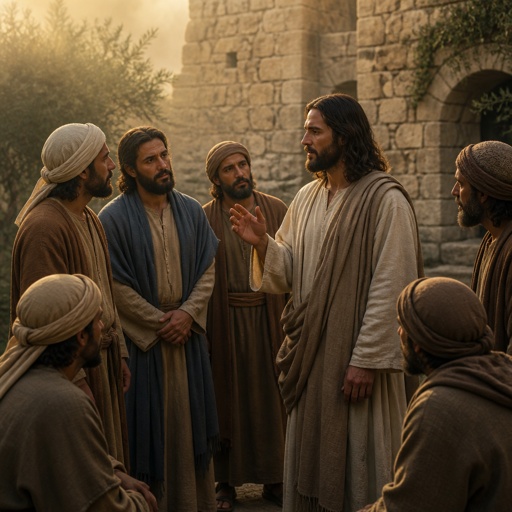
"Then Jesus said unto them, My time is not yet come: but your time is alway ready." - John 7:6

John 1:6 - "¶ There was a man sent from God, whose name was John."

John 6:63

John 6:63

John 7:38

John 15:7

John 7:38

John 6:63

John 6:63

John 7:38

John 15:7

John 7:38

John 7:17-18

John 7:37-39

John 7:17-18

John 7:37-39

John 9:6-7 - "After saying this, he spit on the ground, made some mud with the saliva, and put it on the man’s eyes. "Go," he told him, "wash in the Pool of Siloam" (this word means "Sent"). So the man went and washed, and came home seeing."

John 7:17-18

John 7:17-18
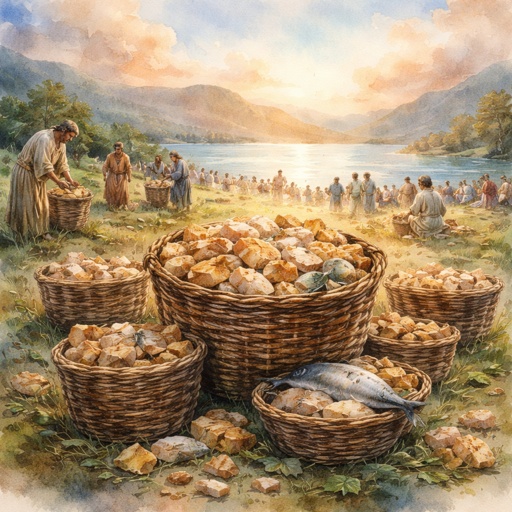
John 6:12

John 6:40

John 21:6

John 14:6

John 7:38

John 21:6

John 6:16