The Eternal Lawgiver and Our Reluctance to Obey
“Did not Moses give you the law, and yet none of you keepeth the law? Why go ye about to kill me?” — John 7:19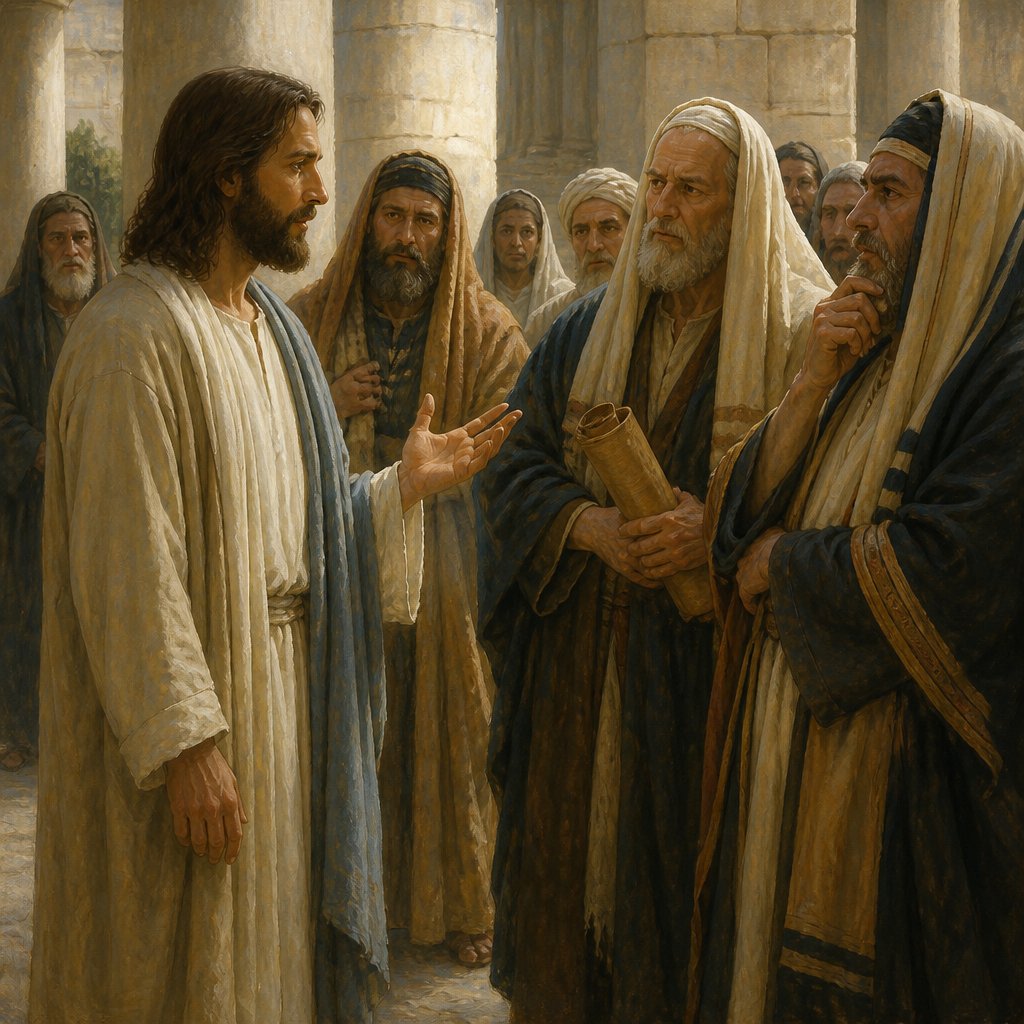
In John 7:19, Jesus poses a vital question to those who confront Him regarding His teachings and actions: "Did not Moses give you the law, and yet none of you keepeth the law? Why go ye about to kill me?" This verse serves as both an indictment and a profound teaching moment, urging us to examine our relationship with God’s law and the heart behind our actions.
The context here is critical; Jesus is speaking at the Feast of Tabernacles, a time of celebration and remembrance for the Jewish people. The atmosphere is charged with expectation, tradition, and the Law that Moses had delivered centuries before. Yet, amid this religious fervor, there is a stark reality: the very people who claim to uphold the Law are, in their intent, seeking to murder the one who fulfills it. This paradox punctuates the human condition: our inability to live up to the standards we profess.
When Christ asks, "Did not Moses give you the law?" He is recalling the covenant established at Sinai. This law was meant to guide and set apart the people of Israel as a nation that reflected God’s holiness. It was comprehensive, covering not only moral and ethical standards but rituals and social justice. The purpose was clear – to bring people closer to God, to instruct them on how to live righteously, and to showcase His character to the surrounding nations. Yet Jesus highlights a critical failure. Although they had received the law, they did not keep it. This statement reveals a deeper spiritual principle about our capacity to know right from wrong and yet still wander into disobedience.
As readers today, we must grapple with this same tension. The Law, both Old and New Testament teachings, reflects God’s character and desires for our lives. Yet, we too find ourselves in a cycle of knowing what is right while falling short in practice. Paul writes in Romans 7:15, "For that which I do I allow not: for what I would, that do I not; but what I hate, that do I." Our hearts often echo this sentiment of wanting to obey but struggling in our execution.
Jesus pushes the conversation further with, "Why go ye about to kill me?" This question not only addresses the immediate hostility He faces but also challenges their understanding of true righteousness. The Law was fulfilled in Jesus, yet those standing against Him were blinded by tradition, self-righteousness, and a fear of losing their power. They failed to recognize that the very embodiment of the Law they professed to enforce was standing before them. This moment serves as a mirror too. Often, we find ourselves in opposition to God’s movement in our lives, veiling our eyes with our interpretations of right and wrong based on convenience or control.
As we ponder this verse, we are called into introspection. Where in our lives do we see the law of God yet fail to live it out? Is there an area where we have become self-righteous, holding others accountable while ignoring our shortcomings? Are we also, at times, resistant to the very truth God wants to reveal to us?
To respond to Jesus effectively, we must embrace humility. To acknowledge our failures before the Lord is the first step to transformation. We are invited to lay down our defenses, recognize our need for grace, and seek the Holy Spirit’s guidance in adhering to God's Word. Let John 7:19 encourage us not only to reflect on our allegiances but also to embrace the grace offered through Christ, the ultimate Lawgiver, who fulfilled the law perfectly on our behalf. May we be a people who hears the law, embraces it, and lives it out in the light of His presence.
Get our apps


Artwork for John 7:19
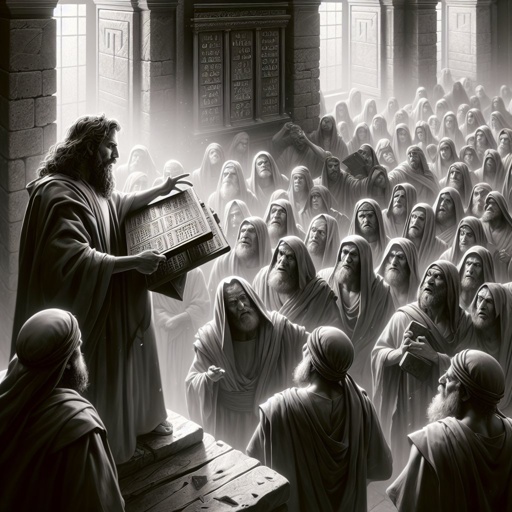
John 7:19 - "Did not Moses give you the law, and yet none of you keepeth the law? Why go ye about to kill me?"
"Did not Moses give you the law, and yet none of you keepeth the law? Why go ye about to kill me?" - John 7:19
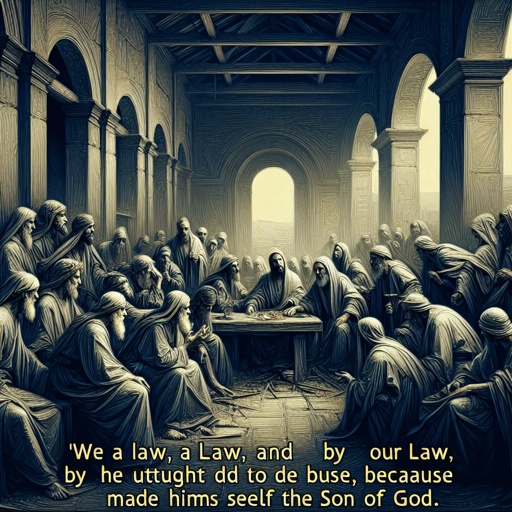
John 19:7 - "The Jews answered him, We have a law, and by our law he ought to die, because he made himself the Son of God."

Luke 7:19 - "¶ And John calling unto him two of his disciples sent them to Jesus, saying, Art thou he that should come? or look we for another?"

John 19:38

John 19:1

John 19:19 - "¶ And Pilate wrote a title, and put it on the cross. And the writing was, JESUS OF NAZARETH THE KING OF THE JEWS."

John 17.6-19

John 19:1-3

John 19:25-27

John 7:38

John 15:7

John 7:38

John 1:19 - "¶ And this is the record of John, when the Jews sent priests and Levites from Jerusalem to ask him, Who art thou?"

John 19:25-27

John 19:26-27

John 21:15-19

John 15:7

John 7:38

John 7:38

John 7:17-18

John 7:37-39

John 7:17-18

John 7:37-39

John 10:19 - "¶ There was a division therefore again among the Jews for these sayings."

John 7:17-18

John 7:17-18

John 7:38

John 19:1 - "Then Pilate therefore took Jesus, and scourged him."

John 7:38