Judgment and Compassion: Understanding the Heart of God's Law
“Doth our law judge any man, before it hear him, and know what he doeth?” — John 7:51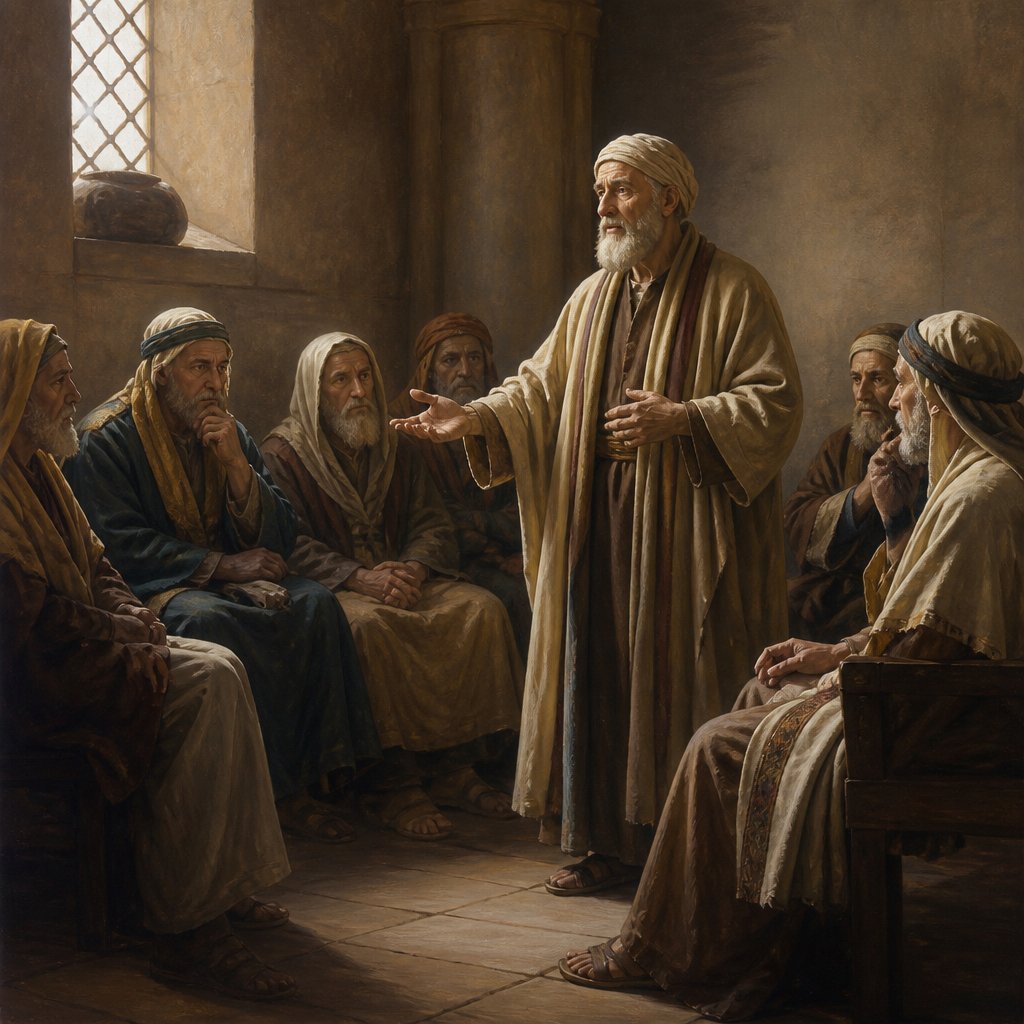
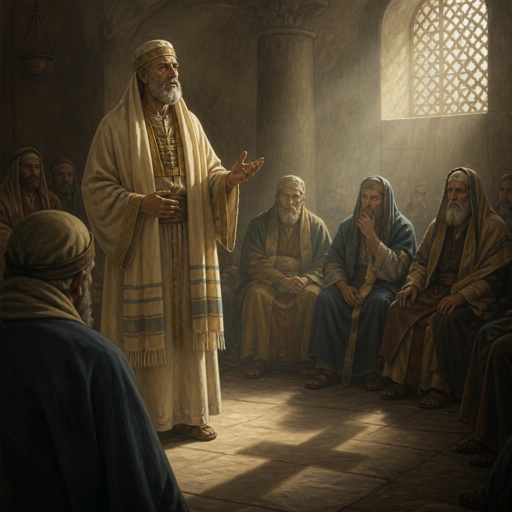
In John 7:51, we encounter a profound inquiry that resonates deeply within the context of justice, compassion, and the human condition. The verse states, "Doth our law judge any man, before it hear him, and know what he doeth?" This question, posed by Nicodemus amidst a heated debate about Jesus’ authority and identity, reveals a critical theme in the narrative: the essence of impartiality and the principle of justice grounded in understanding.
To comprehend the weight of Nicodemus’s question, we must first explore the cultural and legal backdrop of the time. The Jewish law, deeply rooted in the Torah, stressed the importance of justice, mercy, and truth. In Deuteronomy 1:16-17, we see the mandate for leaders to hear cases without partiality, to judge righteously, and to display fairness regardless of one’s social status. This principle echoed through the centuries, yet human interpretation often complicated its application.
As Nicodemus stands in the midst of his fellow Pharisees, who were quick to judge Jesus based on preconceived notions, his words serve as a poignant reminder of the need for due process and empathy. He challenges them to reconsider their hasty judgments: how can one judge a man without hearing him first? This rhetorical question is rooted deeply in the premise of understanding before condemnation—a theme echoed throughout Scripture.
When Jesus speaks of the heart of the law, He often emphasizes a posture of love and compassion. In Matthew 22:37-40, Jesus distills the law into the Great Commandments: to love God and love one’s neighbor as oneself. This reduction of the law to love places relational integrity at the forefront of all judgments. However, the context in which people often find themselves leads to a different approach: making judgments based on appearances, misinformation, or snap judgments based on external behaviors.
Nicodemus’ plea is more than a legal query; it’s an appeal for compassion. In the gospels, we see Jesus model this approach impeccably. He engages individuals with patience and understanding—consider the woman at the well (John 4) or the woman caught in adultery (John 8). These encounters illustrate the heart of God, who desires to know us fully before passing judgment.
This brings us to consider how often we echo the Pharisees in our day-to-day lives. Can we declare ourselves free from judgment when faced with misunderstandings or differences? Often we rush to conclusions about people based on mere glimpses of their actions or their past, without taking the time to seek understanding. We must remember that it is human to err in judgment, but it is divine to seek to understand, to listen, and to love.
Jesus invites us to be people who embody mercy and grace rather than judgment. Just as the law should not judge a man before knowing him, we, too, are called to reach out with love first. Genuine engagement in others’ lives requires us to listen actively, empathize, and recognize that everyone has a story—a narrative that shapes their actions and choices.
In a world rife with division, what would it look like for us to embody Nicodemus's principle? To allow space for growth, discussion, and understanding before launching into conclusions about others? As we navigate our relationships, let this verse serve as a guide: we, too, hold the responsibility to not only seek justice but to extend grace. In doing so, we manifest the character of Christ in our world.
As we turn our hearts toward prayer, may we ask for the wisdom to listen before we judge and the compassion to understand before we speak. Let us reflect on how we can grow in empathy, embodying the truth that the law, at its core, should lead us toward love.
Get our apps


Artwork for John 7:51

John 7:51 - "Doth our law judge any man, before it hear him, and know what he doeth?"
"Doth our law judge any man, before it hear him, and know what he doeth?" - John 7:51

Nehemiah 7:51 - "The children of Gazzam, the children of Uzza, the children of Phaseah,"

John 11:51 - "And this spake he not of himself: but being high priest that year, he prophesied that Jesus should die for that nation;"

Luke 8:51 - "And when he came into the house, he suffered no man to go in, save Peter, and James, and John, and the father and the mother of the maiden."

John 4:51 - "And as he was now going down, his servants met him, and told him, saying, Thy son liveth."

John 8:51 - "Verily, verily, I say unto you, If a man keep my saying, he shall never see death."

Numbers 7:51 - "One young bullock, one ram, one lamb of the first year, for a burnt offering:"
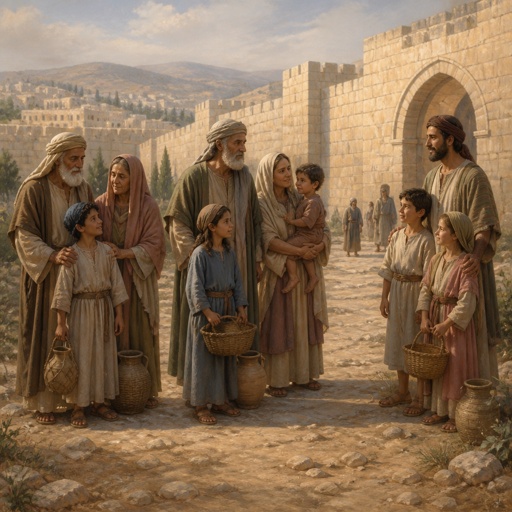
"The children of Gazzam, the children of Uzza, the children of Phaseah," - Nehemiah 7:51

John 1:51 - "And he saith unto him, Verily, verily, I say unto you, Hereafter ye shall see heaven open, and the angels of God ascending and descending upon the Son of man."

Acts 7:51 - "¶ Ye stiffnecked and uncircumcised in heart and ears, ye do always resist the Holy Ghost: as your fathers did, so do ye."
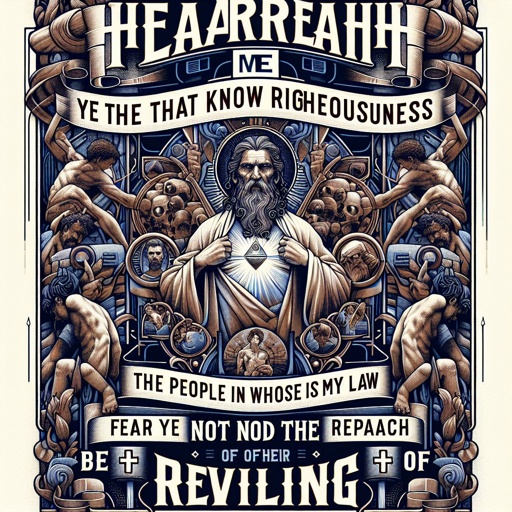
Isaiah 51:7 - "¶ Hearken unto me, ye that know righteousness, the people in whose heart is my law; fear ye not the reproach of men, neither be ye afraid of their revilings."

Jeremiah 51:7 - "Babylon hath been a golden cup in the LORD'S hand, that made all the earth drunken: the nations have drunken of her wine; therefore the nations are mad."

John 6:51 - "I am the living bread which came down from heaven: if any man eat of this bread, he shall live for ever: and the bread that I will give is my flesh, which I will give for the life of the world."

John 7:38

John 15:7

John 7:38
"And this spake he not of himself: but being high priest that year, he prophesied that Jesus should die for that nation;" - John 11:51

John 15:7

John 7:38

John 7:38

John 7:17-18

John 7:37-39

John 7:17-18

John 7:37-39

John 7:17-18

John 7:17-18

John 7:38

"And as he was now going down, his servants met him, and told him, saying, Thy son liveth." - John 4:51

John 7:38