Understanding Divine Timing: The Intersection of Christ and Human Readiness
“Then Jesus said unto them, My time is not yet come: but your time is alway ready.” — John 7:6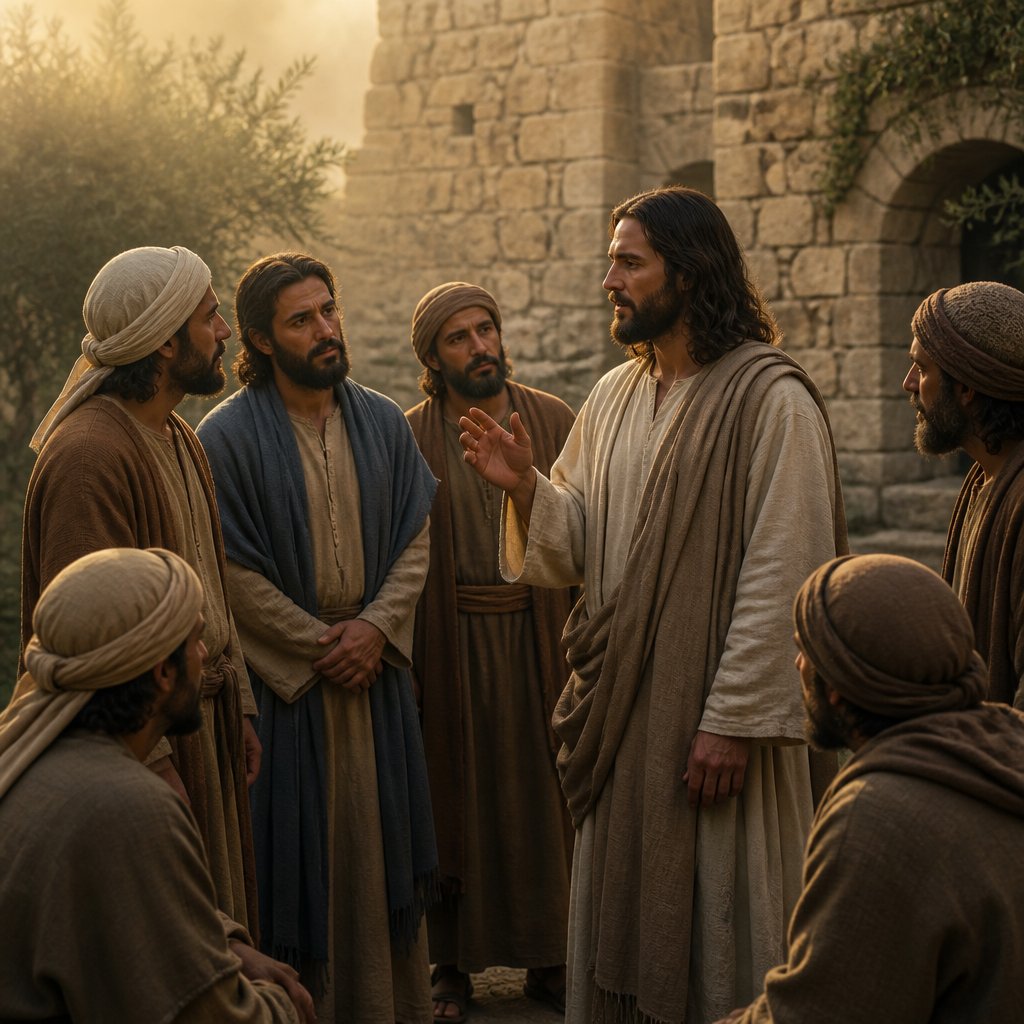
In John 7:6, we read the words of Jesus: "Then Jesus said unto them, My time is not yet come: but your time is alway ready." This passage emerges amid a tense backdrop, where Jesus’ brethren urged him to publicly manifest his works in Jerusalem. Their request highlights a self-centered desire for public recognition and acclaim—perhaps expecting Jesus to conform to their timetable and understanding of success. Yet, Jesus’ response carries profound implications about divine timing and human readiness.
To grasp the depth of this exchange, we need to appreciate what Jesus means by “My time.” Throughout the Gospel of John, “My time” refers to the appointed moment for Jesus to fulfill his ultimate mission on earth, culminating in his crucifixion and resurrection. It is a divine schedule that is not swayed by human impatience or expectations. In contrast, the phrase “your time is alway ready” illuminates a different aspect of existence—the urgency and constant readiness of human life in pursuing our desires and ambitions.
In our lives, we often draw parallels to this sentiment. How often do we find ourselves impatiently waiting, thinking we are prepared for greater opportunities, when in reality, we are not aligning ourselves with God's perfect timing? We create plans, set goals, and march forward, believing we know what is best for our lives. Yet, much like Jesus’s brethren, our foresight can be clouded by our limited understanding and desire for immediate gratification.
Jesus’ assertion, “My time is not yet come,” serves as a reminder that God has a sovereign plan unfolding at His pace. He operates on a timeline vastly different from our human perspective. How often do we engage in activities, ministries, or life decisions without waiting for the divine affirmation? Jesus exemplifies obedience to the Father’s timing, demonstrating the depth of submission and the wisdom of patience.
Conversely, when Jesus states, “but your time is alway ready,” He affirms the immediacy of our spiritual condition. While we may often occupy ourselves with the 'when' of our aspirations, the real question becomes, 'Are we spiritually prepared for what lies ahead?' The readiness Jesus speaks of indicates that while opportunities abound, our spiritual state must align with God’s will. In many instances, our time is indeed always ready as we walk through life and its myriad of choices, yet our readiness to act in accordance with God’s will necessitates a spirit tuned to His leading.
This dichotomy between divine timing and human urgency is a call to deeper relationship with the Lord. How do we cultivate this relationship? Jesus models this through prayer, seeking God's direction fervently amidst the chaos of life. In moments of uncertainty, we must pause and pray, surrendering our timelines and expectations. We invite God into our plans instead of imposing our schedules on Him.
Moreover, through this verse, we are encouraged to maintain an eternal perspective on our lives—a reminder that our work on Earth, while important, is only a part of a greater narrative. The urgency of our everyday lives must not overshadow the purpose of waiting on God’s timing. Let us not confuse readiness for action as license to act independent of divine insight. Instead, we must seek wisdom through prayer, understanding that the results of God’s timing are far greater than our hurried initiatives.
In closing, John 7:6 provides not only insight into the nature of Jesus' mission but also invites us to reflect on our own lives. Are we rushing ahead with our plans, or are we being attentive to the Lord’s leading? His perfect timing will bring about what we need, exactly when we need it. As we dwell upon this verse, may we learn to trust in God’s timing, cultivate readiness in our hearts, and align our actions with His sovereign purpose. Let us embrace the journey of divine timing, knowing that true readiness comes from submission to God’s will.
Get our apps


Artwork for John 7:6

John 7:6 - "Then Jesus said unto them, My time is not yet come: but your time is alway ready."
"Then Jesus said unto them, My time is not yet come: but your time is alway ready." - John 7:6

John 4:6-7

John 6:7 - "Philip answered him, Two hundred pennyworth of bread is not sufficient for them, that every one of them may take a little."

John 1:6 - "¶ There was a man sent from God, whose name was John."

John 6:63

John 6:63

John 7:38

John 15:7

John 7:38

John 6:63

John 6:63

John 7:38

John 15:7

John 7:38

John 7:17-18

John 7:37-39

John 7:17-18

John 7:37-39

John 9:6-7 - "After saying this, he spit on the ground, made some mud with the saliva, and put it on the man’s eyes. "Go," he told him, "wash in the Pool of Siloam" (this word means "Sent"). So the man went and washed, and came home seeing."

John 7:17-18

John 7:17-18

John 6:12

John 6:40

John 21:6

John 14:6

John 7:38

John 21:6

John 6:16

John 6:37