Timeless Truths: Jesus, Abraham, and Our Eternal Perspective
“Then said the Jews unto him, Thou art not yet fifty years old, and hast thou seen Abraham?” — John 8:57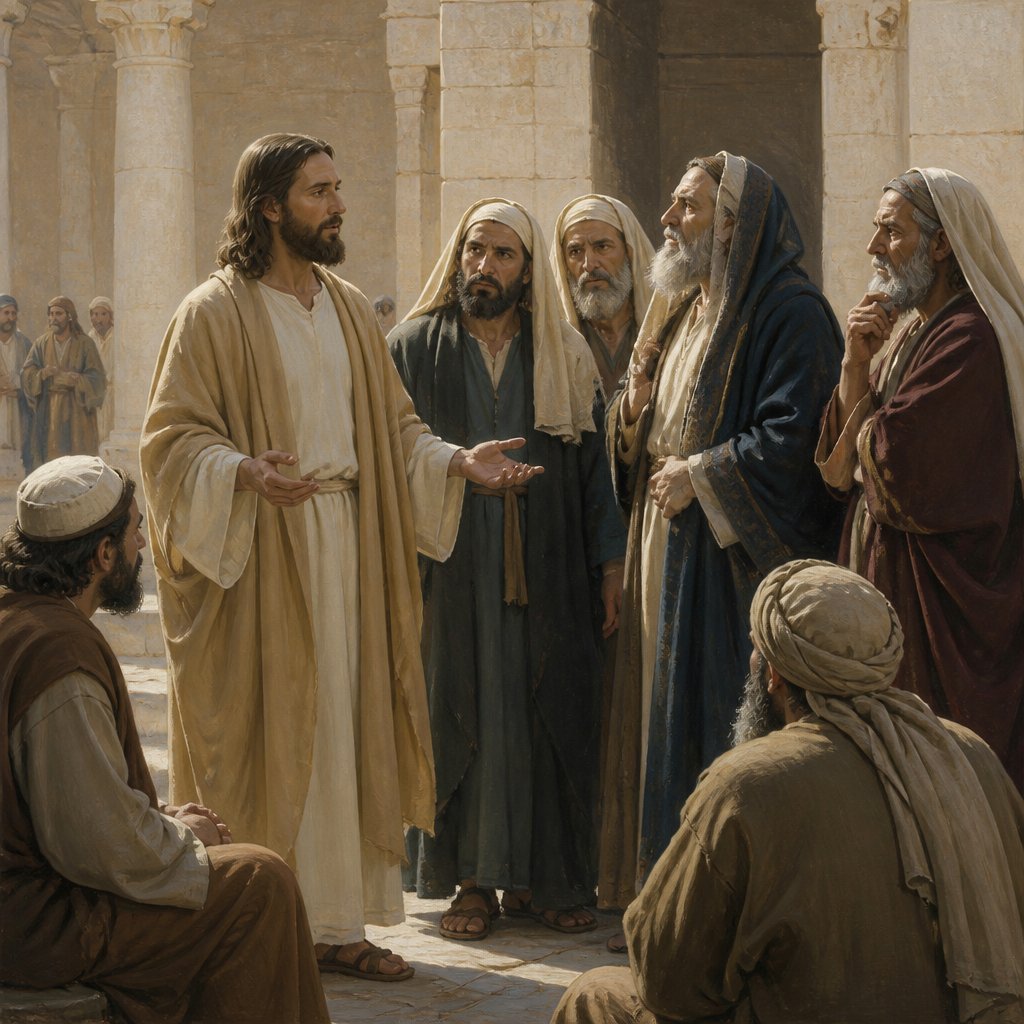
John 8:57 states, "Then said the Jews unto him, Thou art not yet fifty years old, and hast thou seen Abraham?" This intriguing question posed by the Jews to Jesus not only reveals their disbelief but also shows a profound misunderstanding of the nature of Christ and His eternal existence.
To fully appreciate the weight of this exchange, we must understand the significance of Abraham in Jewish tradition. Abraham is viewed as the father of faith, the patriarch through whom God's promises to Israel began. To the Jewish leaders, the concept of seeing Abraham carried monumental implications; this was a spiritual lineage that stretched generations back. So, when they see a man not yet fifty—by their standards, still in the prime of life—they cannot fathom how he could have encountered Abraham, who had lived thousands of years before.
In this moment, Jesus challenges their temporal understanding. He is not merely a historian recounting events, but rather the embodiment of divine truth that transcends history and time. The Jews place a temporal measure on Jesus, attempting to quantify His wisdom and authority through the limitations of age. Yet Jesus stands outside of those limitations.
In John 8:58, which follows shortly after this question, Jesus declares, "Verily, verily, I say unto you, Before Abraham was, I am." This declaration carries immense theological weight. By using the phrase "I am," Jesus aligns Himself with the divine name revealed to Moses (Exodus 3:14). This assertion of pre-existence directly contradicts the Jewish leaders’ perception and demonstrates a revelation of His divine nature, affirming His eternal existence before time began, before Abraham walked the earth.
The visceral reaction of the Jews illustrates the struggle between human understanding and divine revelation. They are unable to reconcile Christ's claims with their traditional beliefs and expectations. Their shock reveals our tendency to rely on visible signs, data, and historical context—elements that comfort our understanding of the world, but often limit our view of God’s grandeur.
As modern believers, how often do we find ourselves in similar situations? When faced with challenges, doubts, or circumstances beyond our understanding, do we rely only on what is seen and known? Or do we lean into the limitless possibilities of God’s eternal nature? Jesus, who is described as the "Alpha and Omega" (Revelation 1:8), invites us into a relationship that goes beyond humanities’ constraints. He invites us to explore truths that cannot be contained within our finite experience.
The conflict in this interaction highlights a vital truth: the essence of faith lies in the recognition of Christ’s nature, not merely in historical validation. Jesus invites us to embrace His eternity, allowing us to see our circumstances through a lens of hope that transcends our immediate understanding. It is in this space of faith that God often works miracles, transforming our perspectives and enlarging our vision.
In the face of doubt, as the Jews displayed towards Jesus, we must scrutinize our own hearts. Might we, too, be guilty of limiting God to our understanding? When confronted with a challenge, we can often echo their disbelief and underestimate the power God has to shift our situations. The question arises: do we believe that Jesus has always existed, and that He is active in our lives today?
Today, let us take time in prayer and reflection, asking God to help us understand His nature. Let us ponder the ways we might box in our understanding of who Jesus is. May we seek a relationship with Him that invites His eternal perspective into our temporal lives, transforming how we perceive the world around us. Just as He did with the Jews, He desires to open our eyes to eternal truths and infinite possibilities. May we boldly embrace the reality that Jesus is, indeed, the same yesterday, today, and forever; a truth that promises hope in every situation we encounter.
Get our apps


Artwork for John 8:57

John 8:57 - "Then said the Jews unto him, Thou art not yet fifty years old, and hast thou seen Abraham?"
"Then said the Jews unto him, Thou art not yet fifty years old, and hast thou seen Abraham?" - John 8:57

Psalms 57:8 - "Awake up, my glory; awake, psaltery and harp: I myself will awake early."

John 6:57 - "As the living Father hath sent me, and I live by the Father: so he that eateth me, even he shall live by me."
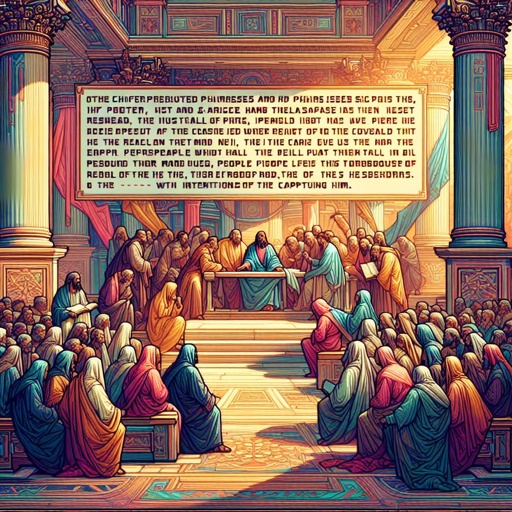
John 11:57 - "Now both the chief priests and the Pharisees had given a commandment, that, if any man knew where he were, he should shew it, that they might take him."

1 Kings 8:57 - "The LORD our God be with us, as he was with our fathers: let him not leave us, nor forsake us:"

Psalm 57:7-8 - "My heart, O God, is steadfast, my heart is steadfast; I will sing and make music. Awake, my soul! Awake, harp and lyre! I will awaken the dawn."
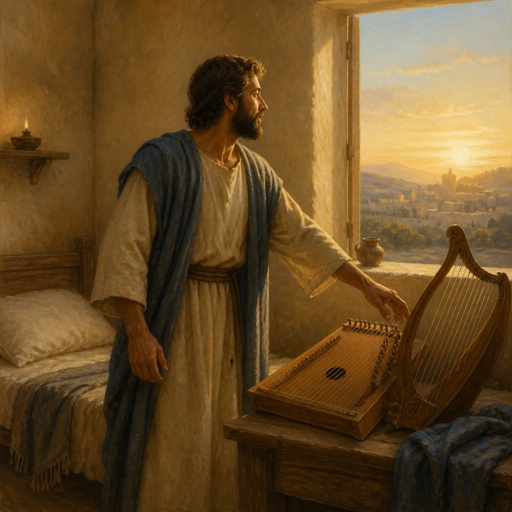
"Awake up, my glory; awake, psaltery and harp: I myself will awake early." - Psalms 57:8
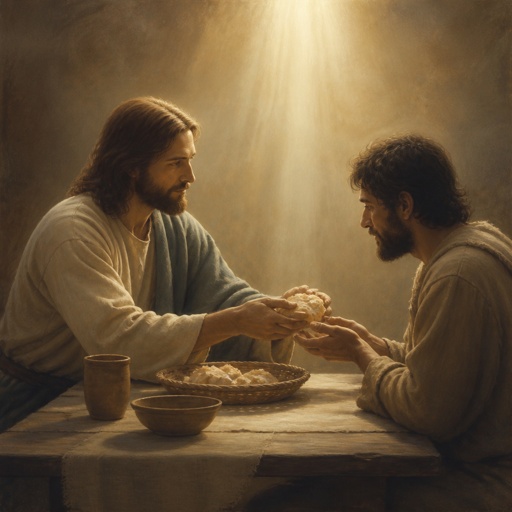
"As the living Father hath sent me, and I live by the Father: so he that eateth me, even he shall live by me." - John 6:57

Isaiah 57:8 - "Behind the doors also and the posts hast thou set up thy remembrance: for thou hast discovered thyself to another than me, and art gone up; thou hast enlarged thy bed, and made thee a covenant with them; thou lovedst their bed where thou sawest it."
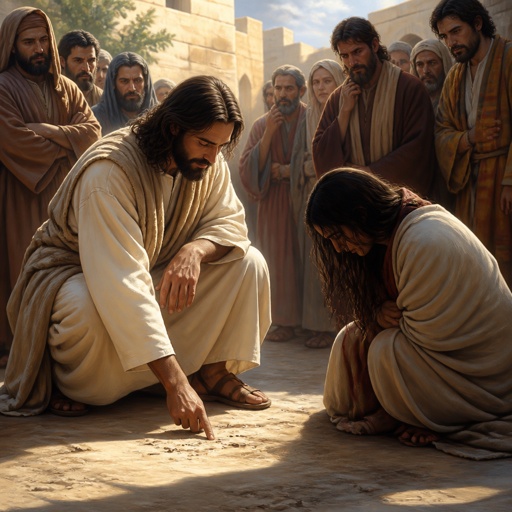
John 8

John 8

John 8:44

John 8:44

John 8:44

John 8:8 - "And again he stooped down, and wrote on the ground."

John 8:12
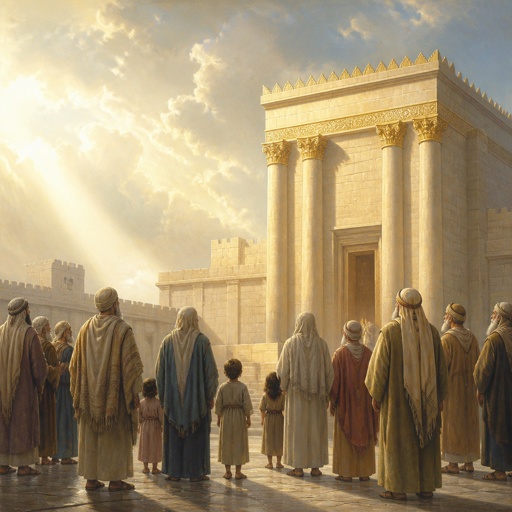
"The LORD our God be with us, as he was with our fathers: let him not leave us, nor forsake us:" - 1 Kings 8:57

John 8:12

John 8:12

John 8:12

John 8:12

John 3:5-8

John 6:8-9

John 15:1-8

John 3:5-8

John 8:4-11

John 3:5-8

John 3:3-8
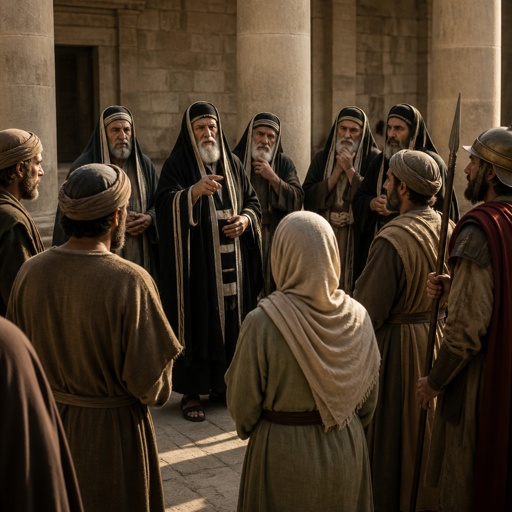
"Now both the chief priests and the Pharisees had given a commandment, that, if any man knew where he were, he should shew it, that they might take him." - John 11:57