What does John 8:57 mean?
“Then said the Jews unto him, Thou art not yet fifty years old, and hast thou seen Abraham?” — John 8:57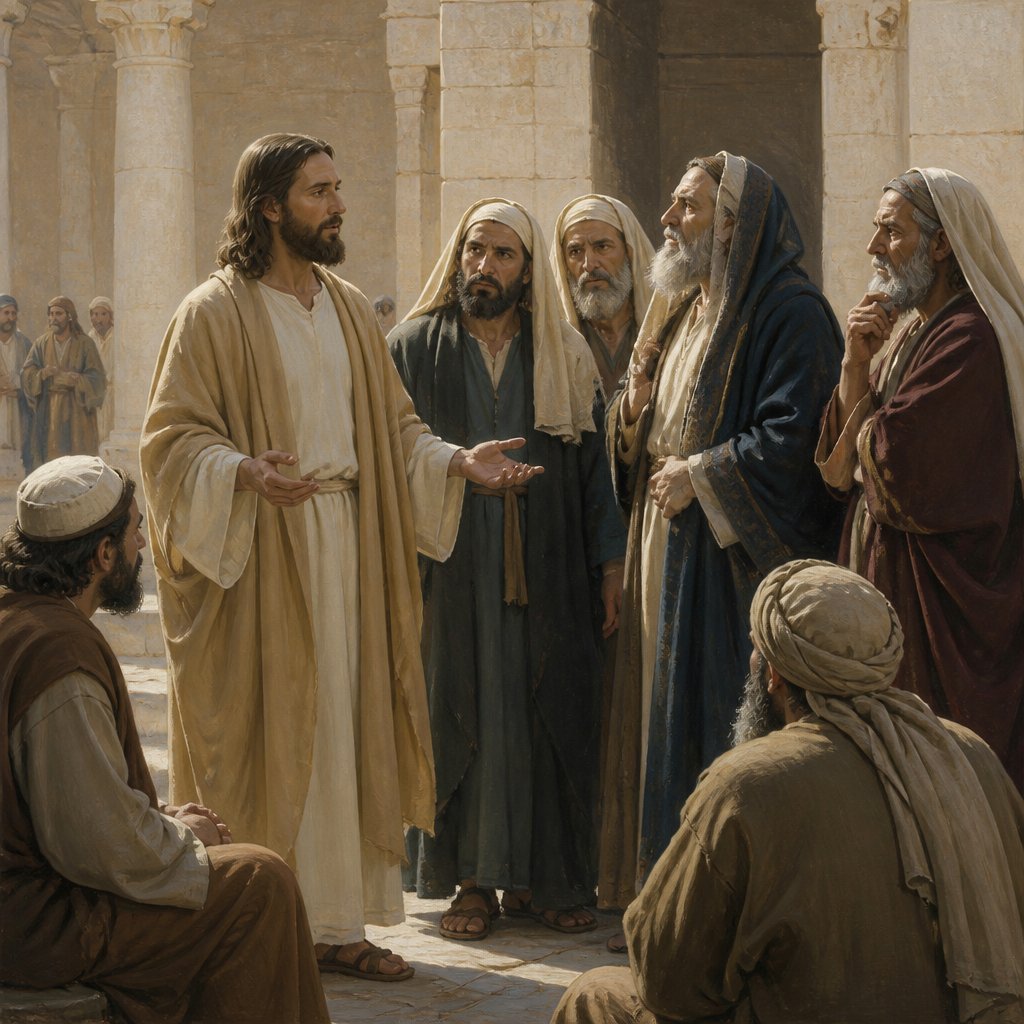
John 8:57 (KJV) says, "Then said the Jews unto him, Thou art not yet fifty years old, and hast thou seen Abraham?"
This verse is part of a larger passage in the book of John, which focuses on the interactions between Jesus and the Jewish religious leaders. In this particular verse, the Jews are questioning Jesus about his age and whether he has actually seen Abraham, who lived centuries before Jesus' time. This verse is significant as it reveals the skepticism and disbelief of the Jews regarding Jesus' identity and authority.
The context of this verse is crucial for understanding its full meaning. In the preceding verses, Jesus is engaged in a conversation with the Jews, proclaiming his divine nature and the truth of his teachings. He speaks of his relationship with God the Father and the importance of following his words. The Jews, however, challenge Jesus' claims and demand proof of his authority. It is in this tense and confrontational atmosphere that the verse in question is spoken.
The Jews' question about Jesus' age is a direct challenge to his authority and credibility. They are essentially questioning how someone who is not yet fifty years old could have possibly seen Abraham, who lived over two thousand years earlier. This skepticism reflects the Jews' refusal to accept Jesus' divine nature and the possibility of him having a supernatural connection to their ancestors.
In response to the Jews' disbelief, Jesus goes on to make a bold declaration about his existence before Abraham. In verse 58, he confidently states, "Verily, verily, I say unto you, Before Abraham was, I am." This statement, using the present tense "I am," is a clear reference to the name of God revealed to Moses in the burning bush (Exodus 3:14). By associating himself with the divine name "I am," Jesus is affirming his eternal and timeless nature, surpassing human limitations such as age.
The themes present in John 8:57 are deeply rooted in the identity and divinity of Jesus Christ. Throughout the book of John, the author emphasizes the deity of Jesus and presents him as the Son of God. This verse contributes to the larger theme of belief and disbelief, as the Jews' refusal to accept Jesus' claims reflects the spiritual blindness and hardness of heart that Jesus often encountered.
Symbolism in this verse can be found in the contrast between Jesus' age and his eternal nature. The Jews focus on Jesus' physical age as a means of undermining his authority, while Jesus points to his timeless existence as evidence of his divine identity. This contrast highlights the difference between earthly, temporal concerns and the eternal, spiritual reality that Jesus embodies.
Additionally, the mention of Abraham in this verse is symbolic of the Jewish heritage and faith. As the father of the Jewish nation, Abraham represents the historical and spiritual foundation of the Jews' religious identity. By invoking Abraham in their question, the Jews are attempting to challenge Jesus' connection to their heritage and tradition, while Jesus' response transcends this earthly lineage to assert his timeless and universal significance.
In conclusion, John 8:57 is a pivotal verse in the book of John, revealing the skepticism and disbelief of the Jewish religious leaders regarding Jesus' identity and authority. Through this verse, Jesus asserts his eternal nature and divine authority, challenging the limitations of human understanding and pointing to the spiritual truth of his existence. This passage serves as a powerful reminder of the ongoing struggle between belief and disbelief in the presence of divine revelation.
Get our apps


Artwork for John 8:57

John 8:57 - "Then said the Jews unto him, Thou art not yet fifty years old, and hast thou seen Abraham?"
"Then said the Jews unto him, Thou art not yet fifty years old, and hast thou seen Abraham?" - John 8:57

Psalms 57:8 - "Awake up, my glory; awake, psaltery and harp: I myself will awake early."

John 6:57 - "As the living Father hath sent me, and I live by the Father: so he that eateth me, even he shall live by me."
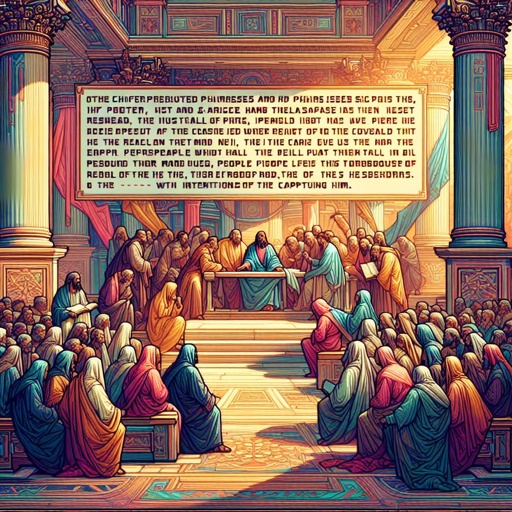
John 11:57 - "Now both the chief priests and the Pharisees had given a commandment, that, if any man knew where he were, he should shew it, that they might take him."

1 Kings 8:57 - "The LORD our God be with us, as he was with our fathers: let him not leave us, nor forsake us:"

Psalm 57:7-8 - "My heart, O God, is steadfast, my heart is steadfast; I will sing and make music. Awake, my soul! Awake, harp and lyre! I will awaken the dawn."
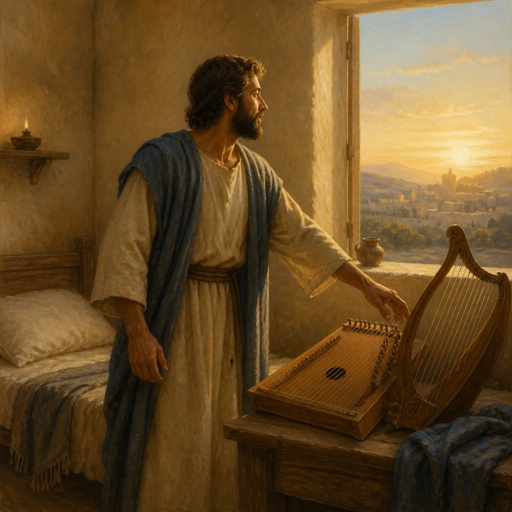
"Awake up, my glory; awake, psaltery and harp: I myself will awake early." - Psalms 57:8
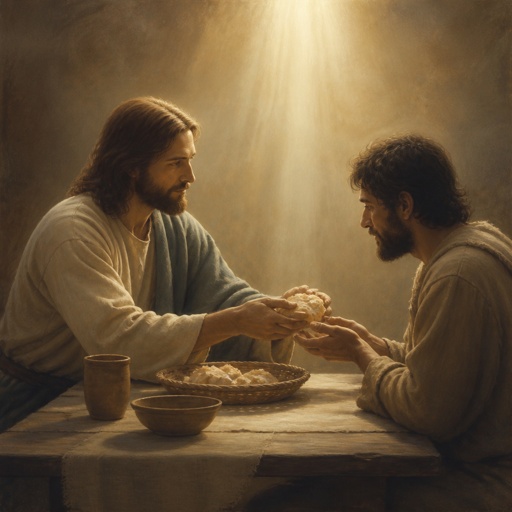
"As the living Father hath sent me, and I live by the Father: so he that eateth me, even he shall live by me." - John 6:57

Isaiah 57:8 - "Behind the doors also and the posts hast thou set up thy remembrance: for thou hast discovered thyself to another than me, and art gone up; thou hast enlarged thy bed, and made thee a covenant with them; thou lovedst their bed where thou sawest it."
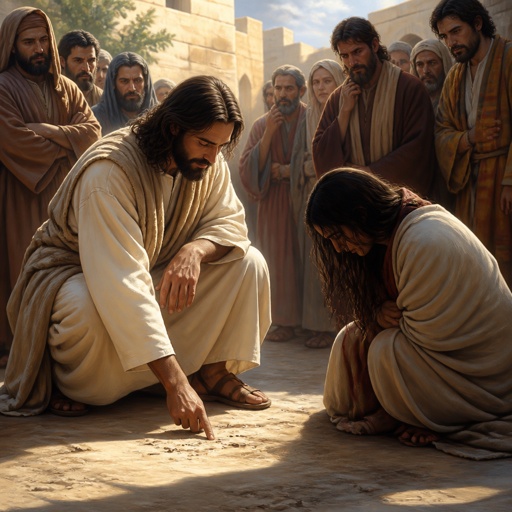
John 8

John 8

John 8:44

John 8:44

John 8:44

John 8:8 - "And again he stooped down, and wrote on the ground."

John 8:12
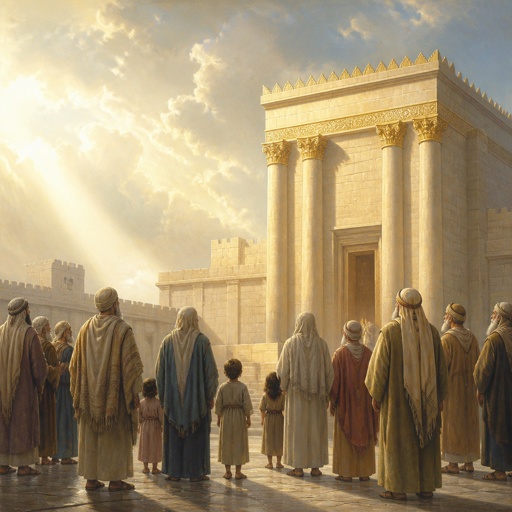
"The LORD our God be with us, as he was with our fathers: let him not leave us, nor forsake us:" - 1 Kings 8:57
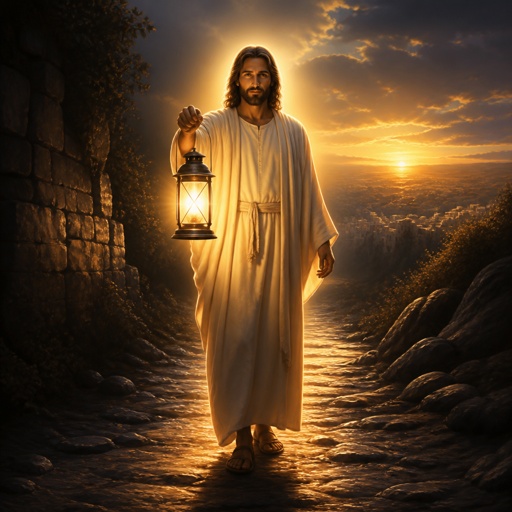
John 8:12

John 8:12

John 8:12

John 8:12
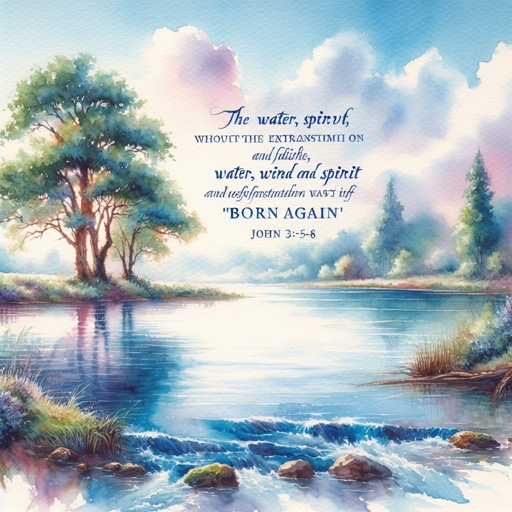
John 3:5-8

John 6:8-9

John 15:1-8

John 3:5-8

John 8:4-11

John 3:5-8

John 3:3-8
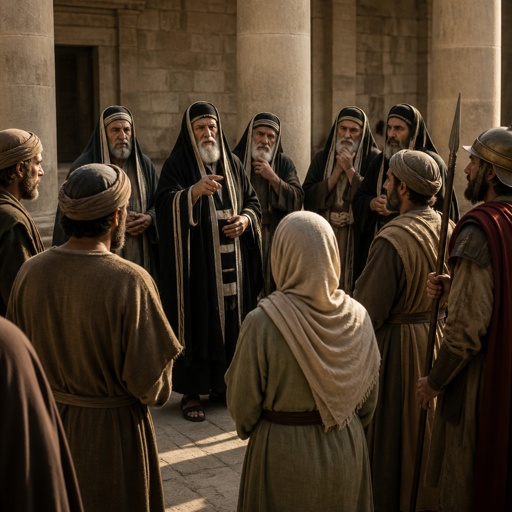
"Now both the chief priests and the Pharisees had given a commandment, that, if any man knew where he were, he should shew it, that they might take him." - John 11:57