A Day of Healing: The Divine Work of Jesus on the Sabbath
“And it was the sabbath day when Jesus made the clay, and opened his eyes.” — John 9:14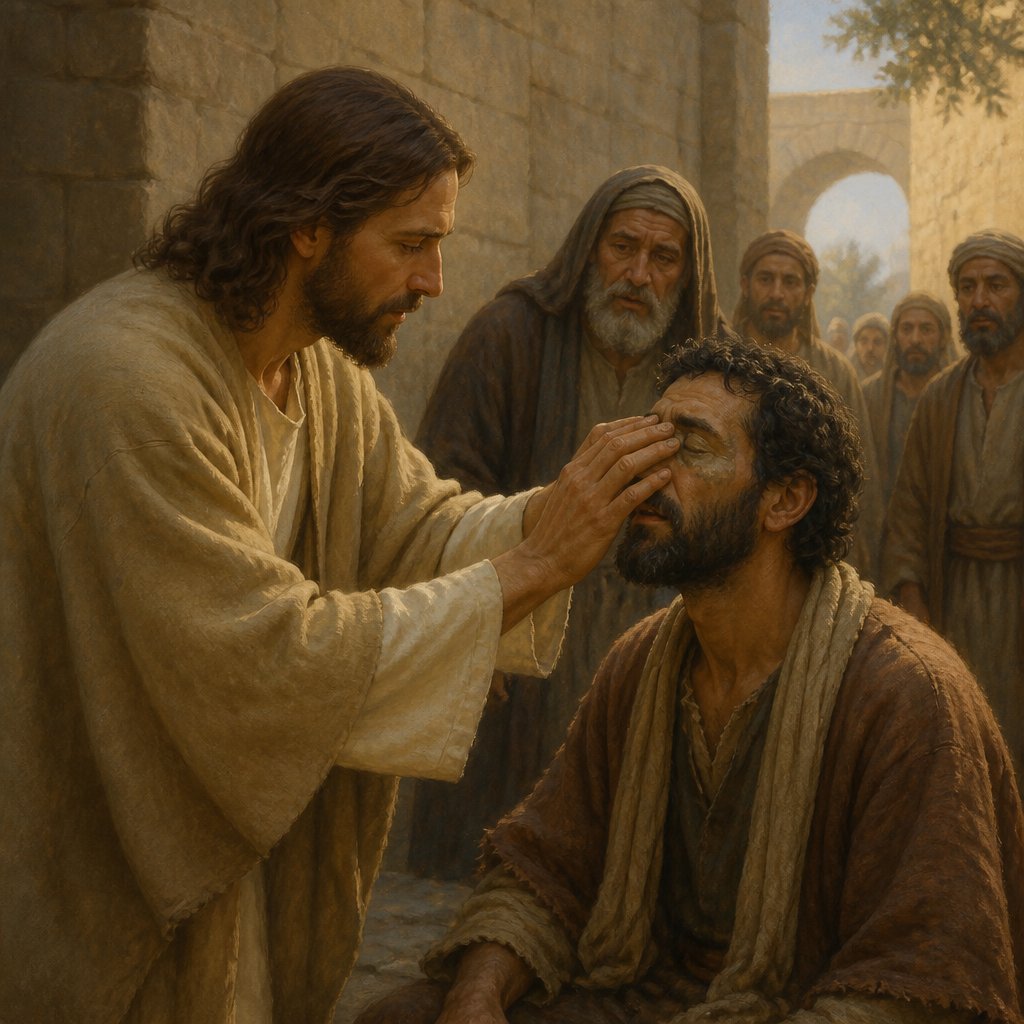
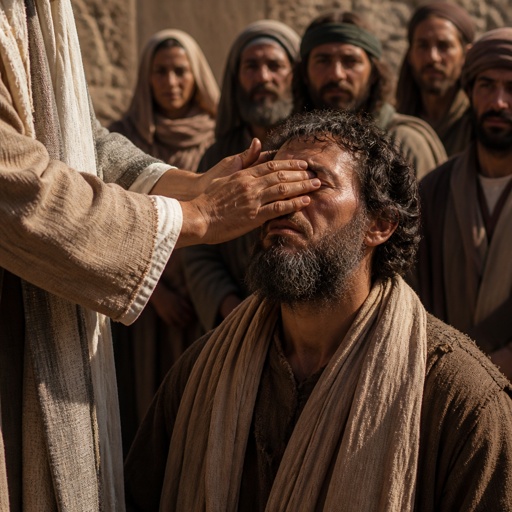
The miracle of healing the blind man in John 9 serves as a profound narrative that transcends the physical act of sight restoration to convey deep theological truths about Jesus’ identity and His sovereignty over the law. The verse we explore today is John 9:14: "And it was the sabbath day when Jesus made the clay, and opened his eyes." In this moment, we witness a striking display of Jesus' authority, a divine act performed during one of Judaism's most sacred days.
**Understanding the Sabbath**
The Sabbath, a day of rest prescribed in the law, was established as a time for spiritual reflection and physical rejuvenation. It was a gift from God intended for man, teaching the importance of pausing in our busy lives to reconnect with our Creator. However, by the time of Jesus, religious leaders had encased the Sabbath in a rigid framework of rules and prohibitions, often missing the heart of God’s purpose behind it. In their zealousness to uphold the law, they had turned the Sabbath from a day of joy and connection into a burden.
**A Disruption on the Holy Day**
When Jesus chose the Sabbath to heal the blind man, He acted with intentionality, seemingly inciting conflict with the Pharisees. The act of making clay from spittle to restore sight was perceived as work—a violation of the Sabbath law. Yet, in this act, Jesus revealed the heart of God: mercy triumphs over sacrifice (Matthew 9:13). The healing performed on this sacred day sends a powerful message that doing good should never be restricted by man-made regulations.
**The Purpose of the Miracle**
Jesus did not merely end the man’s physical suffering; He provided an opportunity for the man to encounter God. His response to the man’s plight illustrates a divine initiative to reach out, heal, and restore. By opening the man’s eyes, Jesus also opened a divine invitation for the man into a new reality, one where he could not only see physically but also spiritually. In this context, the miracle stands as a testimony to the transformative power of faith in Christ.
**Our Hindrances to Divine Work**
Reflecting upon this miracle invites us to consider what might hinder us from experiencing God's work in our lives. Are we unable to see beyond our traditions, holding tightly to practices that strip the Sabbath—or any day—of its intended joy and purpose? In what ways do we box God in, limiting His capacity to work because of our preconceived notions about how and when He should act?
**Jesus, Lord of the Sabbath**
By performing this miracle on the Sabbath, Jesus boldly proclaimed that He is Lord of the Sabbath (Matthew 12:8). His authority invites each of us to experience healing not only from our physical ailments but also from the spiritual blindness that can permeate our hearts. Just as the blind man’s sight was restored, Jesus desires to open our eyes to see Him and His work in our lives.
**A Call to Act**
Jesus' words and actions implore us to be agents of God's grace, calling us to be part of the healing He brings to a broken world. Each Sabbath, we should not only cease from our daily labors but also engage actively in acts of compassion and kindness, reflecting the heart of our Savior.
**Conclusion**
As we meditate upon John 9:14, may we be encouraged to embrace the essence of the Sabbath—not as a list of prohibitions but as an extension of God’s love in our lives. Let us seek to match our understanding of the Sabbath with the deeper call to relate to God and others with mercy and grace, knowing that Jesus breaks chains and gives sight, even on the most sacred of days.
Get our apps


Artwork for John 9:14
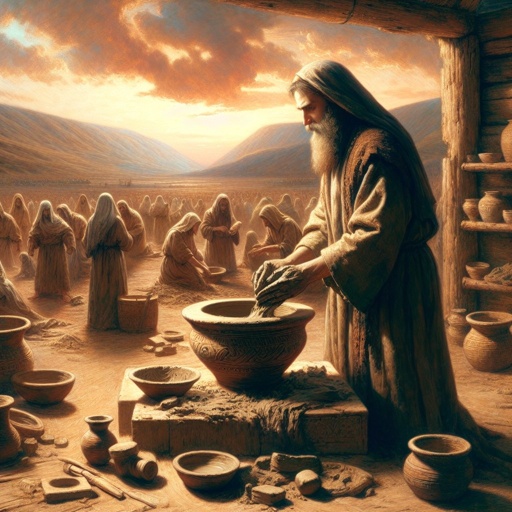
John 9:14 - "And it was the sabbath day when Jesus made the clay, and opened his eyes."
"And it was the sabbath day when Jesus made the clay, and opened his eyes." - John 9:14

numbers 21:8-9 & John 3:14

Matthew 9:14 - "¶ Then came to him the disciples of John, saying, Why do we and the Pharisees fast oft, but thy disciples fast not?"

John 14

John 14:30

John 14:9 - "Jesus saith unto him, Have I been so long time with you, and yet hast thou not known me, Philip? he that hath seen me hath seen the Father; and how sayest thou then, Shew us the Father?"

John 3:14

John 14:16

John 14:6
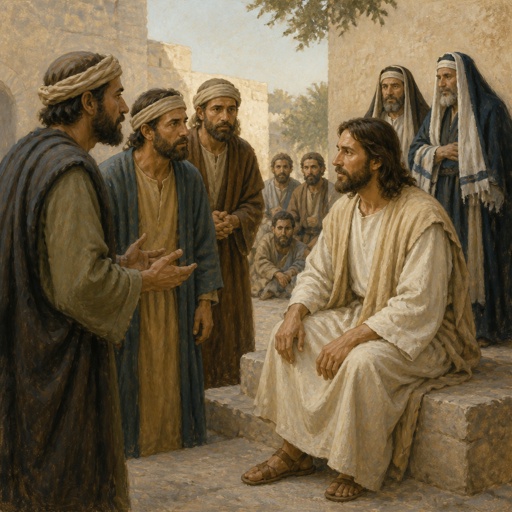
"¶ Then came to him the disciples of John, saying, Why do we and the Pharisees fast oft, but thy disciples fast not?" - Matthew 9:14

John 14:28

John 20:14

John 14:14 - "If ye shall ask any thing in my name, I will do it."

john 21:9
John 9:10

John 10:9

John 10:9

John 10:9

John 14:15-21

John 14:23-29

John 14:23-29

John 14:23-29

1 John 2:14

1 John 2:14

John 14:1-2
John 14:16-17

John 6:8-9

John 9:1-3

John 13:4-9