Seeing Beyond the Depths of Sin: A Study of John 9:24
“Then again called they the man that was blind, and said unto him, Give God the praise: we know that this man is a sinner.” — John 9:24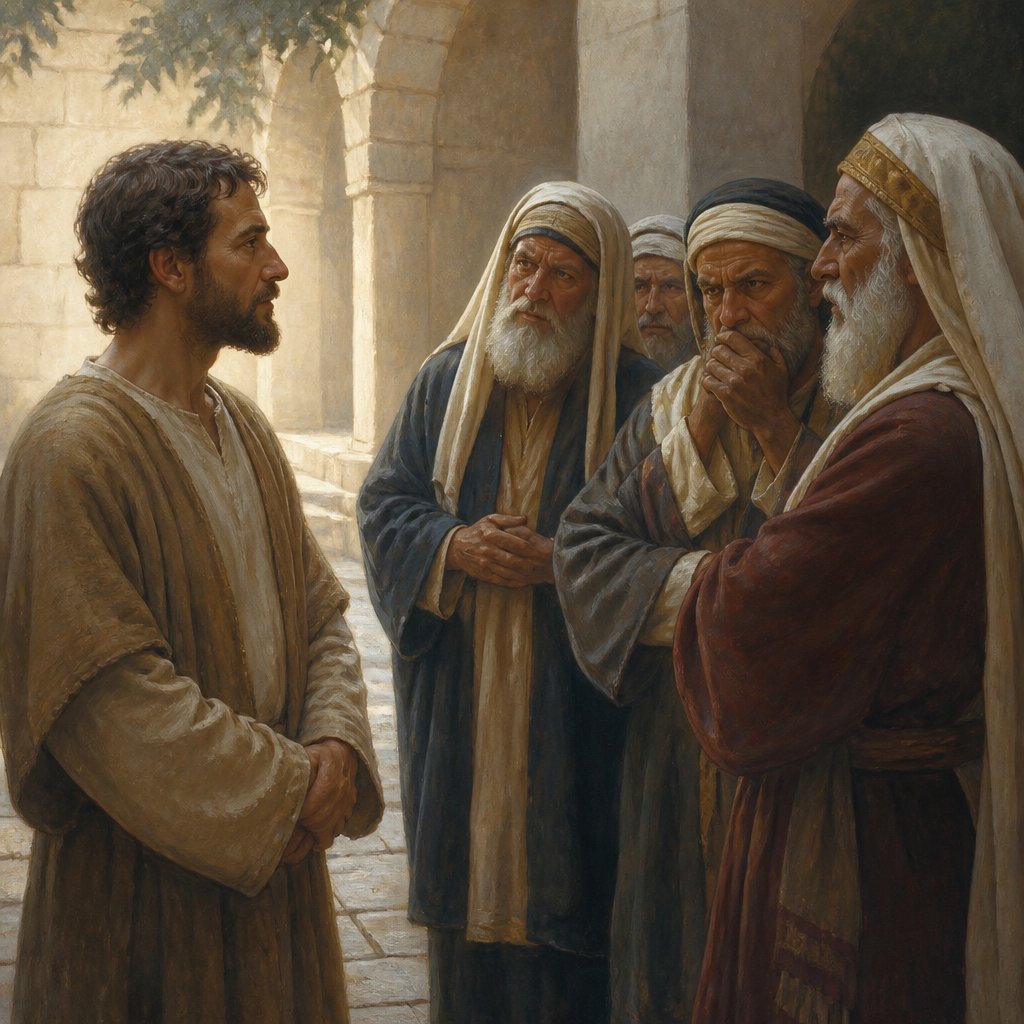
In John 9:24, the narrative of the man born blind continues, as the Pharisees, representatives of the religious authority, summon him a second time to demand an explanation of his healing. They urge him, saying, "Give God the praise: we know that this man is a sinner." Their command reflects a profound misunderstanding, both of who Jesus is and of the nature of sin itself. In these simple words, we find a rich tapestry of theology, human experience, and the struggle for faith amidst societal and religious pressures.
To understand the depth of this verse, we must backtrack in the narrative to grasp the full significance of the miracle performed by Jesus. The man, blind from birth, represents not only a physical ailment but also a spiritual condition of the world. His healing was an act of divine intervention—one that the Pharisees could not accept because it contradicted their rigid understanding of sin and righteousness. They viewed sin as a direct cause of suffering, thus, to them, the man's blindness was indicative of either his sin or the sin of his parents.
However, Jesus had previously rebutted this thinking, illustrating that neither was at fault; rather, the man's blindness provided an opportunity for God's works to be revealed (John 9:3). It is crucial to recognize that the man's healing was a demonstration of grace, a powerful testament to the redemptive power of Christ. Yet, the Pharisees failed to see beyond their dogmatic beliefs and acknowledge the goodness of Jesus. They were entrenched in their traditions, blinded from the truth by their own sin.
When confronted, the healed man is instructed to "give God the praise." This phrase highlights the innate human desire to recognize and honor a higher power, particularly in moments of profound change and healing. The Pharisees, however, interjected their biases by claiming all glory must be associated with their understanding of God—a view involving judgment and exclusion. They declare, "We know that this man is a sinner," bypassing the miraculous event of healing that had just taken place.
This verse invites us to reflect on how often we, like the Pharisees, confine God’s work within our interpretations of sin and righteousness. Do we, too, find ourselves halting at the surface-level conclusions, missing the deeper truths residing in the mercy and grace of God? The call to "give God the praise" is not merely an acknowledgment of His power; it is a challenge to see beyond the evidence of our biases, judgments, and preconceptions about others and ourselves. It calls us into relationship over religion, inviting us to experience the fullness of God’s love.
As we meditate on this passage, we must ask ourselves: How do I define sin, and how do those definitions impact my view of others? The Pharisees had clear-cut views that labeled individuals based on their circumstances or past. Yet, Jesus offers an approach that sees each individual as a canvas on which God’s grace can be painted anew.
This moment in scripture reveals the tension between human judgment and divine grace. The blind man, having encountered the Light of the World, stands as a testament to hope and transformation. Rather than succumbing to the pressures of ridicule, he boldly acknowledges his healing despite the risk of ostracism.
In conclusion, John 9:24 serves not only as a plea for recognition of God as the ultimate authority in our lives but also as a reminder to evaluate how we perceive and respond to His work among us. Let us seek to see with clarity, to praise God wholeheartedly, and to allow the grace that has transformed us to be a beacon for others, shining light into the darkness of our collective and individual sin. May we, like the man born blind, testify of the great things God has done for us, free from fear of societal judgment.
Get our apps


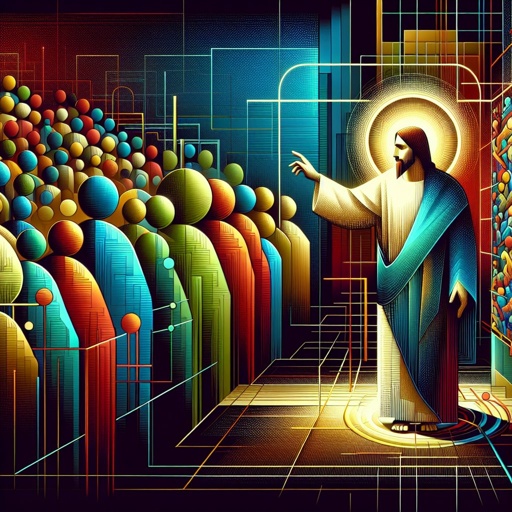
Artwork for John 9:24
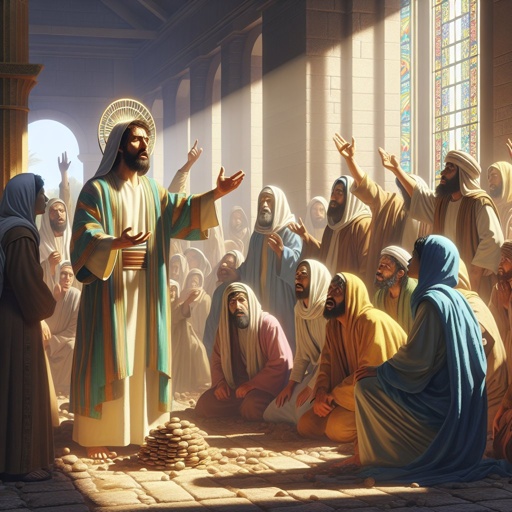
John 9:24 - "Then again called they the man that was blind, and said unto him, Give God the praise: we know that this man is a sinner."
"Then again called they the man that was blind, and said unto him, Give God the praise: we know that this man is a sinner." - John 9:24

John 3:24 - "For John was not yet cast into prison."

"For John was not yet cast into prison." - John 3:24

John 1:24 - "And they which were sent were of the Pharisees."

John 7:24 - "Judge not according to the appearance, but judge righteous judgment."

Genesis 24-9

john 21:9
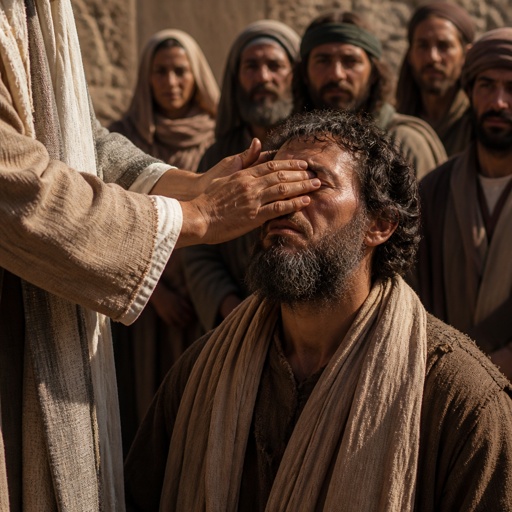
John 9:10

John 10:9

John 10:9

John 10:9

Genesis 9:24-25

Exodus 24:9-11

Jude 9:22-24

John 20:24 - "¶ But Thomas, one of the twelve, called Didymus, was not with them when Jesus came."

John 4:24 - "God is a Spirit: and they that worship him must worship him in spirit and in truth."

Luke 7:24 - "¶ And when the messengers of John were departed, he began to speak unto the people concerning John, What went ye out into the wilderness for to see? A reed shaken with the wind?"

John 6:8-9

John 9:1-3

John 13:4-9

John 9:1-41

1 John 1:9

John 18:24 - "Now Annas had sent him bound unto Caiaphas the high priest."

John 15:9-10

John 15:9-10

John 16:9 - "Of sin, because they believe not on me;"

John 9:9 - "Some said, This is he: others said, He is like him: but he said, I am he."
John 2:24 - "But Jesus did not commit himself unto them, because he knew all men,"

John 21:24 - "This is the disciple which testifieth of these things, and wrote these things: and we know that his testimony is true."