A Heritage of Faith: Understanding Our Spiritual Inheritance
“There was also a lot for the rest of the children of Manasseh by their families; for the children of Abiezer, and for the children of Helek, and for the children of Asriel, and for the children of Shechem, and for the children of Hepher, and for the children of Shemida: these were the male children of Manasseh the son of Joseph by their families.” — Joshua 17:2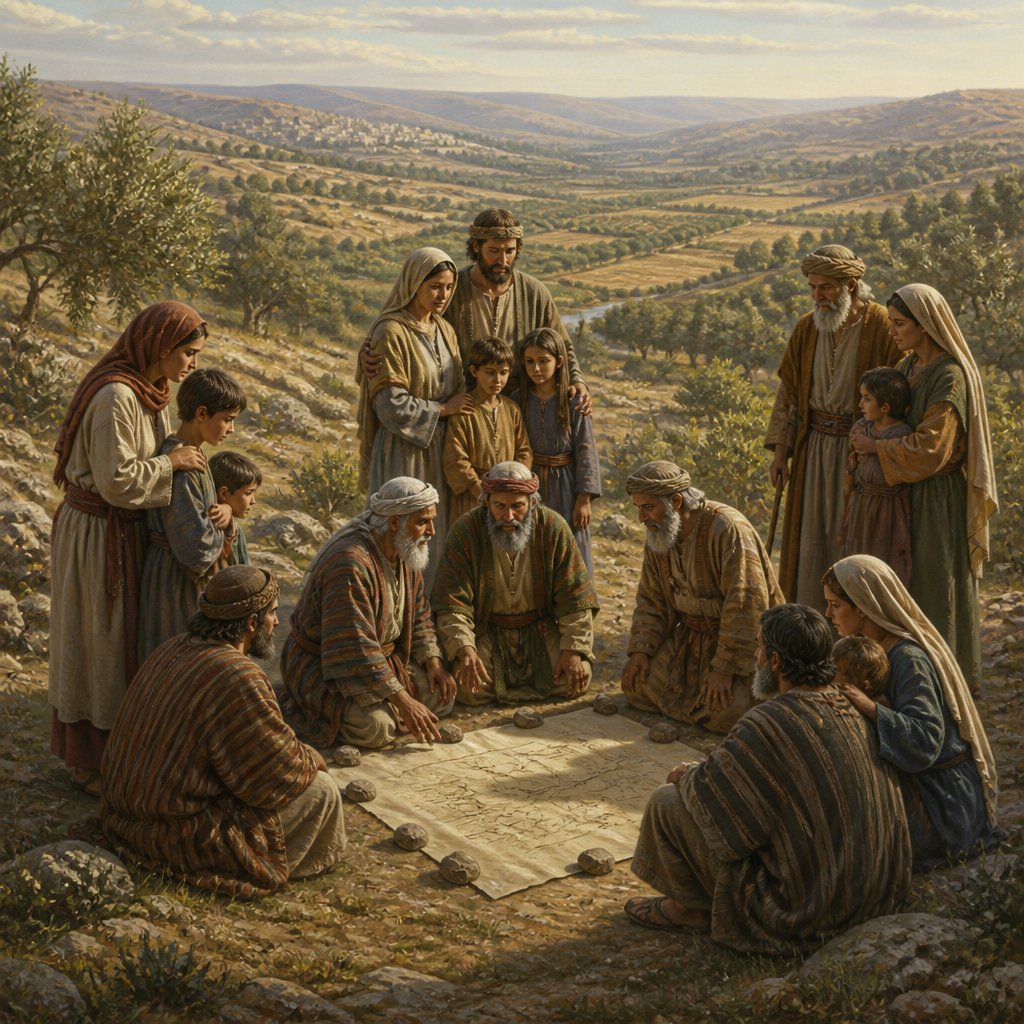
The world loves to remind us of our earthly heritage: the family we come from, our physical lineage, and the legacy left behind by those before us. As children of God, however, our greatest inheritance is not confined to this earthly realm but extends into the spiritual truths that shape our identity in Christ. In Joshua 17:2 (KJV), we read: "There was also a lot for the rest of the children of Manasseh by their families; for the children of Abiezer, and for the children of Helek, and for the children of Asriel, and for the children of Shechem, and for the children of Hepher, and for the children of Shemida: these were the male children of Manasseh the son of Joseph by their families."
At first glance, this passage may seem like a mere list of names and tribal divisions, but within it lies a profound revelation regarding identity, belonging, and legacy. Manasseh, as the son of Joseph, carried with him two distinct heritages: that of his father, beloved by his own father Jacob, and that of the tribes of Israel, to whom God had given a promised land. His portion, along with those of his family members, reveals the rich tapestry of connection among God’s people and reminds us of our spiritual genealogy.
As believers, we are connected not just to our immediate families but to a much larger family of faith that spans generations. Just as God designated land among tribes, He has set aside a divine purpose for each of us, forming us into a collective body that reflects His glory. In this heritage, we find both identity and assignment; we are not here by accident, nor are we merely anonymous believers in a sprawling community.
Consider the families mentioned in Joshua 17:2. Each name may reflect the character and destiny of those represented. In ancient Israel, belonging to a family meant everything—it defined one’s role and purpose within society as well as one’s relationship to God’s promises. For us today, it is a reminder of our identity in Christ. Galatians 3:26-29 tells us that we are all children of God through faith in Jesus Christ and that we are heirs according to the promise.
Each family listed in Joshua 17 encapsulates the varied aspects of God’s design for humanity; each played a role in the collective mission of God’s people. In our spiritual inheritance, unique destinies intertwine—some are called to lead, others to serve, and still more to intercede. Just as each family of Manasseh was recognized, so too are we called to rise into our positions within the Body of Christ, allowing our gifts to flourish for the sake of others.
Another layer to reflect upon within this verse is the aspect of generational legacy. The mention of families implies that our actions and decisions today resonate through fast-forward generations. Ultimately, the way we engage with our faith greatly influences those who come after us. What legacy are we leaving for our children? Are we showing them the significance of belonging to the faith community, just as the children of Manasseh did in their family?
Lastly, this scripture emphasizes the importance of community. The prosperity of each family unit contributed to the strength of the nation of Israel. We need to be mindful of how we support one another, ministering to each other's joys and burdens. As we remember the children of Manasseh, may we also seek to lift up our brothers and sisters in Christ, ensuring that no one feels isolated or insignificant.
In conclusion, Joshua 17:2 is a reminder of our inheritance through our spiritual family. Like the vast and diverse lineage of Manasseh, we are part of a mighty whole—each of us has our place, our calling, and our legacy. Let us embrace our heritage, serving faithfully and lovingly as we extend God’s love to the world around us.
Get our apps


Artwork for Joshua 17:2

Joshua 17:2 - "There was also a lot for the rest of the children of Manasseh by their families; for the children of Abiezer, and for the children of Helek, and for the children of Asriel, and for the children of Shechem, and for the children of Hepher, and for the children of Shemida: these were the male children of Manasseh the son of Joseph by their families."
"There was also a lot for the rest of the children of Manasseh by their families; for the children of Abiezer, and for the children of Helek, and for the children of Asriel, and for the children of Shechem, and for the children of Hepher, and for the children of Shemida: these were the male children of Manasseh the son of Joseph by their families." - Joshua 17:2

Joshua 2:17 - "And the men said unto her, We will be blameless of this thine oath which thou hast made us swear."

Joshua 10:17 - "And it was told Joshua, saying, The five kings are found hid in a cave at Makkedah."

Joshua 17:17 - "And Joshua spake unto the house of Joseph, even to Ephraim and to Manasseh, saying, Thou art a great people, and hast great power: thou shalt not have one lot only:"

Joshua 24:17

Joshua 4:17 - "Joshua therefore commanded the priests, saying, Come ye up out of Jordan."

Joshua 24:17

Joshua 24:17

Joshua 3:1-17

Joshua 6:17-25

Joshua 12:17 - "The king of Tappuah, one; the king of Hepher, one;"

Exodus 17:13 - "And Joshua discomfited Amalek and his people with the edge of the sword."

"And it was told Joshua, saying, The five kings are found hid in a cave at Makkedah." - Joshua 10:17

Joshua 17:15 - "And Joshua answered them, If thou be a great people, then get thee up to the wood country, and cut down for thyself there in the land of the Perizzites and of the giants, if mount Ephraim be too narrow for thee."

Joshua 19:17 - "¶ And the fourth lot came out to Issachar, for the children of Issachar according to their families."

"Joshua therefore commanded the priests, saying, Come ye up out of Jordan." - Joshua 4:17

Joshua 21:17 - "And out of the tribe of Benjamin, Gibeon with her suburbs, Geba with her suburbs,"
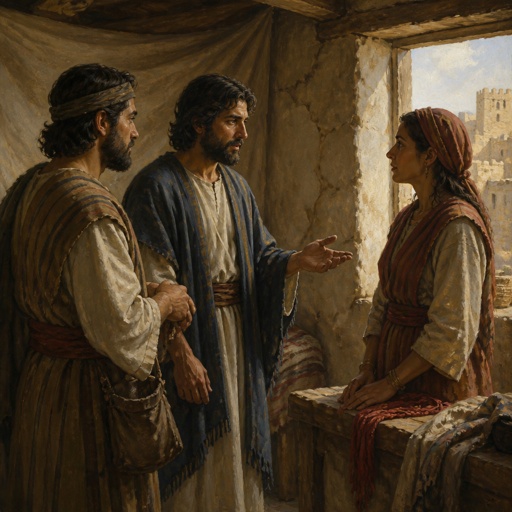
"And the men said unto her, We will be blameless of this thine oath which thou hast made us swear." - Joshua 2:17

Joshua 9:2 - "That they gathered themselves together, to fight with Joshua and with Israel, with one accord."

Joshua 13:17 - "Heshbon, and all her cities that are in the plain; Dibon, and Bamoth-baal, and Beth-baal-meon,"

Joshua 17:8 - "Now Manasseh had the land of Tappuah: but Tappuah on the border of Manasseh belonged to the children of Ephraim;"

Joshua 3:17 – "The priests who carried the ark of the covenant of the Lord stood firm on dry ground in the middle of the Jordan."

Joshua 17:14 - "And the children of Joseph spake unto Joshua, saying, Why hast thou given me but one lot and one portion to inherit, seeing I am a great people, forasmuch as the LORD hath blessed me hitherto?"

Joshua 1:16-17 (KJVA) 16 And they answered Joshua, saying, All that thou commandest us we will do, and whithersoever thou sendest us, we will go. 17 According as we hearkened unto Moses in all things, so will we hearken unto thee: only the LORD thy God be with thee, as he was with Moses.

Joshua 15:17 - "And Othniel the son of Kenaz, the brother of Caleb, took it: and he gave him Achsah his daughter to wife."

Numbers 34:17 - "These are the names of the men which shall divide the land unto you: Eleazar the priest, and Joshua the son of Nun."

Joshua 17:5 - "And there fell ten portions to Manasseh, beside the land of Gilead and Bashan, which were on the other side Jordan;"

Exodus 32:17 - "And when Joshua heard the noise of the people as they shouted, he said unto Moses, There is a noise of war in the camp."

Joshua 17:12 - "Yet the children of Manasseh could not drive out the inhabitants of those cities; but the Canaanites would dwell in that land."