Coexisting with Compromise: Lessons from Zebulun's Choice
“Neither did Zebulun drive out the inhabitants of Kitron, nor the inhabitants of Nahalol; but the Canaanites dwelt among them, and became tributaries.” — Judges 1:30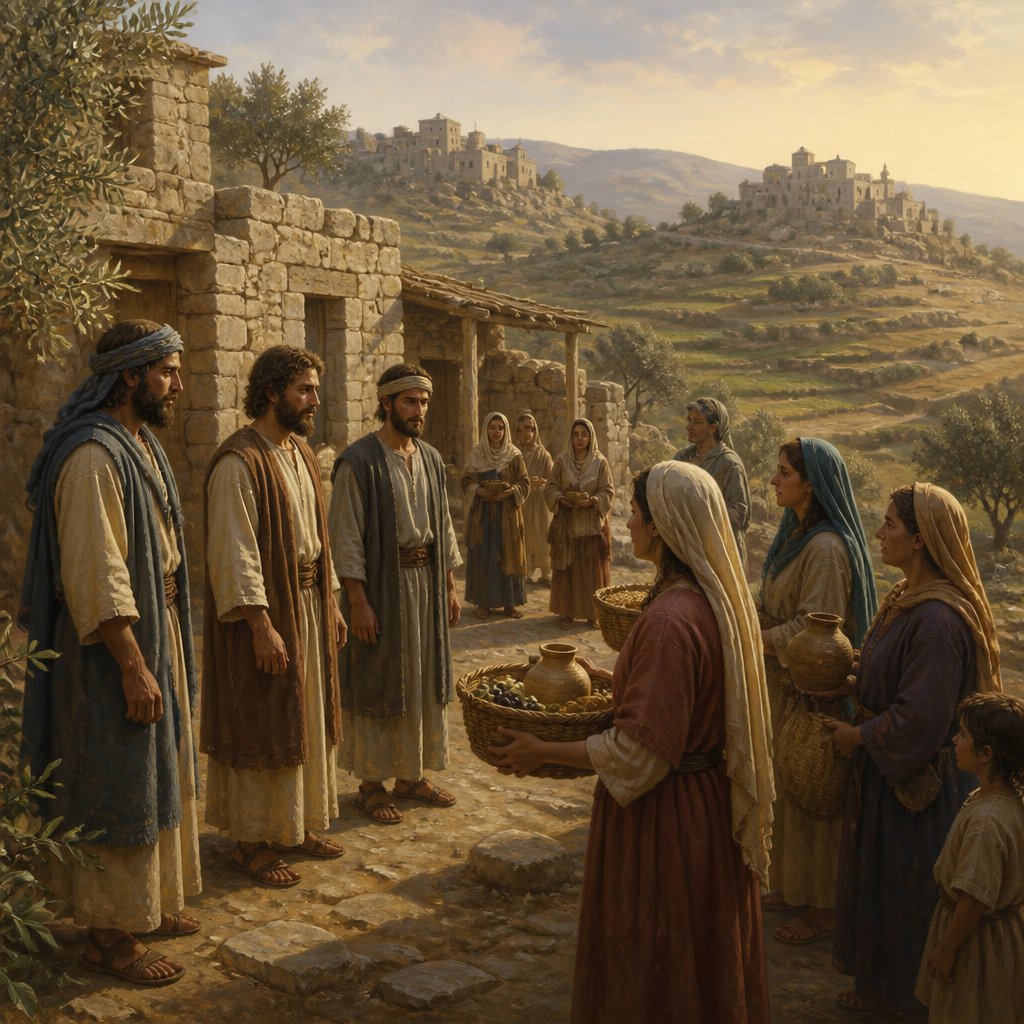
The book of Judges is a poignant reminder of the struggle between faithfulness and compromise. It reveals a cycle of disobedience, punishment, repentance, and deliverance that maps the spiritual journey of the Israelites. In Judges 1:30, we read, "Neither did Zebulun drive out the inhabitants of Kitron, nor the inhabitants of Nahalol; but the Canaanites dwelt among them, and became tributaries." This verse encapsulates a significant moment of failure and its implications for future generations.
Zebulun, one of the twelve tribes of Israel, was called to conquer the land promised to them—a task that would enable them to fully embrace the covenant God made with their ancestors. Yet, instead of fully driving out the Canaanites, they allowed these inhabitants to remain. This decision speaks volumes about the complexities of faith and the costs of compromise.
### The Cost of Compromise
When Zebulun chose not to drive out the inhabitants of Kitron and Nahalol, they essentially decided to accept coexistence with the Canaanites instead of total victory handed to them by God. This act of siding with compromise reflects a common theme found throughout Judges: the failure to fully obey God’s commands. By allowing the Canaanites to stay in their land, Zebulun adopted a mentality of acceptance towards what God had clearly called His people to defeat.
Compromise may start subtly. It often appears as a reasonable choice, a middle ground where both parties can exist without conflict. However, the long-term effects of such decisions can be devastating. The Israelites’ assimilation of Canaanites led them into idolatry and moral decline. They became tributaries not just in a financial sense but spiritually; they compromised their identity as God’s chosen people, surrendering their unique calling.
### The Danger of Coexisting with Sin
In our lives, it is easy to find parallels with Zebulun’s choice. We may encounter situations where sin—or habits and values that contradict God’s design—start to seep into our lives. Just as Zebulun coexisted with the Canaanites, we might find ourselves tolerating behaviors or mindsets that jeopardize our spiritual integrity. Living alongside these influences can dull our sensitivity to their effects, blurring the lines of right and wrong.
The danger lies not in the mere presence of these influences but in our response to them. When we fail to confront what God has called us to eradicate from our lives, we risk allowing them to shape our destinies. We may initially think we can manage the influence, but soon they can lead us away from God’s best for us, turning our hearts toward worldly values rather than His.
### Returning to Our First Love
As we reflect on Zebulun’s choice, we are called to examine our own lives. In what areas are we compromising? What Canaanites are we allowing to dwell in our hearts? It is crucial that we take a stand against these influences, as difficult as it may seem. The call to holiness is a call to separate ourselves from behaviors that do not reflect the character of Christ.
God’s command is not one of oppression but of liberation. He desires for us to thrive, and seeing the consequences of Zebulun’s choice shows us that partial obedience is destructive.
### Conclusion
In allowing the Canaanites to remain, Zebulun did not just confront a tactical failure; they lost the opportunity for abundance and peace. In many ways, we are presented with the same choice. We are invited to embrace God's power to drive out darkness from our lives entirely. Let us resolve to confront the Canaanites—whether they be attitudes, relationships, or beliefs—that hinder our walk with God. Let us choose not just coexistence but complete reliance on God’s strength, enabling us to reclaim the fullness of life He promises. May we continuously strive to grow closer to Him, steadfast in obedience, and unwavering in our commitment to sanctification.
Get our apps


Artwork for Judges 1:30

Judges 1:30 - "¶ Neither did Zebulun drive out the inhabitants of Kitron, nor the inhabitants of Nahalol; but the Canaanites dwelt among them, and became tributaries."
"¶ Neither did Zebulun drive out the inhabitants of Kitron, nor the inhabitants of Nahalol; but the Canaanites dwelt among them, and became tributaries." - Judges 1:30

judges 16:30

Sampson's strength judges 16:30

Judges 8:30 - "And Gideon had threescore and ten sons of his body begotten: for he had many wives."

Judges 9:30 - "¶ And when Zebul the ruler of the city heard the words of Gaal the son of Ebed, his anger was kindled."

Judges 3:30 - "So Moab was subdued that day under the hand of Israel. And the land had rest fourscore years."

Judges 16:30 – "Samson said, 'Let me die with the Philistines!' Then he pushed with all his might, and down came the temple."

Judges 11:30 - "And Jephthah vowed a vow unto the LORD, and said, If thou shalt without fail deliver the children of Ammon into mine hands,"

Judges 20:30 - "And the children of Israel went up against the children of Benjamin on the third day, and put themselves in array against Gibeah, as at other times."

Luke 22:30 - "That ye may eat and drink at my table in my kingdom, and sit on thrones judging the twelve tribes of Israel."

Judges 18:30 - "¶ And the children of Dan set up the graven image: and Jonathan, the son of Gershom, the son of Manasseh, he and his sons were priests to the tribe of Dan until the day of the captivity of the land."

Ezekiel 21:30 - "Shall I cause it to return into his sheath? I will judge thee in the place where thou wast created, in the land of thy nativity."
Judges 19:30 - "And it was so, that all that saw it said, There was no such deed done nor seen from the day that the children of Israel came up out of the land of Egypt unto this day: consider of it, take advice, and speak your minds."

Judges 6:30 - "Then the men of the city said unto Joash, Bring out thy son, that he may die: because he hath cast down the altar of Baal, and because he hath cut down the grove that was by it."

Matthew 7:1 - "Judge not, that ye be not judged."

Judges 4:4

Judges 2:31

Judges 3:31

Hebrews 10:30 - "For we know him that hath said, Vengeance belongeth unto me, I will recompense, saith the Lord. And again, The Lord shall judge his people."
"So Moab was subdued that day under the hand of Israel. And the land had rest fourscore years." - Judges 3:30
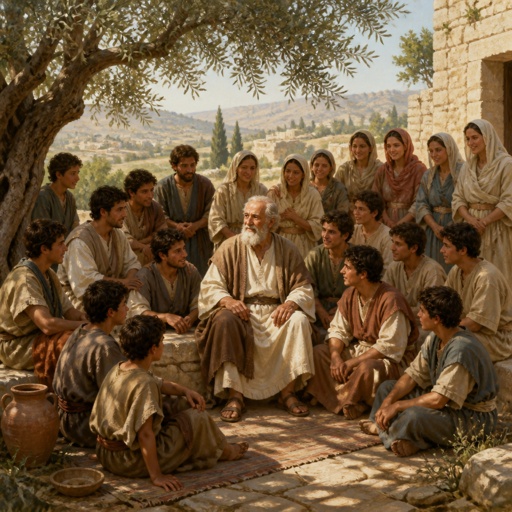
"And Gideon had threescore and ten sons of his body begotten: for he had many wives." - Judges 8:30
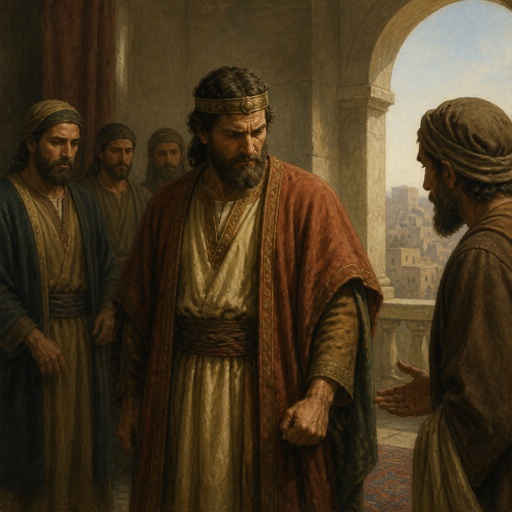
"¶ And when Zebul the ruler of the city heard the words of Gaal the son of Ebed, his anger was kindled." - Judges 9:30
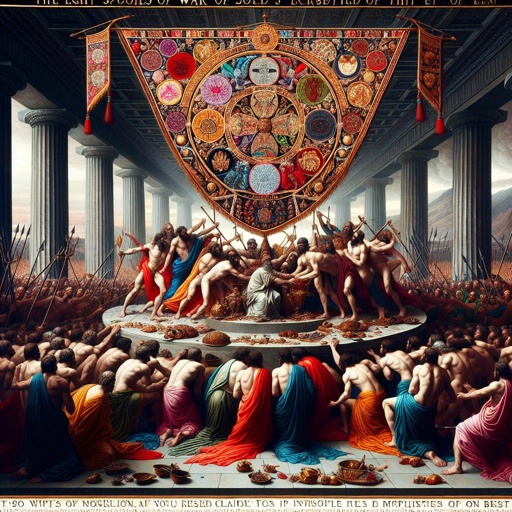
Judges 5:30 - "Have they not sped? have they not divided the prey; to every man a damsel or two; to Sisera a prey of divers colours, a prey of divers colours of needlework, of divers colours of needlework on both sides, meet for the necks of them that take the spoil?"

Matthew 7:1-2 - "Do not judge, or you too will be judged. For in the same way you judge others, you will be judged, and with the measure you use, it will be measured to you."

Genesis 30:6 - "And Rachel said, God hath judged me, and hath also heard my voice, and hath given me a son: therefore called she his name Dan."

1 Samuel 30:30 - "And to them which were in Hormah, and to them which were in Chorashan, and to them which were in Athach,"

Luke 1:30

"Judge not, that ye be not judged." - Matthew 7:1

1 Corinthians 11:31 - "For if we would judge ourselves, we should not be judged."