The Legacy of Leadership in Judges: Lessons from Tola
“And after Abimelech there arose to defend Israel Tola the son of Puah, the son of Dodo, a man of Issachar; and he dwelt in Shamir in mount Ephraim.” — Judges 10:1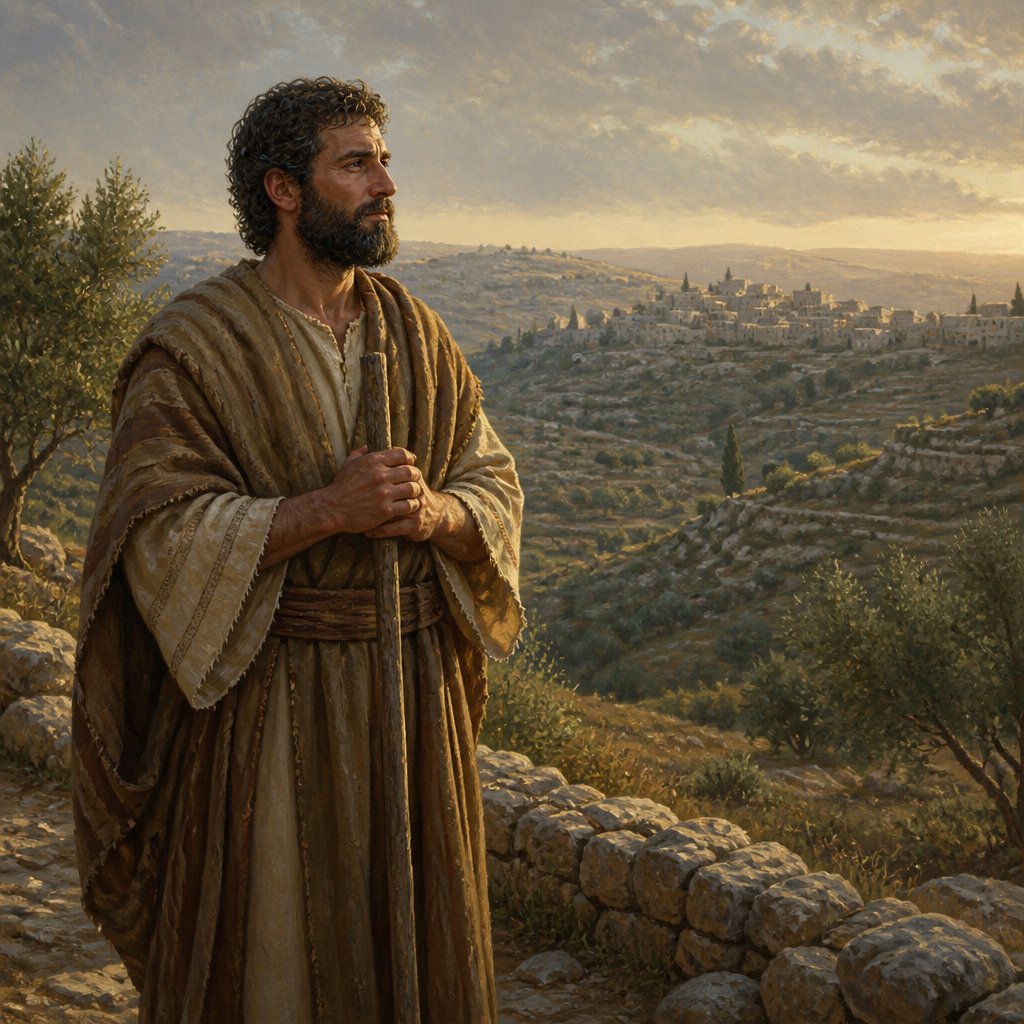
As we dive into the verse Judges 10:1, which states, “And after Abimelech there arose to defend Israel Tola the son of Puah, the son of Dodo, a man of Issachar; and he dwelt in Shamir in mount Ephraim,” we are introduced to a pivotal yet often overlooked character in the history of Israel. Tola rises in the aftermath of Abimelech's tumultuous rule—a reign marked by treachery and bloodshed. His emergence as a leader serves as a striking reminder of God's continued providence and the necessity of wise leadership in times of crisis.
Tola's lineage is noted in the text; he is identified as the son of Puah and the grandson of Dodo. Each name carries significance and a legacy of faithfulness. By tracing his ancestry, the scripture underlines the value of heritage and the influence of family. While Tola builds on this legacy, we should reflect on our own. What values and principles are we passing down through generations? Are we creating an environment where leaders can arise to stand for righteousness in the face of adversity?
Tola is described as a man from the tribe of Issachar, known for their understanding of the times (1 Chronicles 12:32). This tribal background is essential, for it implies that Tola possessed a discernment that was necessary to lead Israel. He was not merely a warrior; he was a man of insight and wisdom. In today’s world, we too must seek understanding and knowledge. Each one of us is called to discern the times in which we live, and the values we hold dear will shape how we respond to the issues surrounding our communities.
His decision to dwell in Shamir, a place in the hill country of Ephraim, highlights another aspect of Tola’s character. Shamir was not a major city but a place of stability and safety. Tola chose a location where he could be near his people, where he could make a difference without being in the political spotlight. This speaks to the heart of true leadership—not seeking fame or recognition, but embodying service and the desire to uplift others. In our lives, we can ask ourselves, do we seek recognition in our roles, or do we focus on the genuine impact we can have on those around us?
In contrast to Abimelech, who ruled through fear and manipulation, Tola defended Israel. His leadership style was likely characterized by compassion and a deep commitment to the well-being of his people. This represents a model for contemporary leadership that is servant-oriented rather than self-serving. It invites us to consider how we lead in our homes, workplaces, and communities. Are we leading with the heart of a servant? Are we defending the vulnerable and advocating for those who cannot advocate for themselves?
Moreover, Tola’s rise to power after Abimelech demonstrates that God always raises up leaders according to His perfect will. It assures us that He does not abandon His people even in the darkest times. God’s faithfulness is evident, and He continues to call individuals to fulfill His purposes. This assurance is particularly resonant for us today as we navigate a society often marked by chaos and division. We must trust that God is still active in our midst, calling men and women to defend truth, justice, and love.
In conclusion, as we reflect on the story of Tola, let us be inspired to cultivate the qualities of wisdom, understanding, and humility in our own lives. Let us be leaders who defend our communities, honoring our heritage while seeking God’s guidance in every decision we make. In a world filled with uncertainty, may we be like Tola—faithful stewards who rise to the challenge, serve our people, and ultimately, glorify God through our lives. Let us pray for God to raise up Tolas in our land, leaders who will defend and lead with conviction, understanding, and grace.
Get our apps


Artwork for Judges 10:1

Judges 10:1 - "And after Abimelech there arose to defend Israel Tola the son of Puah, the son of Dodo, a man of Issachar; and he dwelt in Shamir in mount Ephraim."
"And after Abimelech there arose to defend Israel Tola the son of Puah, the son of Dodo, a man of Issachar; and he dwelt in Shamir in mount Ephraim." - Judges 10:1
Judges 1:10 - "And Judah went against the Canaanites that dwelt in Hebron: (now the name of Hebron before was Kirjath-arba:) and they slew Sheshai, and Ahiman, and Talmai."

1 Corinthians 10:15 - "I speak as to wise men; judge ye what I say."

1 Corinthians 10:29 - "Conscience, I say, not thine own, but of the other: for why is my liberty judged of another man's conscience?"

Judges 10:5 - "And Jair died, and was buried in Camon."

Judges 12:10 - "Then died Ibzan, and was buried at Beth-lehem."

1 Chronicles 17:10 - "And since the time that I commanded judges to be over my people Israel. Moreover I will subdue all thine enemies. Furthermore I tell thee that the LORD will build thee an house."

Judges 10:2 - "And he judged Israel twenty and three years, and died, and was buried in Shamir."

Judges 10:3 - "¶ And after him arose Jair, a Gileadite, and judged Israel twenty and two years."

2 Chronicles 1:10 - "Give me now wisdom and knowledge, that I may go out and come in before this people: for who can judge this thy people, that is so great?"

Judges 9:10 - "And the trees said to the fig tree, Come thou, and reign over us."

"And Jair died, and was buried in Camon." - Judges 10:5

Psalms 2:10 - "Be wise now therefore, O ye kings: be instructed, ye judges of the earth."

Judges 5:10 - "Speak, ye that ride on white asses, ye that sit in judgment, and walk by the way."
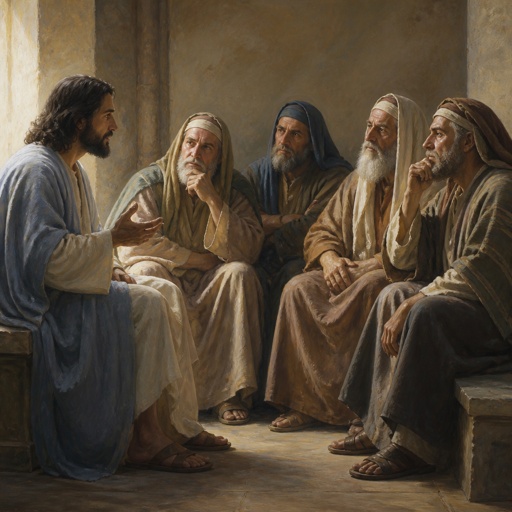
"I speak as to wise men; judge ye what I say." - 1 Corinthians 10:15

Judges 7:10 - "But if thou fear to go down, go thou with Phurah thy servant down to the host:"

Judges 10:10 - "¶ And the children of Israel cried unto the LORD, saying, We have sinned against thee, both because we have forsaken our God, and also served Baalim."

"Then died Ibzan, and was buried at Beth-lehem." - Judges 12:10

Matthew 7:1 - "Judge not, that ye be not judged."

Judges 10:7 - "And the anger of the LORD was hot against Israel, and he sold them into the hands of the Philistines, and into the hands of the children of Ammon."

Judges 10:13 - "Yet ye have forsaken me, and served other gods: wherefore I will deliver you no more."

Judges 4:4

Judges 2:31

Judges 3:31

Judges 10:16 - "And they put away the strange gods from among them, and served the LORD: and his soul was grieved for the misery of Israel."

Judges 10:17 - "Then the children of Ammon were gathered together, and encamped in Gilead. And the children of Israel assembled themselves together, and encamped in Mizpeh."
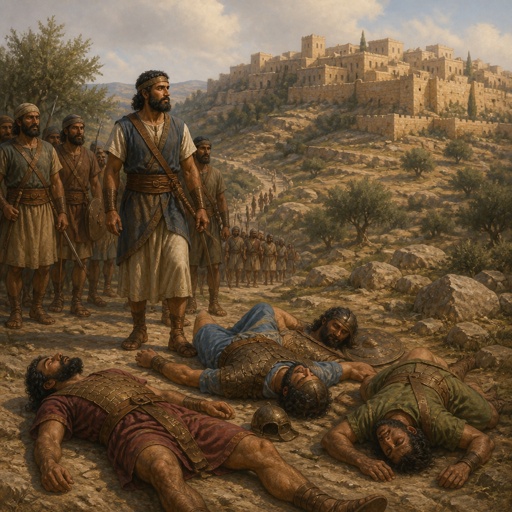
"And Judah went against the Canaanites that dwelt in Hebron: (now the name of Hebron before was Kirjath-arba:) and they slew Sheshai, and Ahiman, and Talmai." - Judges 1:10

Matthew 7:1-2 - "Do not judge, or you too will be judged. For in the same way you judge others, you will be judged, and with the measure you use, it will be measured to you."

Judges 11:10 - "And the elders of Gilead said unto Jephthah, The LORD be witness between us, if we do not so according to thy words."