The Unity of Purpose: A Call to Genuine Fellowship
“And the men of Ephraim gathered themselves together, and went northward, and said unto Jephthah, Wherefore passedst thou over to fight against the children of Ammon, and didst not call us to go with thee? we will burn thine house upon thee with fire.” — Judges 12:1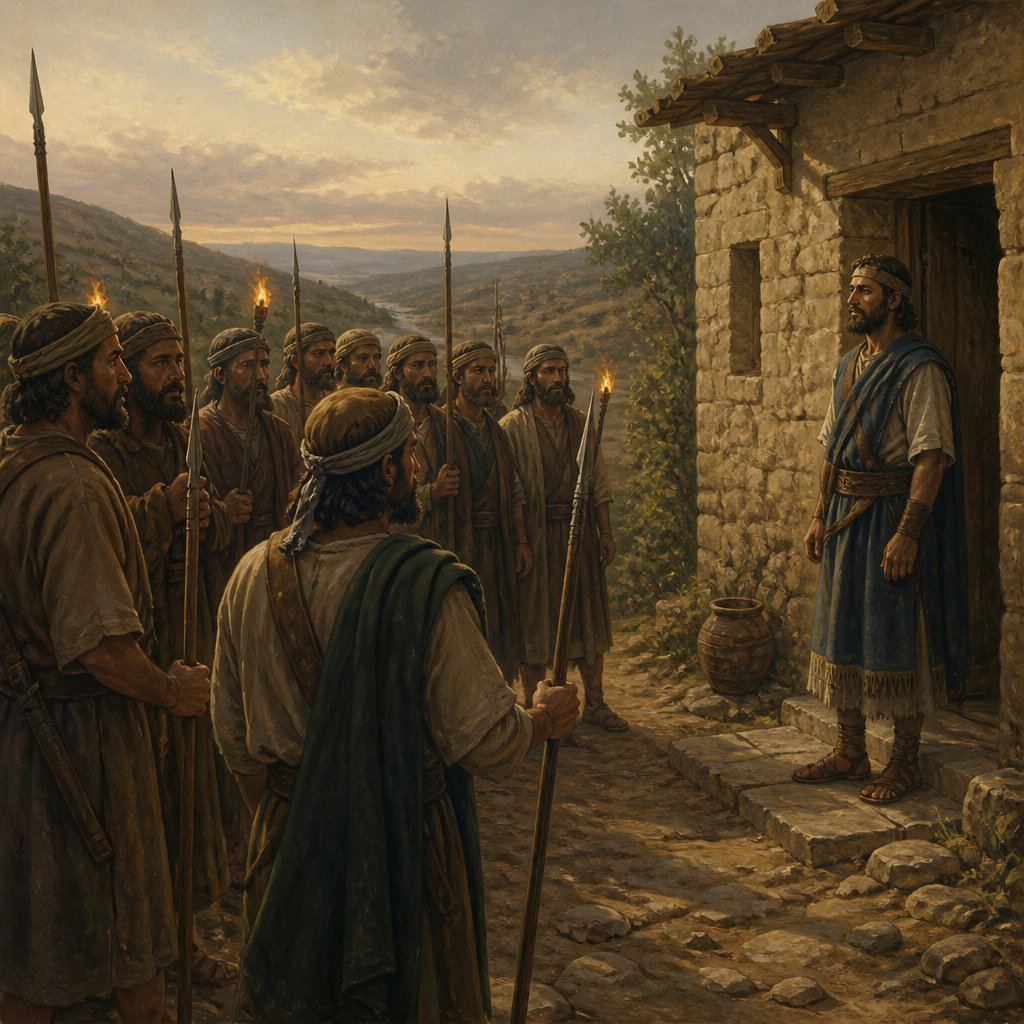
As we dive into the depths of Judges 12:1, we encounter a moment that reveals much about human nature, community, and the importance of unity in purpose. The King James Version poignantly states, "And the men of Ephraim gathered themselves together, and went northward, and said unto Jephthah, Wherefore passedst thou over to fight against the children of Ammon, and didst not call us to go with thee? we will burn thine house upon thee with fire."
At first glance, this might seem like an ancient quarrel between clans; however, it unveils profound truths about the dangers of division among God’s people. The men of Ephraim challenge Jephthah, the judge, questioning his leadership and decisions. Their reaction—one of anger, even to the point of threats—illustrates a critical dynamic that often surfaces within communities: the spirit of jealousy and exclusion.
### The Background of Jephthah's Leadership
To fully understand this confrontation, we must remember the background of Jephthah. He was an unlikely leader, a son of a harlot, and initially cast out by his own people. Yet, when the Ammonites posed a grave threat, the elders of Gilead sought him out, recognizing the unique gifts God had placed within him. Jephthah was reluctant yet responsive, illustrating obedience to God's call despite his past hurts (Judges 11).
In the battle against Ammon, Jephthah sought victory through reliance on the Lord, making a vow that cost him dearly. Ironically, instead of celebrating his leadership and the victory attained by faith, the men of Ephraim allowed personal grievances to cloud their judgment. They were not there when the battle was fought, yet they wanted to claim glory and recognition. How often do we find ourselves in similar situations, desiring acknowledgement for work we did not invest effort into?
### The Danger of Jealousy and Division
Ephraim’s reaction reveals a dangerous mindset cultivated by jealousy. Their threats against Jephthah were more than just irritation; they indicated a lack of understanding of unity in purpose. The Body of Christ is called to be united (1 Corinthians 12:12-27) where every member plays a vital role in the mission God has set for us. Jephthah’s battle was not solely his; it was for the people of Israel. In moments of tension or when we feel overlooked, we must ground ourselves in God's truth that promotes solidarity rather than strife.
The phrase "we will burn thine house upon thee with fire" is intense and speaks to their desire to destroy Jephthah instead of confronting their own hearts. This serves as a sobering reminder of how quickly we can escalate situations with anger if we do not guard our hearts (Proverbs 4:23). Unity is cultivated through love, understanding, and active participation, not through threats and bitterness.
### Cultivating Unity in Our Communities
As we reflect on this passage, it challenges us to examine how we respond to our leadership and each other within our communities. Are we fostering an environment where everyone feels included? Are we quick to assume the worst of others or to seek understanding and resolution?
Jephthah’s response to Ephraim's aggression shows maturity. Instead of retaliating in anger, he sought to clarify the misunderstanding. He reminded them of the efforts made against Ammon and the sense in which they had faced the battle without their assistance. Leaders—both in the church and in our families—must strive to foster clarity, communication, and reconciliation.
### Conclusion
In conclusion, Judges 12:1 is a powerful reminder of the need for unity in our collective mission. We are called to work together in love, bearing one another’s burdens and rejoicing in our accomplishments without jealousy or division. Let us be those who gather together not to fight against each other but to lift one another up in purpose and prayer, ensuring that our hearts stay firmly aligned in the mission God has given us. When we are united, we reflect God's glory in a world that desperately needs to see it. Let’s choose today to build bridges, not walls, encouraging one another in the body of Christ.
Get our apps


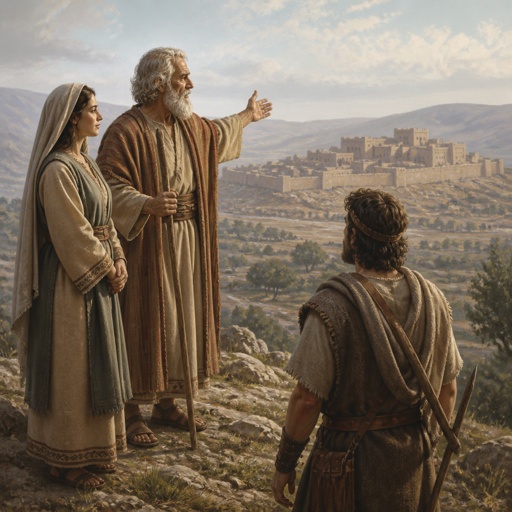
Artwork for Judges 12:1

Judges 12:1 - "And the men of Ephraim gathered themselves together, and went northward, and said unto Jephthah, Wherefore passedst thou over to fight against the children of Ammon, and didst not call us to go with thee? we will burn thine house upon thee with fire."
"And the men of Ephraim gathered themselves together, and went northward, and said unto Jephthah, Wherefore passedst thou over to fight against the children of Ammon, and didst not call us to go with thee? we will burn thine house upon thee with fire." - Judges 12:1

1 Corinthians 5:12 - "For what have I to do to judge them also that are without? do not ye judge them that are within?"
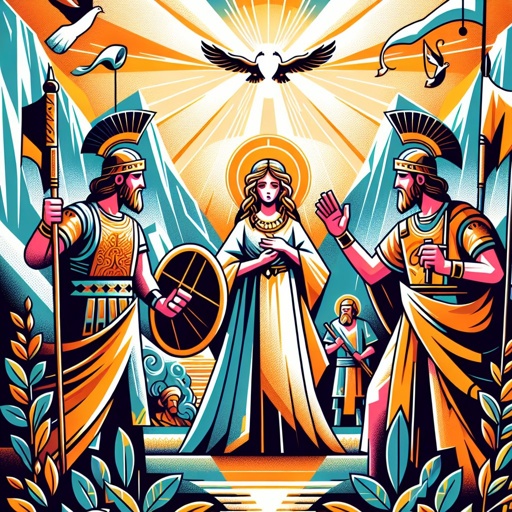
Judges 1:12 - "And Caleb said, He that smiteth Kirjath-sepher, and taketh it, to him will I give Achsah my daughter to wife."

Judges 12:12 - "And Elon the Zebulonite died, and was buried in Aijalon in the country of Zebulun."

Judges 12:11 - "¶ And after him Elon, a Zebulonite, judged Israel; and he judged Israel ten years."

1 Samuel 24:12 - "The LORD judge between me and thee, and the LORD avenge me of thee: but mine hand shall not be upon thee."

Judges 12:8 - "¶ And after him Ibzan of Beth-lehem judged Israel."

Judges 12:10 - "Then died Ibzan, and was buried at Beth-lehem."

Judges 12:13 - "¶ And after him Abdon the son of Hillel, a Pirathonite, judged Israel."
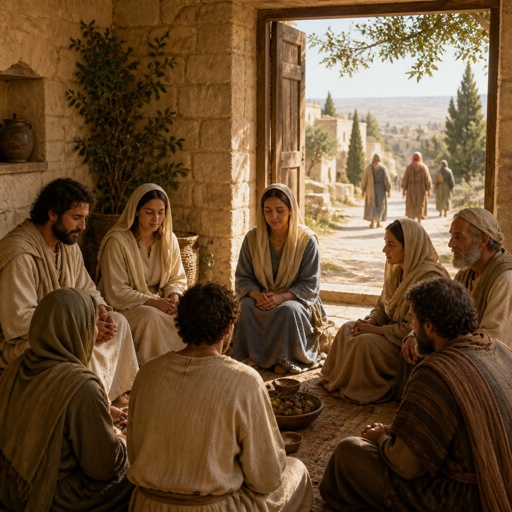
"For what have I to do to judge them also that are without? do not ye judge them that are within?" - 1 Corinthians 5:12

"And Elon the Zebulonite died, and was buried in Aijalon in the country of Zebulun." - Judges 12:12

Job 12:17 - "He leadeth counsellors away spoiled, and maketh the judges fools."

Judges 12:7 - "And Jephthah judged Israel six years. Then died Jephthah the Gileadite, and was buried in one of the cities of Gilead."

Judges 4:12 - "And they shewed Sisera that Barak the son of Abinoam was gone up to mount Tabor."

Judges 9:12 - "Then said the trees unto the vine, Come thou, and reign over us."

Judges 17:12 - "And Micah consecrated the Levite; and the young man became his priest, and was in the house of Micah."

John 12:47 - "And if any man hear my words, and believe not, I judge him not: for I came not to judge the world, but to save the world."

Judges 12:15 - "And Abdon the son of Hillel the Pirathonite died, and was buried in Pirathon in the land of Ephraim, in the mount of the Amalekites."

Judges 12:14 - "And he had forty sons and thirty nephews, that rode on threescore and ten ass colts: and he judged Israel eight years."
"And Caleb said, He that smiteth Kirjath-sepher, and taketh it, to him will I give Achsah my daughter to wife." - Judges 1:12

"¶ And after him Ibzan of Beth-lehem judged Israel." - Judges 12:8

"Then died Ibzan, and was buried at Beth-lehem." - Judges 12:10

"¶ And after him Elon, a Zebulonite, judged Israel; and he judged Israel ten years." - Judges 12:11

"¶ And after him Abdon the son of Hillel, a Pirathonite, judged Israel." - Judges 12:13

Matthew 7:1 - "Judge not, that ye be not judged."

Judges 6:12 - "And the angel of the LORD appeared unto him, and said unto him, The LORD is with thee, thou mighty man of valour."

Judges 20:12 - "¶ And the tribes of Israel sent men through all the tribe of Benjamin, saying, What wickedness is this that is done among you?"

Judges 4:4

Judges 2:31