Crossing the Jordan: A Reflection on Identity and Belonging
“And the Gileadites took the passages of Jordan before the Ephraimites: and it was so, that when those Ephraimites which were escaped said, Let me go over; that the men of Gilead said unto him, Art thou an Ephraimite? If he said, Nay;” — Judges 12:5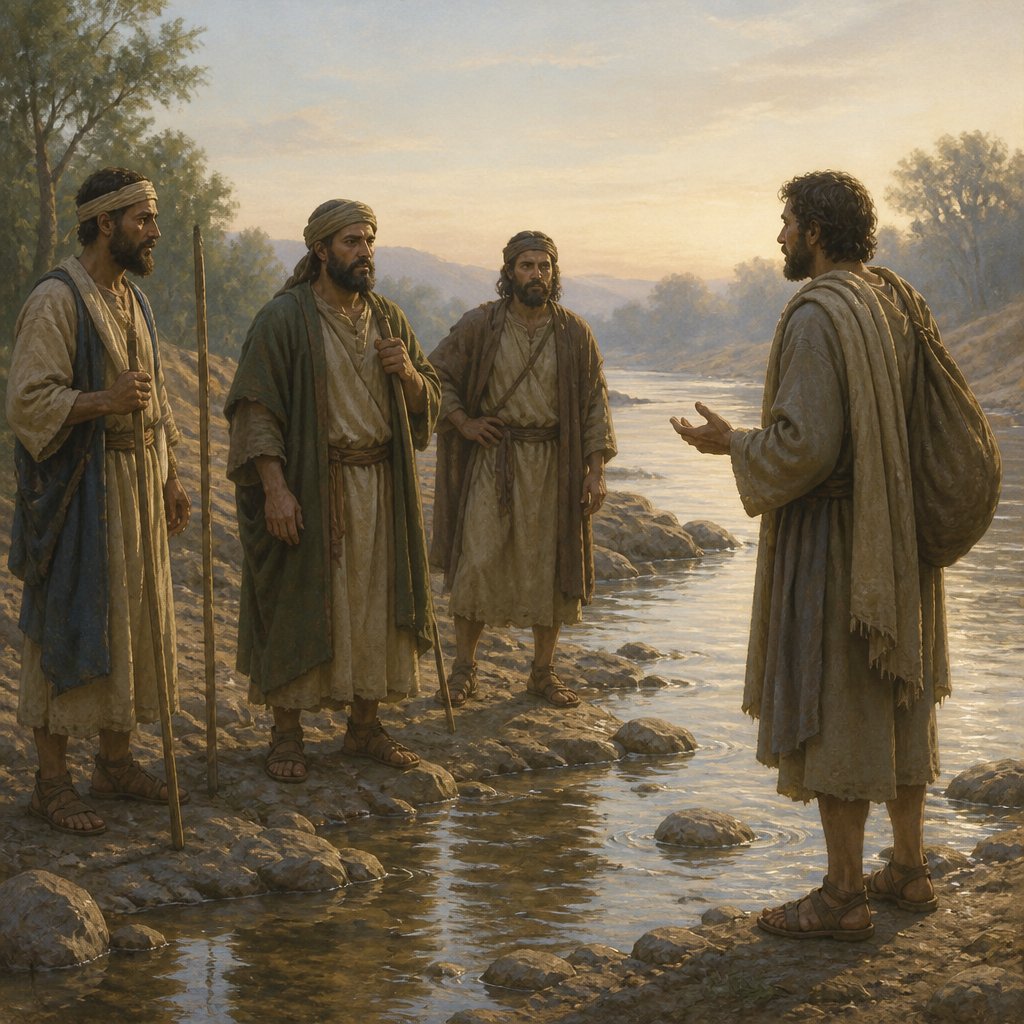
In the Book of Judges, Chapter 12, we encounter a tense and defining moment in the history of the Gileadites and the Ephraimites. The verse states, "And the Gileadites took the passages of Jordan before the Ephraimites: and it was so, that when those Ephraimites which were escaped said, Let me go over; that the men of Gilead said unto him, Art thou an Ephraimite? If he said, Nay;" (Judges 12:5 KJV). This brief narrative is rich with insights about identity, belonging, and the often painful divisions that exist among God’s people.
To understand this passage fully, we first need to grasp its historical context. The Gileadites and the Ephraimites were two distinct tribes of Israel, each with their unique identities and heritage. Following a conflict, the Gileadites found themselves in a position of strength and control over the Jordan River crossings. The passage highlights a crucial moment when the Ephraimites, after suffering losses, sought refuge and passage to safety, only to confront an identity test instituted by the Gileadites.
The question posed by the men of Gilead, "Art thou an Ephraimite?" serves as a stark reminder of how entrenched tribal and ethnic identities can dictate our interactions with each other. Imagine the Ephraimite fleeing for their lives, desperate to cross the river, only to be met with suspicion that is not born out of individual guilt or transgression but rather due to the group’s historical rivalry. This dynamic serves as a mirror to our own experiences, both in society and within the Church, where divisions based on denominational lines, cultural backgrounds, or ideological differences persist.
At the heart of this story rests a poignant question: Who are we, and what do we allow to define us? The Ephraimite's answer determines whether he is accepted or rejected by the Gileadites, embodying the existential struggle we all face. In our lives, we often grapple with the labels others place upon us. Are we defined by our race, nationality, or religious affiliation? Or can we find a deeper identity that transcends these divisions?
As believers, our ultimate identity is found in Christ. Galatians 3:28 reminds us that "There is neither Jew nor Greek, bond nor free, male nor female: for ye are all one in Christ Jesus." This verse offers a profound truth: we are called to see beyond our differences and to embrace a shared identity as children of God. Yet, just like the Ephraimites, we may find ourselves navigating the treacherous waters of societal barriers and personal prejudices that seek to separate us from one another.
The Gileadites showed a practical caution; however, their actions exposed the peril of allowing fear to dictate their interactions. They had the power to offer grace and refuge but instead chose suspicion and exclusion. This reflects a common pattern in human behavior: fear breeds divisions that can result in hostility and misunderstanding.
As we meditate on this scripture today, let us examine our own responses to those considered ‘different’ or ‘other’ in our eyes. Are we barriers to their passage across the rivers of fear and prejudice? Are we the Gileadites, standing at the riverside, with arms crossed in judgment? Alternatively, are we the Ephraimites, struggling for acceptance and understanding in a world that often builds walls rather than bridges?
Moreover, this passage invites us to ask how we can embody the love of Christ in our responses to those on the other side of our metaphorical Jordan rivers. How can we dismantle the barriers of suspicion and create pathways of grace? This is the challenge for the Church today—to reflect the heart of God who desires not the division of His people but their unity.
Let us pray for the wisdom to recognize and dismantle the ‘Jordan rivers’ in our lives and communities, forging connections rather than divisions, and embracing that we are all called to the same family in Christ.
Get our apps


Artwork for Judges 12:5

Judges 12:5 - "And the Gileadites took the passages of Jordan before the Ephraimites: and it was so, that when those Ephraimites which were escaped said, Let me go over; that the men of Gilead said unto him, Art thou an Ephraimite? If he said, Nay;"
"And the Gileadites took the passages of Jordan before the Ephraimites: and it was so, that when those Ephraimites which were escaped said, Let me go over; that the men of Gilead said unto him, Art thou an Ephraimite? If he said, Nay;" - Judges 12:5

1 Corinthians 5:12 - "For what have I to do to judge them also that are without? do not ye judge them that are within?"

Judges 5:12 - "Awake, awake, Deborah: awake, awake, utter a song: arise, Barak, and lead thy captivity captive, thou son of Abinoam."
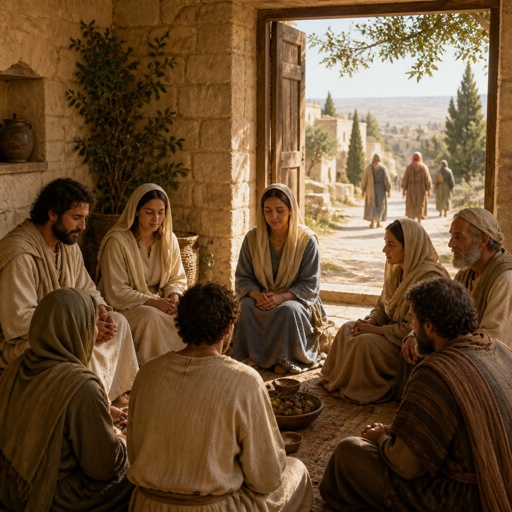
"For what have I to do to judge them also that are without? do not ye judge them that are within?" - 1 Corinthians 5:12

Judges 12:12 - "And Elon the Zebulonite died, and was buried in Aijalon in the country of Zebulun."

Judges 5:7

Judges 12:11 - "¶ And after him Elon, a Zebulonite, judged Israel; and he judged Israel ten years."

Judges 12:8 - "¶ And after him Ibzan of Beth-lehem judged Israel."

Judges 12:10 - "Then died Ibzan, and was buried at Beth-lehem."

Judges 10:5 - "And Jair died, and was buried in Camon."

Judges 12:13 - "¶ And after him Abdon the son of Hillel, a Pirathonite, judged Israel."

Judges 5:5 - "The mountains melted from before the LORD, even that Sinai from before the LORD God of Israel."
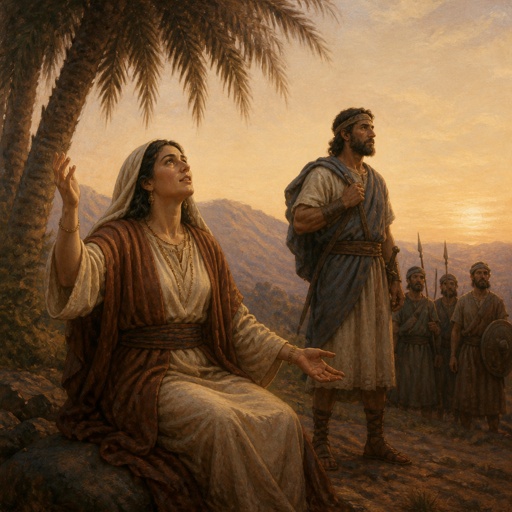
"Awake, awake, Deborah: awake, awake, utter a song: arise, Barak, and lead thy captivity captive, thou son of Abinoam." - Judges 5:12

"And Elon the Zebulonite died, and was buried in Aijalon in the country of Zebulun." - Judges 12:12

Job 12:17 - "He leadeth counsellors away spoiled, and maketh the judges fools."

Judges 5:1 - "Then sang Deborah and Barak the son of Abinoam on that day, saying,"

Judges 2:5 - "And they called the name of that place Bochim: and they sacrificed there unto the LORD."

Judges 12:7 - "And Jephthah judged Israel six years. Then died Jephthah the Gileadite, and was buried in one of the cities of Gilead."

Judges 4:12 - "And they shewed Sisera that Barak the son of Abinoam was gone up to mount Tabor."

Judges 9:12 - "Then said the trees unto the vine, Come thou, and reign over us."

Judges 5:20 - "They fought from heaven; the stars in their courses fought against Sisera."

Judges 5:22 - "Then were the horsehoofs broken by the means of the pransings, the pransings of their mighty ones."

Judges 17:12 - "And Micah consecrated the Levite; and the young man became his priest, and was in the house of Micah."

John 12:47 - "And if any man hear my words, and believe not, I judge him not: for I came not to judge the world, but to save the world."

"And Jair died, and was buried in Camon." - Judges 10:5

Judges 12:15 - "And Abdon the son of Hillel the Pirathonite died, and was buried in Pirathon in the land of Ephraim, in the mount of the Amalekites."

Judges 5:29 - "Her wise ladies answered her, yea, she returned answer to herself,"

Judges 5:10 - "Speak, ye that ride on white asses, ye that sit in judgment, and walk by the way."

Judges 5:2 - "Praise ye the LORD for the avenging of Israel, when the people willingly offered themselves."