The Cost of Conflict: Lessons from Jephthah and the Gileadites
“Then Jephthah gathered together all the men of Gilead, and fought with Ephraim: and the men of Gilead smote Ephraim, because they said, Ye Gileadites are fugitives of Ephraim among the Ephraimites, and among the Manassites.” — Judges 12:4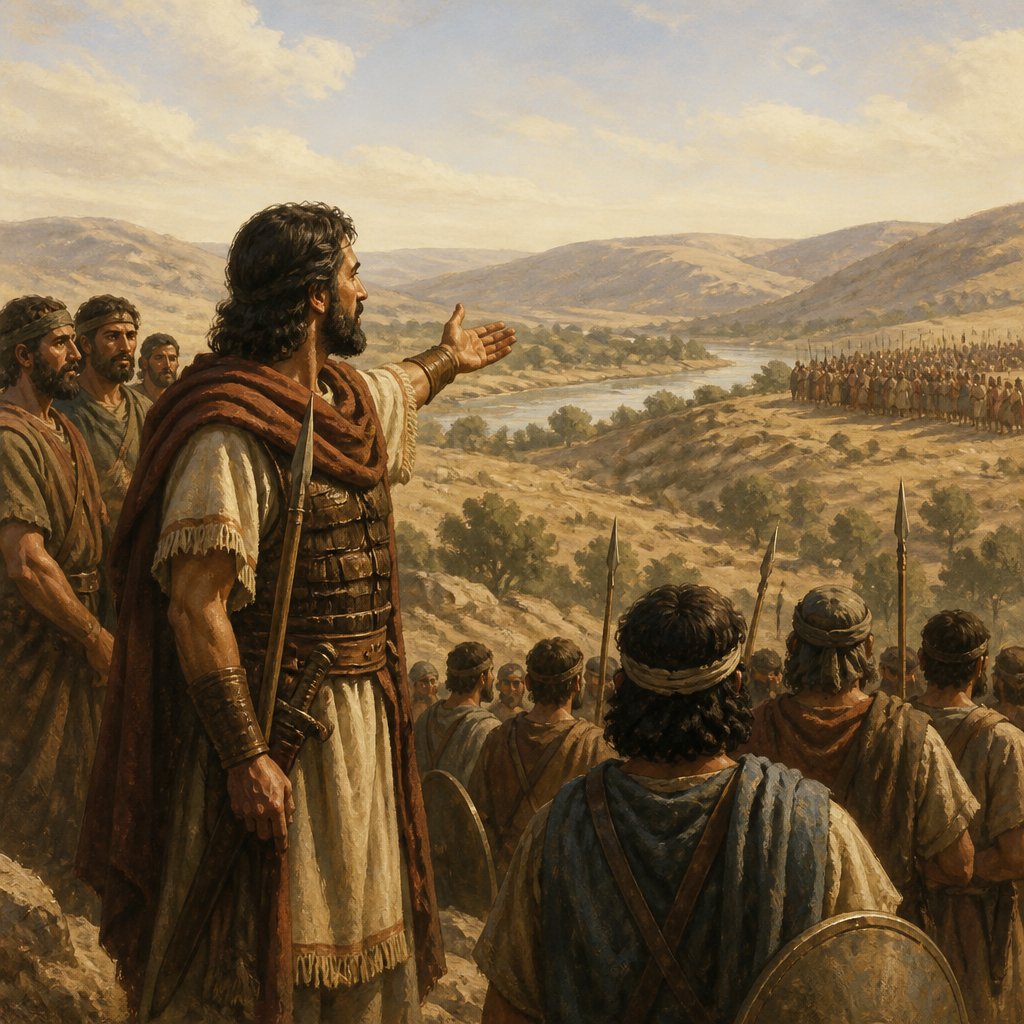
In Judges 12:4, we encounter a vivid and turbulent moment in the history of Israel, where Jephthah, the leader of Gilead, finds himself in conflict with the tribe of Ephraim. The verse reads: "Then Jephthah gathered together all the men of Gilead, and fought with Ephraim: and the men of Gilead smote Ephraim, because they said, Ye Gileadites are fugitives of Ephraim among the Ephraimites, and among the Manassites." This passage not only highlights the external conflict but, more importantly, reveals the underlying social dynamics and the devastating consequences of disunity among God's people.
### The Nature of Conflict
At first glance, Jephthah’s battle against Ephraim may seem merely like a military struggle. However, as we delve deeper, we realize that this conflict was stoked by misunderstandings, cultural tensions, and deep-seated rivalries. The Ephraimites accused the Gileadites of being "fugitives," labeling them as lesser people divided by social status and origin within Israel. This name-calling indicated a profound fracture that extended beyond physical territory; it was a fracturing of identities, loyalties, and brotherhood among God's chosen people.
In our daily lives, we face similar conflicts. Whether in our families, workplaces, or churches, misunderstandings and rivalries can emerge from trivial matters, fueled by pride, past grievances, or societal pressures. The question we should reflect upon is: what do we allow to divide us? The Ephraimites' derogatory remarks about the Gileadites remind us of how easily we can slip into an adversarial mindset, dismissing others not just as fellow believers but as adversaries worthy of scorn.
### The Role of Leadership
The character of Jephthah is fascinating. He was a man who initially faced rejection from his own community, deemed an outcast because he was the son of a harlot. Yet, despite his beginnings, he was called to lead. In this context, Jephthah's gathering of the men of Gilead was not just an act of military prowess but also an assertion of identity and unity in the face of derogatory claims. He fought not just for victory but for recognition and acceptance of his people.
Jephthah's leadership exemplifies the biblical principle that God can use us, regardless of our pasts or the rejection we might have faced, to stand against division and foster unity. He steered the Gileadites toward a defense of their dignity, reminding us that God often raises leaders from unexpected places. Each of us, in our contexts, can take on the mantle of leadership to advocate for clarity in our relationships and strive for harmony among brethren, even when tensions arise.
### The Consequences of Division
The aftermath of Jephthah's confrontation with Ephraim serves as a cautionary tale. The men of Gilead did achieve their objective; they overcame the Ephraimites. However, the cost was grievous. Many lives were lost, and the schism further sullied relationships among the tribes of Israel. The high price of conflict teaches us the importance of seeking reconciliation rather than division. Ephraim and Gilead's story challenges us to be peacemakers, as articulated in Matthew 5:9: "Blessed are the peacemakers: for they shall be called the children of God."
### Conclusion
As we meditate on Judges 12:4, let us ask ourselves how we might be contributing to conflict in our circles. Are we labeling others unfairly? Are we allowing misunderstandings to foster division? Jephthah's story calls us to embrace our identities in Christ and recognize our roles as ambassadors of peace. May we gather together, not in arms but in love, unity, and mutual respect. Indeed, unity among brethren is more powerful than any weapon – after all, as the Apostle Paul reminds us in Ephesians 4:3, we are called to "endeavor to keep the unity of the Spirit in the bond of peace.”
Get our apps


Artwork for Judges 12:4

Judges 12:4 - "Then Jephthah gathered together all the men of Gilead, and fought with Ephraim: and the men of Gilead smote Ephraim, because they said, Ye Gileadites are fugitives of Ephraim among the Ephraimites, and among the Manassites."
"Then Jephthah gathered together all the men of Gilead, and fought with Ephraim: and the men of Gilead smote Ephraim, because they said, Ye Gileadites are fugitives of Ephraim among the Ephraimites, and among the Manassites." - Judges 12:4

Judges 4:12 - "And they shewed Sisera that Barak the son of Abinoam was gone up to mount Tabor."
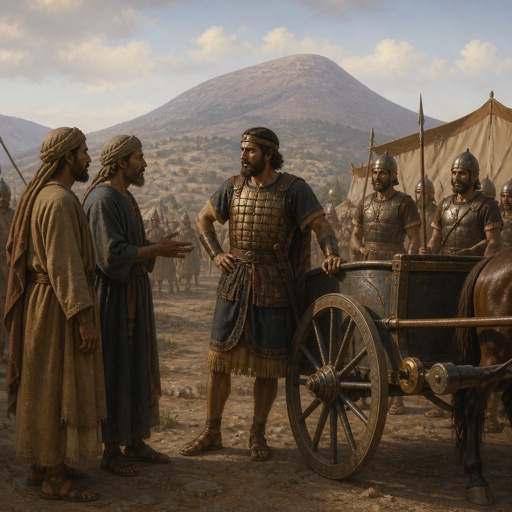
"And they shewed Sisera that Barak the son of Abinoam was gone up to mount Tabor." - Judges 4:12

Judges 4:4

Judges 12:12 - "And Elon the Zebulonite died, and was buried in Aijalon in the country of Zebulun."

Judges 4:4 - "¶ And Deborah, a prophetess, the wife of Lapidoth, she judged Israel at that time."

Judges 12:11 - "¶ And after him Elon, a Zebulonite, judged Israel; and he judged Israel ten years."

Judges 12:8 - "¶ And after him Ibzan of Beth-lehem judged Israel."

Judges 12:10 - "Then died Ibzan, and was buried at Beth-lehem."

Judges 12:13 - "¶ And after him Abdon the son of Hillel, a Pirathonite, judged Israel."

"And Elon the Zebulonite died, and was buried in Aijalon in the country of Zebulun." - Judges 12:12

Job 12:17 - "He leadeth counsellors away spoiled, and maketh the judges fools."

Judges 4:4 - "¶ And Deborah, a prophetess, the wife of Lapidoth, she judged Israel at that time."

Judges 12:7 - "And Jephthah judged Israel six years. Then died Jephthah the Gileadite, and was buried in one of the cities of Gilead."

Judges 9:12 - "Then said the trees unto the vine, Come thou, and reign over us."

"¶ And Deborah, a prophetess, the wife of Lapidoth, she judged Israel at that time." - Judges 4:4

Judges 17:12 - "And Micah consecrated the Levite; and the young man became his priest, and was in the house of Micah."

1 Corinthians 5:12 - "For what have I to do to judge them also that are without? do not ye judge them that are within?"

James 2:4 - "Are ye not then partial in yourselves, and are become judges of evil thoughts?"

John 12:47 - "And if any man hear my words, and believe not, I judge him not: for I came not to judge the world, but to save the world."

Judges 12:15 - "And Abdon the son of Hillel the Pirathonite died, and was buried in Pirathon in the land of Ephraim, in the mount of the Amalekites."

Judges 4:15 – "The Lord routed Sisera and all his chariots and army by the sword."

Judges 12:14 - "And he had forty sons and thirty nephews, that rode on threescore and ten ass colts: and he judged Israel eight years."

"¶ And after him Ibzan of Beth-lehem judged Israel." - Judges 12:8

"Then died Ibzan, and was buried at Beth-lehem." - Judges 12:10

"¶ And after him Elon, a Zebulonite, judged Israel; and he judged Israel ten years." - Judges 12:11

Judges 4:23 - "So God subdued on that day Jabin the king of Canaan before the children of Israel."

Judges 4:1 - "And the children of Israel again did evil in the sight of the LORD, when Ehud was dead."

Judges 11:4 - "¶ And it came to pass in process of time, that the children of Ammon made war against Israel."