A Promise in the Barrenness
“And the angel of the LORD appeared unto the woman, and said unto her, Behold now, thou art barren, and bearest not: but thou shalt conceive, and bear a son.” — Judges 13:3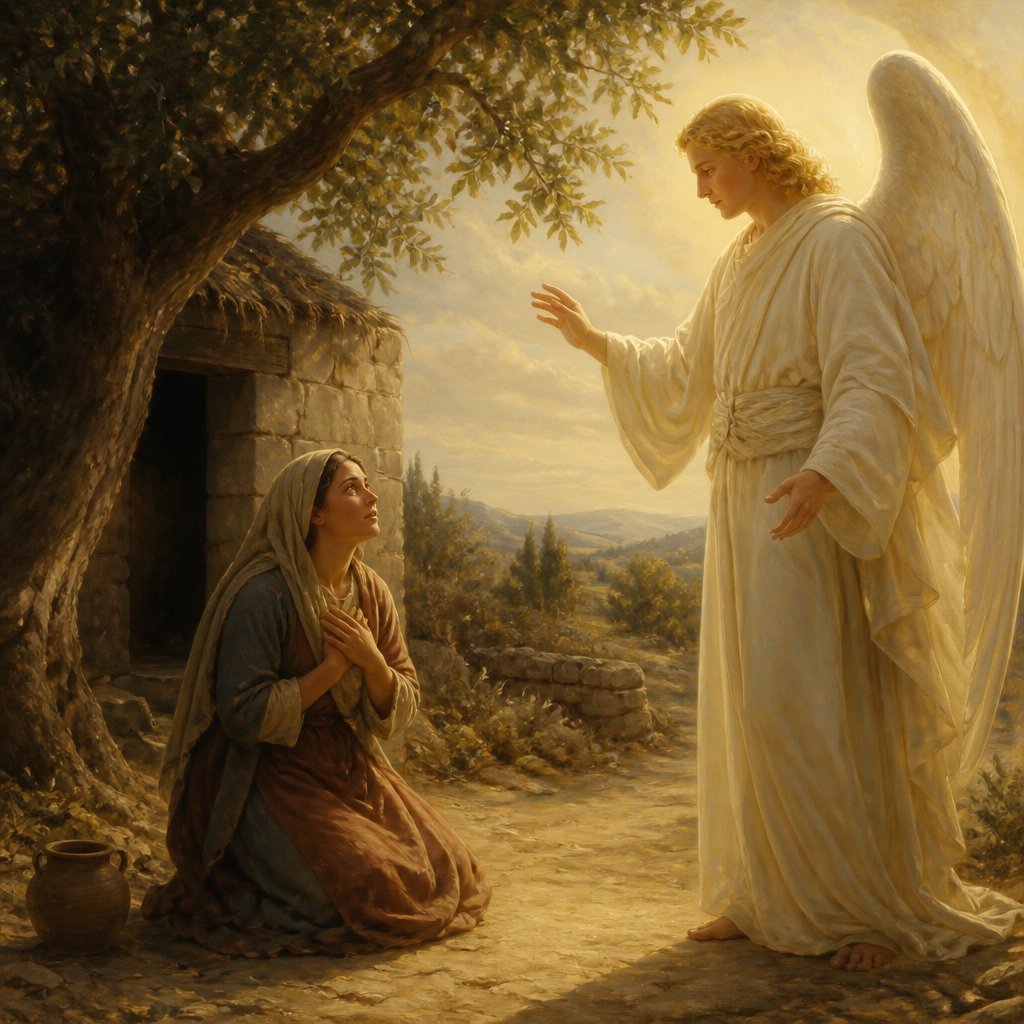
In the midst of our most profound struggles, God often speaks His loudest. The story in Judges 13:3 serves as a poignant reminder of His divine intervention in situations where hope seems lost. The verse states: "And the angel of the LORD appeared unto the woman, and said unto her, Behold now, thou art barren, and bearest not: but thou shalt conceive, and bear a son."
At first glance, this passage introduces us to an unnamed woman, referred to simply as the wife of Manoah. Her initial condition—barrenness—is a significant reality for many in biblical times and resonates deeply with human experience today. Barrenness represents not only the physical incapacity to bear children but also a spiritual state of feeling empty, unfulfilled, and perhaps forgotten by God.
The barrenness faced by Manoah’s wife took place in a context of tremendous societal pressure and expectation. Women were often valued by their ability to bear children, and barrenness was a source of shame and despair. The weight of this cultural stigma could lead to feelings of abandonment and hopelessness. It is to this place of deep sorrow and longing that the angel of the Lord appears, delivering news that must have seemed impossible amid her barrenness.
The angel brings a message of profound hope: "but thou shalt conceive, and bear a son." Here, we see the heart of God unveiling a promise. Despite the situation’s current reality, God’s word stands irrevocably true. This promise does not come with a timeline or a checklist of requirements; it is a simple and divine declaration that transcends the laws of nature. It is a testimony to the faithfulness and power of God, who can make a way when there seems to be none.
Often, we find ourselves in seasons of barrenness—maybe we battle infertility, face difficulties in our careers, or experience a spiritual dryness that leaves us feeling desolate. Like Manoah’s wife, our longing for something more can feel painfully acute. It is easy to focus solely on our present experience of barrenness. However, it is in these moments of desperation that God’s voice of promise can pierce through the shadows, inviting us to believe in a future filled with potential and purpose.
Moreover, the encounter with the angel emphasizes an important principle: God chooses to engage with individuals in their most vulnerable states. The woman is approached directly by God’s messenger, indicating that in our weaknesses and disappointments, we are met with God’s presence and affirmation. Just as the angel addresses her conditions, acknowledging the painful reality of her barrenness, so too does God recognize the struggles that we face in our lives. God sees us, understands our pain, and speaks directly to our needs.
As we ponder the implications of this moment, consider how God’s promises often require active participation from us. The announcement itself is a call to faith. For Manoah’s wife, the promise was astonishing: she would bear a son, but with that promise came the responsibility of nurturing a divinely appointed child. This child, Samson, would be set apart and called to fulfill a significant role in God’s plan for Israel.
In our own lives, we must ask ourselves: Are we ready to believe God’s promises despite our circumstances? Are we willing to step into the unknown, trusting that God can bring life from our barrenness? In response to God's divine intervention, let us cultivate a posture of hope and thanksgiving, recognizing that barrenness may precede blessings. In times of uncertainty, let us remind ourselves that God specializes in creating beauty from ashes and that His timing is always perfect.
As we engage with this scripture, let us actively seek and trust the Lord's voice in our seasons of barrenness. Let the promise of new life transform our despair into a testimony of faith and hope. In doing so, we are reminded that God is at work, even when we cannot see it, and that His plans for us are good, promising us a future filled with hope.
Get our apps


Artwork for Judges 13:3

Judges 13:3 make the Angel of the Lord male

Judges 13:3 - "And the angel of the LORD appeared unto the woman, and said unto her, Behold now, thou art barren, and bearest not: but thou shalt conceive, and bear a son."

Judges 13:3 And the angel of the LORD appeared unto the woman, and said unto her, Behold now, thou art barren, and bearest not: but thou shalt conceive, and bear a son.

Judges 13:3 And the angel of the LORD appeared unto the woman, and said unto her, Behold now, thou art barren, and bearest not: but thou shalt conceive, and bear a son.

Judges 13:3 And the angel of the LORD appeared unto the woman, and said unto her, Behold now, thou art barren, and bearest not: but thou shalt conceive, and bear a son.

Judges 13:3 And the angel of the LORD appeared unto the woman, and said unto her, Behold now, thou art barren, and bearest not: but thou shalt conceive, and bear a son.
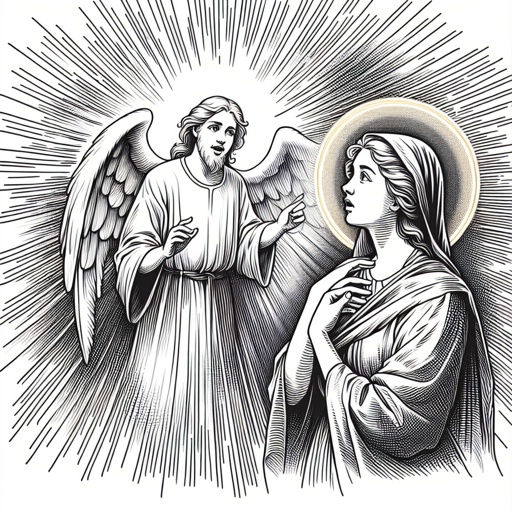
Judges 13:3 And the angel of the LORD appeared unto the woman, and said unto her, Behold now, thou art barren, and bearest not: but thou shalt conceive, and bear a son.
"And the angel of the LORD appeared unto the woman, and said unto her, Behold now, thou art barren, and bearest not: but thou shalt conceive, and bear a son." - Judges 13:3
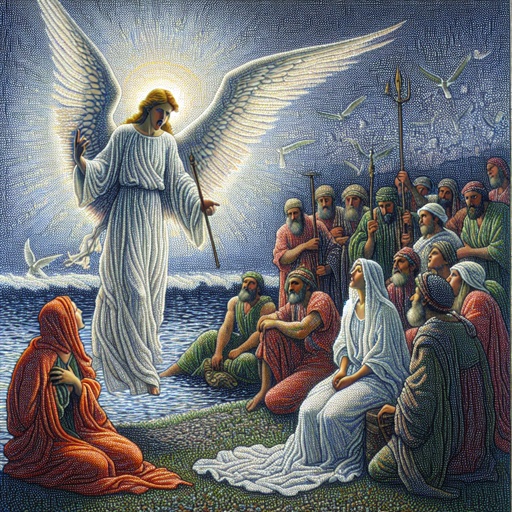
Judges 13:3-6 And the angel of the LORD appeared unto the woman, and said unto her, Behold now, thou art barren, and bearest not: but thou shalt conceive, and bear a son. Now therefore beware, I pray thee, and drink not wine nor strong drink, and eat not any unclean thing: For, lo, thou shalt conceive, and bear a son; and no razor shall come on his head: for the child shall be a Nazarite unto God from the womb: and he shall begin to deliver Israel out of the hand of the Philistines. Then the woman came and told her husband, saying, A man of God came unto me, and his countenance was like the countenance of an angel of God, very terrible: but I asked him not whence he was, neither told he me his name:

Isaiah 3:13 - "The LORD standeth up to plead, and standeth to judge the people."

Judges 3:13 - "And he gathered unto him the children of Ammon and Amalek, and went and smote Israel, and possessed the city of palm trees."
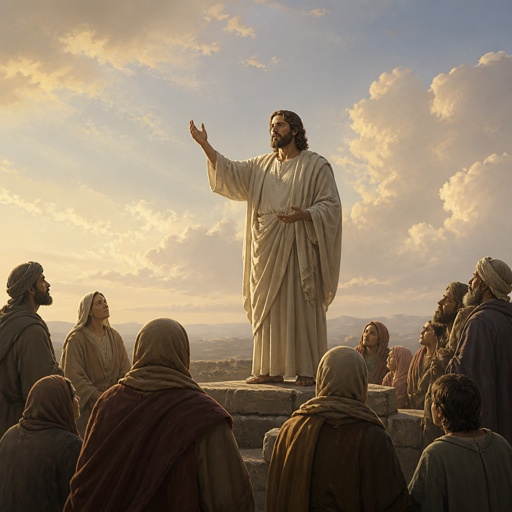
"The LORD standeth up to plead, and standeth to judge the people." - Isaiah 3:13

1 Samuel 3:13 - "For I have told him that I will judge his house for ever for the iniquity which he knoweth; because his sons made themselves vile, and he restrained them not."

Judges 3:31

Judges 2:13 - "And they forsook the LORD, and served Baal and Ashtaroth."
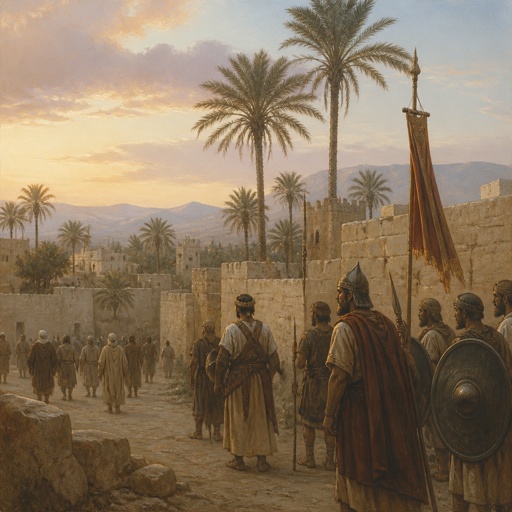
"And he gathered unto him the children of Ammon and Amalek, and went and smote Israel, and possessed the city of palm trees." - Judges 3:13

Judges 13:13 - "And the angel of the LORD said unto Manoah, Of all that I said unto the woman let her beware."

Judges 12:13 - "¶ And after him Abdon the son of Hillel, a Pirathonite, judged Israel."

Judges 18:13 - "And they passed thence unto mount Ephraim, and came unto the house of Micah."

Judges 8:13 - "¶ And Gideon the son of Joash returned from battle before the sun was up,"

Zephaniah 3:3 - "Her princes within her are roaring lions; her judges are evening wolves; they gnaw not the bones till the morrow."

Judges 10:3 - "¶ And after him arose Jair, a Gileadite, and judged Israel twenty and two years."

Judges 13:25 - "And the Spirit of the LORD began to move him at times in the camp of Dan between Zorah and Eshtaol."

Judges 13:2-3 And there was a certain man of Zorah, of the family of the Danites, whose name was Manoah; and his wife was barren, and bare not. And the angel of the LORD appeared unto the woman, and said unto her, Behold now, thou art barren, and bearest not: but thou shalt conceive, and bear a son.

Judges 13:2-3 And there was a certain man of Zorah, of the family of the Danites, whose name was Manoah; and his wife was barren, and bare not. And the angel of the LORD appeared unto the woman, and said unto her, Behold now, thou art barren, and bearest not: but thou shalt conceive, and bear a son.

Psalms 96:13 - "Before the LORD: for he cometh, for he cometh to judge the earth: he shall judge the world with righteousness, and the people with his truth."

Judges 3:6 - "And they took their daughters to be their wives, and gave their daughters to their sons, and served their gods."

Judges 13:2 - "¶ And there was a certain man of Zorah, of the family of the Danites, whose name was Manoah; and his wife was barren, and bare not."

"And they forsook the LORD, and served Baal and Ashtaroth." - Judges 2:13

Judges 13:24 - "¶ And the woman bare a son, and called his name Samson: and the child grew, and the LORD blessed him."