The Heart of the Remnant: Understanding Grief and Responsibility
“And said, O LORD God of Israel, why is this come to pass in Israel, that there should be to day one tribe lacking in Israel?” — Judges 21:3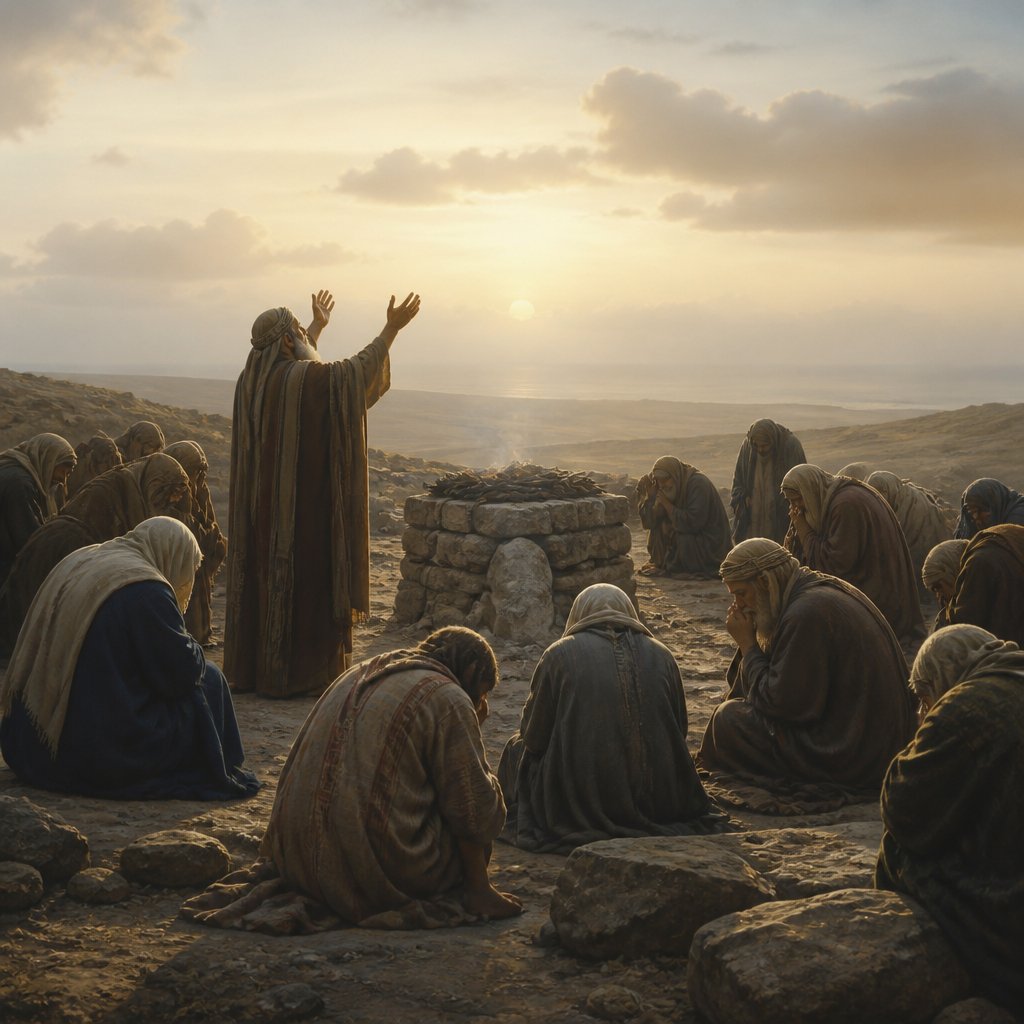
In Judges 21:3, we read, "And said, O LORD God of Israel, why is this come to pass in Israel, that there should be to day one tribe lacking in Israel?" This poignant lament comes amidst a dark period in Israel’s history, echoing the profound grief and existential crisis that follows the tumultuous events resulting in the near annihilation of the tribe of Benjamin. This verse serves not only as a reminder of the consequences of sin and disobedience but also invites us into a deeper understanding of God's heart for His people—the remnant.
The context of this verse is crucial. After a series of catastrophic events initiated by the wickedness that had spread through the nation, the Israelites find themselves engaged in war with their own brethren—the tribe of Benjamin. It is a tragedy that speaks volumes about civil breakdown and moral decay. When the battles concluded with heavy losses, the nation of Israel was left lamenting the state of what once was. The question posed to God is therefore one of desperation and sorrow, echoing the sentiment of many who have seen their communities fracture under the weight of sin and division.
Our reflection begins when we ask ourselves, "How often do we witness the diminishing of one among us?" Whether it be through moral failures, loss of faith, or simply a detaching from community, the consequences bear weight. The lamentation in Judges is an essential part of our understanding of God’s design for community; it should evoke within us a sense of responsibility toward our brothers and sisters in Christ. We are reminded that each member of the body of Christ is valuable, and when one part suffers, the entire body aches (1 Corinthians 12:26).
When the Israelites cried out, they not only recognized the loss but also acknowledged that God was the God of Israel—a relational understanding of God’s sovereignty. This acknowledgment calls us into a relationship where we seek to understand His ways. In our spiritual journeys, we too encounter moments of questioning, especially when events unfold that leave us feeling isolated or incomplete. We may find ourselves wondering, "Why has this happened?" or "How can I heal from this loss?" Just as the Israelites reached out to God, we must too, seeking to discern His character in both our struggles and our triumphs.
Moreover, the absence of one tribe led to philosophical considerations about belonging and identity. When things devolve to a point where one feels lacking or missing, the fabric of community begins to fray. It compels us to introspect on the importance of our roles. We see this mirrored in our churches today; are we actively considering the needs of those less involved? Are we reaching out to those who might be on the periphery? The call to God in this distressing moment also reminds us to foster relentless outreach to those who are vulnerable and at risk of losing their place among us.
As we ponder the ramifications of this verse today, we are not left wallowing in despair. The recognition of loss provokes a call to action, urging us to participate actively in the restoration of our communities. We are to uphold the values of love, unity, and support. Let us remember that God’s heart grieves for all His children. Let us endeavor to be consoled and equipped by His Spirit so that we can reach out purposely to those who are hurting, lost, or feeling distinct from the body.
Finally, we should take comfort in the promise of reconciliation in Christ. The God of Israel sought to restore His people through judges and ultimately through Jesus Christ, who brought the lost back into the fold. Therefore, in our quest to understand the depth of our calling in compassion, let us always be brought back to the Gospel—the Good News that there is always hope, always a path to restoration, and always a place for the remnant. Let us be encouraged to carry the heart of Christ into our communities, and joyfully reintroduce those who feel lacking back into the love of God’s family.
Get our apps


Artwork for Judges 21:3

Judges 21:3 - "And said, O LORD God of Israel, why is this come to pass in Israel, that there should be to day one tribe lacking in Israel?"
"And said, O LORD God of Israel, why is this come to pass in Israel, that there should be to day one tribe lacking in Israel?" - Judges 21:3
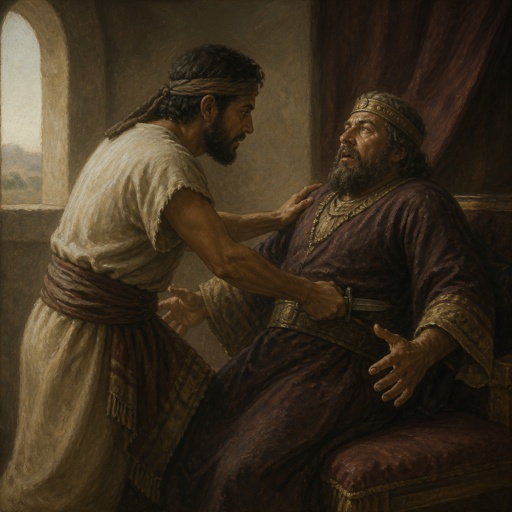
"And Ehud put forth his left hand, and took the dagger from his right thigh, and thrust it into his belly:" - Judges 3:21

Judges 3:31

Judges 21:20 - "Therefore they commanded the children of Benjamin, saying, Go and lie in wait in the vineyards;"

Judges 21:9 - "For the people were numbered, and, behold, there were none of the inhabitants of Jabesh-gilead there."

Judges 18:21 - "So they turned and departed, and put the little ones and the cattle and the carriage before them."

Judges 21:17 - "And they said, There must be an inheritance for them that be escaped of Benjamin, that a tribe be not destroyed out of Israel."

Judges 9:21 - "And Jotham ran away, and fled, and went to Beer, and dwelt there, for fear of Abimelech his brother."

Judges 21:15 - "And the people repented them for Benjamin, because that the LORD had made a breach in the tribes of Israel."

Judges 21:25 - "In those days there was no king in Israel: every man did that which was right in his own eyes."

Judges 21:21 - "And see, and, behold, if the daughters of Shiloh come out to dance in dances, then come ye out of the vineyards, and catch you every man his wife of the daughters of Shiloh, and go to the land of Benjamin."

Judges 7:21 - "And they stood every man in his place round about the camp: and all the host ran, and cried, and fled."

Judges 21:4 - "And it came to pass on the morrow, that the people rose early, and built there an altar, and offered burnt offerings and peace offerings."

Judges 13:21 - "But the angel of the LORD did no more appear to Manoah and to his wife. Then Manoah knew that he was an angel of the LORD."

Zephaniah 3:3 - "Her princes within her are roaring lions; her judges are evening wolves; they gnaw not the bones till the morrow."

Judges 21:6 - "And the children of Israel repented them for Benjamin their brother, and said, There is one tribe cut off from Israel this day."

Judges 21:2 - "And the people came to the house of God, and abode there till even before God, and lifted up their voices, and wept sore;"

Judges 21:13 - "And the whole congregation sent some to speak to the children of Benjamin that were in the rock Rimmon, and to call peaceably unto them."

Judges 10:3 - "¶ And after him arose Jair, a Gileadite, and judged Israel twenty and two years."

Judges 19:21 - "So he brought him into his house, and gave provender unto the asses: and they washed their feet, and did eat and drink."

Judges 21:16 - "Then the elders of the congregation said, How shall we do for wives for them that remain, seeing the women are destroyed out of Benjamin?"

Judges 1:21 - "And the children of Benjamin did not drive out the Jebusites that inhabited Jerusalem; but the Jebusites dwell with the children of Benjamin in Jerusalem unto this day."

Judges 20:21 - "And the children of Benjamin came forth out of Gibeah, and destroyed down to the ground of the Israelites that day twenty and two thousand men."

Judges 3:6 - "And they took their daughters to be their wives, and gave their daughters to their sons, and served their gods."

Judges 21:1 - "Now the men of Israel had sworn in Mizpeh, saying, There shall not any of us give his daughter unto Benjamin to wife."

Deuteronomy 21:2 - "Then thy elders and thy judges shall come forth, and they shall measure unto the cities which are round about him that is slain:"

Judges 2:21 - "I also will not henceforth drive out any from before them of the nations which Joshua left when he died:"

Judges 3:11 - "And the land had rest forty years. And Othniel the son of Kenaz died."

Judges 3:14 - "So the children of Israel served Eglon the king of Moab eighteen years."