The Sacred Pause: Encountering the Divine in Our Waiting
“Depart not hence, I pray thee, until I come unto thee, and bring forth my present, and set it before thee. And he said, I will tarry until thou come again.” — Judges 6:18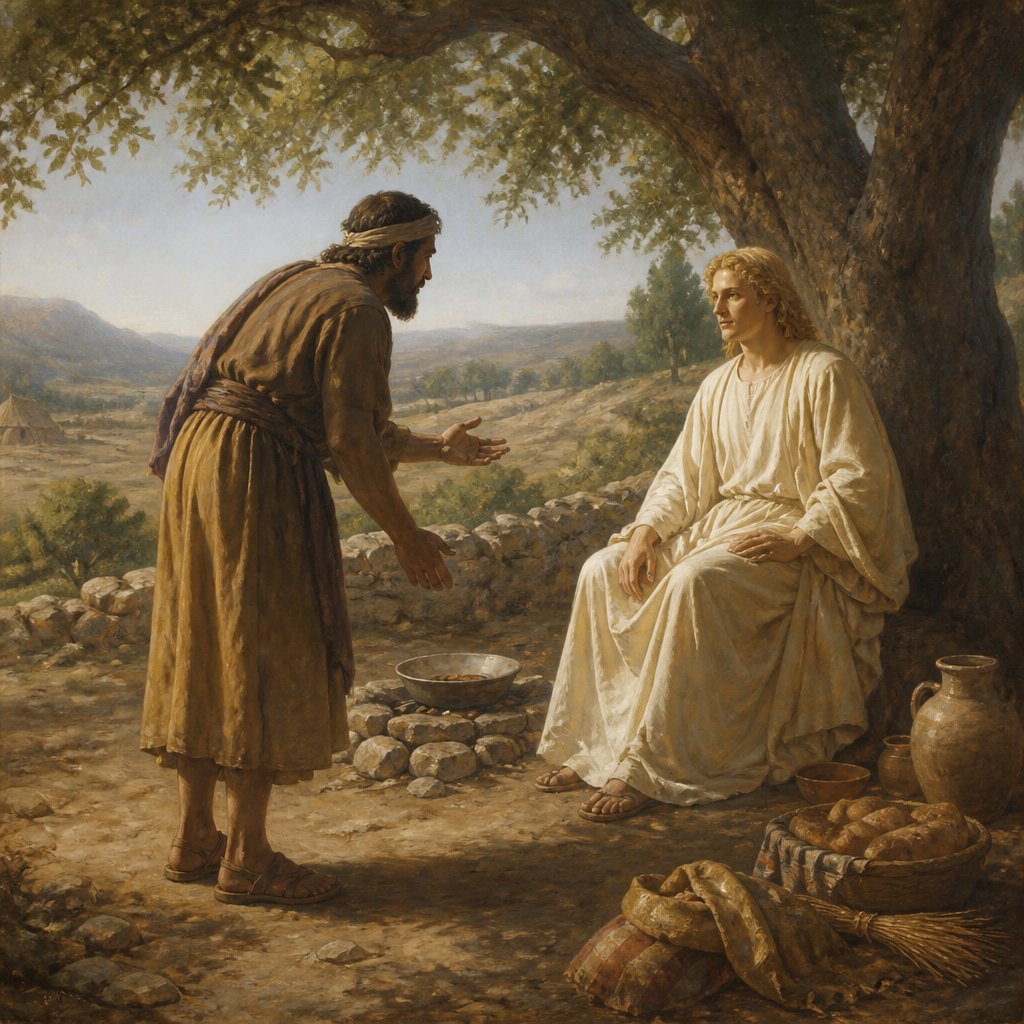
In Judges 6:18, we find a pivotal moment in the life of Gideon, a man chosen by God for a monumental task—but not before a significant interaction. The verse reads: "Depart not hence, I pray thee, until I come unto thee, and bring forth my present, and set it before thee. And he said, I will tarry until thou come again." This passage encapsulates the essence of waiting on God—an act filled with hope, expectancy, and the deep desire to bring forth a gift in response to His divine presence.
The context of this verse reveals Gideon’s initial doubt and fear. As he conversed with God, he was acutely aware of his inadequacy and Israel's dire circumstance. It’s not the bravado of a warrior we see but the trepidation of a reluctant servant. Yet, in this moment of vulnerability, we are given a glimpse into the character of God—ever patient and ready to engage with those He has chosen, regardless of their perceived weaknesses.
The phrase "Depart not hence, I pray thee" speaks volumes about Gideon's heart. It signifies a crucial recognition of the importance of the divine encounter he was having. As he stood in the presence of God, he knew that such moments were rare and holy, deserving not only of attention but of preparation. Gideon was allowing himself to be attuned to the holy, acknowledging that the divine presence was more precious than anything else.
In our own lives, how often do we rush through encounters with God? Amid our busy schedules and relentless pursuits, we neglect the sacred pauses—the moments where we could invite God to stay just a little longer. The plea of Gideon reflects a yearning many of us carry in our hearts: to linger in the presence of God and to offer something significant in our devotion to Him.
Gideon’s insistence on returning with a present is a beautiful act of worship. It demonstrates that when we recognize God's presence, we feel compelled to bring something of ourselves before Him. In this intimate trust, he longs to show gratitude and acknowledges that God deserves our best. This act is reminiscent of the sacrifices laid at the altar throughout scripture—a giving back to the One who provides everything. Such an offering is not merely material but embodies our heart, intentions, and worship.
Moreover, the response of God—"I will tarry until thou come again"—is equally significant. Here, we see a God who patiently waits for us, allowing time for us to prepare our hearts and offerings. This paints a vivid picture of divine grace; He does not rush us, nor is He indifferent to our need for time. God understands that our fleshly limitations may dilute the purity of our devotion, and in His mercy, He honors our need for preparation.
As we meditate on this encounter, we are called to seek out our own sacred pauses—a time where we can invite God into our busy lives and prepare our hearts and offerings. Whether it’s through prayer, worship, or service, God desires our intention and our presence just as we long for His. When we invite Him into our waiting, we find transformative encounters that reshape our understanding of ourselves and Him.
When life presents challenges, as it did for Gideon, may we remember the call to not only seek action but insist on the presence of God. Let us not rush past our opportunities to encounter Him. In this act of waiting and preparation, we cultivate intimacy with the Divine, paving the way for God’s mighty work in our lives.
Gideon’s request and God’s response are a reminder that waiting can be an offering, one that God cherishes. As we go through our week, let us learn to pause, reflect, and set forth our presents—our prayers, our hopes, our very selves—seeking His presence above all else.
Get our apps


Artwork for Judges 6:18
Judges 6:18 - "Depart not hence, I pray thee, until I come unto thee, and bring forth my present, and set it before thee. And he said, I will tarry until thou come again."
"Depart not hence, I pray thee, until I come unto thee, and bring forth my present, and set it before thee. And he said, I will tarry until thou come again." - Judges 6:18

Luke 18:6 - "And the Lord said, Hear what the unjust judge saith."

Judges 18:6 - "And the priest said unto them, Go in peace: before the LORD is your way wherein ye go."
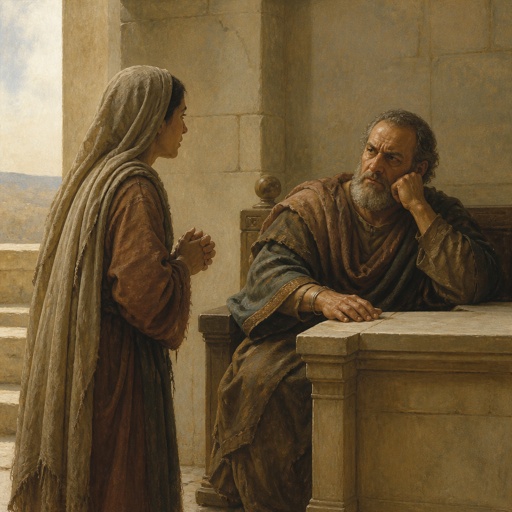
"And the Lord said, Hear what the unjust judge saith." - Luke 18:6
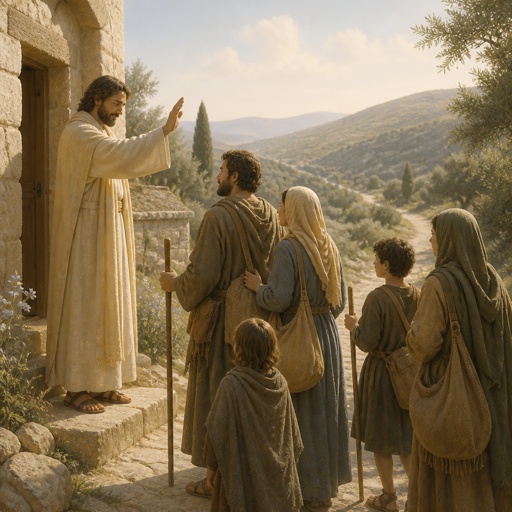
"And the priest said unto them, Go in peace: before the LORD is your way wherein ye go." - Judges 18:6

Judges 6:6 - "And Israel was greatly impoverished because of the Midianites; and the children of Israel cried unto the LORD."

Judges 18:18 - "And these went into Micah's house, and fetched the carved image, the ephod, and the teraphim, and the molten image. Then said the priest unto them, What do ye?"

Judges 18:13 - "And they passed thence unto mount Ephraim, and came unto the house of Micah."

Judges 18: Micah’s Influence: A Spiritual Ripple Effect

Judges 2:18 - "And when the LORD raised them up judges, then the LORD was with the judge, and delivered them out of the hand of their enemies all the days of the judge: for it repented the LORD because of their groanings by reason of them that oppressed them and vexed them."

Judges 18:21 - "So they turned and departed, and put the little ones and the cattle and the carriage before them."

Exodus 18:26 - "And they judged the people at all seasons: the hard causes they brought unto Moses, but every small matter they judged themselves."

Judges 5:18 - "Zebulun and Naphtali were a people that jeoparded their lives unto the death in the high places of the field."

1 Corinthians 6:2 - "Do ye not know that the saints shall judge the world? and if the world shall be judged by you, are ye unworthy to judge the smallest matters?"

Judges 18:20 - "And the priest's heart was glad, and he took the ephod, and the teraphim, and the graven image, and went in the midst of the people."

Judges 18:8 - "And they came unto their brethren to Zorah and Eshtaol: and their brethren said unto them, What say ye?"

Judges 1:18 - "Also Judah took Gaza with the coast thereof, and Askelon with the coast thereof, and Ekron with the coast thereof."

Judges 3:6 - "And they took their daughters to be their wives, and gave their daughters to their sons, and served their gods."

Luke 6:37 - "Judge not, and ye shall not be judged: condemn not, and ye shall not be condemned: forgive, and ye shall be forgiven:"

Judges 3:18 - "And when he had made an end to offer the present, he sent away the people that bare the present."

Judges 18:15 - "And they turned thitherward, and came to the house of the young man the Levite, even unto the house of Micah, and saluted him."

Judges 18:16 - "And the six hundred men appointed with their weapons of war, which were of the children of Dan, stood by the entering of the gate."

Judges 6:36-40 – Gideon’s fleece test for dew.

Judges 18:31 - "And they set them up Micah's graven image, which he made, all the time that the house of God was in Shiloh."

Judges 13:18 - "And the angel of the LORD said unto him, Why askest thou thus after my name, seeing it is secret?"

Judges 6:7 - "¶ And it came to pass, when the children of Israel cried unto the LORD because of the Midianites,"

Psalms 141:6 - "When their judges are overthrown in stony places, they shall hear my words; for they are sweet."

Psalms 10:18 - "To judge the fatherless and the oppressed, that the man of the earth may no more oppress."

Deuteronomy 19:18 - "And the judges shall make diligent inquisition: and, behold, if the witness be a false witness, and hath testified falsely against his brother;"