What does Judges 6:18 mean?
“Depart not hence, I pray thee, until I come unto thee, and bring forth my present, and set it before thee. And he said, I will tarry until thou come again.” — Judges 6:18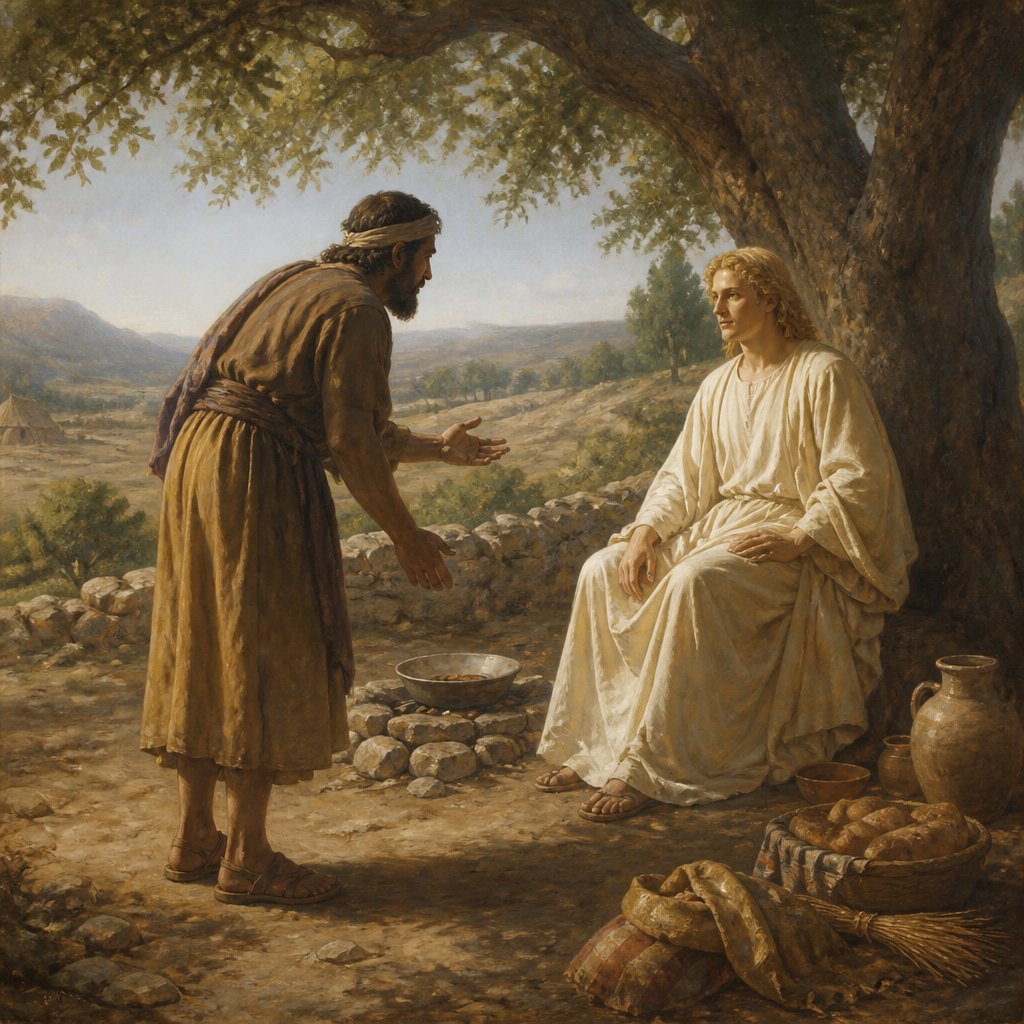
In Judges 6:18, we read, "Depart not hence, I pray thee, until I come unto thee, and bring forth my present, and set it before thee. And he said, I will tarry until thou come again." This verse is found in the Old Testament and is part of the story of Gideon, a judge of Israel. To fully understand the meaning and significance of this verse, it is essential to delve into the context, themes, and symbolism at play.
The book of Judges is set during a tumultuous time in Israel's history, a period marked by disobedience, idolatry, and strife. The Israelites repeatedly turned away from God, and as a result, they faced oppression from neighboring nations. In the case of Gideon, the Midianites were oppressing Israel, and the people cried out to God for deliverance. In response, God raised up Gideon to be a leader and deliverer for the Israelites.
In the verses leading up to Judges 6:18, we see that Gideon has been visited by an angel of the Lord, who has called him to lead the Israelites in battle against the Midianites. Gideon is hesitant and expresses doubts about his ability to fulfill this role. He seeks confirmation from the angel, asking for a sign to assure him of God's presence and support. As a result, Gideon presents an offering to the Lord, and the angel performs a miraculous sign, consuming the offering with fire.
In verse 18, Gideon's request to the angel of the Lord to wait for him to bring forth his present and set it before the angel is a significant moment in the narrative. It highlights Gideon's reverence and humility as he seeks to honor and acknowledge the presence of God. Gideon's desire to offer a present or a gift is a reflection of his desire to show gratitude and respect to the divine being before him.
The theme of obedience is prominent in this verse, as Gideon obeys the angel's instruction to bring forth a present. His willingness to comply with the angel's request demonstrates his growing faith and submission to God's will. Additionally, this verse emphasizes the importance of waiting on the Lord and seeking His guidance before taking action. Gideon's words, "I will tarry until thou come again," convey a sense of patience and readiness to heed the angel's further instructions.
Symbolism is also present in this verse, particularly regarding the act of presenting a gift. In ancient cultures, offering gifts or sacrifices to divine beings was a common practice to seek favor or appease the gods. Gideon's act of bringing forth a present can be seen as a symbolic gesture of his commitment to God and his desire for divine intervention in the face of the Midianite oppression.
Furthermore, this verse highlights the notion of divine encounter and the reverence that should accompany it. Gideon's request to the angel to tarry until he brings forth his present demonstrates his recognition of the sacredness of the moment and his intention to approach it with humility and reverence.
In conclusion, Judges 6:18 captures the essence of Gideon's encounter with the angel of the Lord, showcasing themes of obedience, reverence, and divine encounter. It serves as a pivotal moment in Gideon's journey of faith and leadership, highlighting his willingness to submit to God's will and seek His guidance. The verse also carries symbolic significance, emphasizing the act of presenting a gift as a symbol of reverence and commitment to God. As readers, we are reminded of the importance of seeking God's guidance and approaching divine encounters with humility and obedience.
Get our apps


Artwork for Judges 6:18
Judges 6:18 - "Depart not hence, I pray thee, until I come unto thee, and bring forth my present, and set it before thee. And he said, I will tarry until thou come again."
"Depart not hence, I pray thee, until I come unto thee, and bring forth my present, and set it before thee. And he said, I will tarry until thou come again." - Judges 6:18

Luke 18:6 - "And the Lord said, Hear what the unjust judge saith."

Judges 18:6 - "And the priest said unto them, Go in peace: before the LORD is your way wherein ye go."
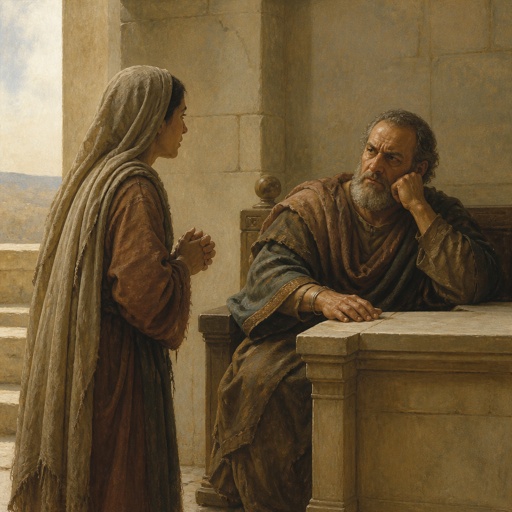
"And the Lord said, Hear what the unjust judge saith." - Luke 18:6
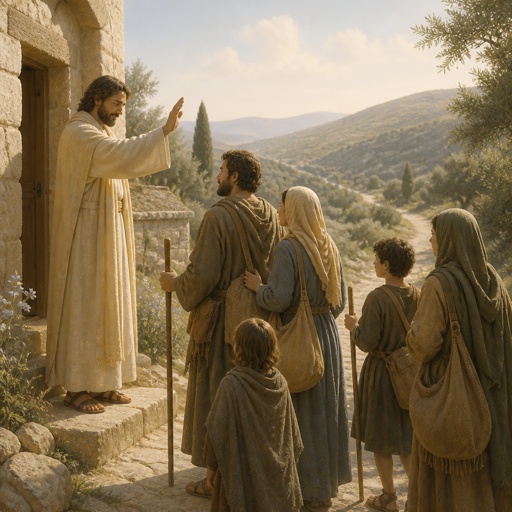
"And the priest said unto them, Go in peace: before the LORD is your way wherein ye go." - Judges 18:6

Judges 6:6 - "And Israel was greatly impoverished because of the Midianites; and the children of Israel cried unto the LORD."

Judges 18:18 - "And these went into Micah's house, and fetched the carved image, the ephod, and the teraphim, and the molten image. Then said the priest unto them, What do ye?"

Judges 18:13 - "And they passed thence unto mount Ephraim, and came unto the house of Micah."

Judges 18: Micah’s Influence: A Spiritual Ripple Effect

Judges 2:18 - "And when the LORD raised them up judges, then the LORD was with the judge, and delivered them out of the hand of their enemies all the days of the judge: for it repented the LORD because of their groanings by reason of them that oppressed them and vexed them."

Judges 18:21 - "So they turned and departed, and put the little ones and the cattle and the carriage before them."

Exodus 18:26 - "And they judged the people at all seasons: the hard causes they brought unto Moses, but every small matter they judged themselves."

Judges 5:18 - "Zebulun and Naphtali were a people that jeoparded their lives unto the death in the high places of the field."

1 Corinthians 6:2 - "Do ye not know that the saints shall judge the world? and if the world shall be judged by you, are ye unworthy to judge the smallest matters?"

Judges 18:20 - "And the priest's heart was glad, and he took the ephod, and the teraphim, and the graven image, and went in the midst of the people."

Judges 18:8 - "And they came unto their brethren to Zorah and Eshtaol: and their brethren said unto them, What say ye?"

Judges 1:18 - "Also Judah took Gaza with the coast thereof, and Askelon with the coast thereof, and Ekron with the coast thereof."

Judges 3:6 - "And they took their daughters to be their wives, and gave their daughters to their sons, and served their gods."

Luke 6:37 - "Judge not, and ye shall not be judged: condemn not, and ye shall not be condemned: forgive, and ye shall be forgiven:"

Judges 3:18 - "And when he had made an end to offer the present, he sent away the people that bare the present."

Judges 18:15 - "And they turned thitherward, and came to the house of the young man the Levite, even unto the house of Micah, and saluted him."

Judges 18:16 - "And the six hundred men appointed with their weapons of war, which were of the children of Dan, stood by the entering of the gate."

Judges 6:36-40 – Gideon’s fleece test for dew.

Judges 18:31 - "And they set them up Micah's graven image, which he made, all the time that the house of God was in Shiloh."

Judges 13:18 - "And the angel of the LORD said unto him, Why askest thou thus after my name, seeing it is secret?"

Judges 6:7 - "¶ And it came to pass, when the children of Israel cried unto the LORD because of the Midianites,"

Psalms 141:6 - "When their judges are overthrown in stony places, they shall hear my words; for they are sweet."

Psalms 10:18 - "To judge the fatherless and the oppressed, that the man of the earth may no more oppress."

Deuteronomy 19:18 - "And the judges shall make diligent inquisition: and, behold, if the witness be a false witness, and hath testified falsely against his brother;"