Silent Cries from Zion: A Call to Remember and Restore
“They ravished the women in Zion, and the maids in the cities of Judah.” — Lamentations 5:11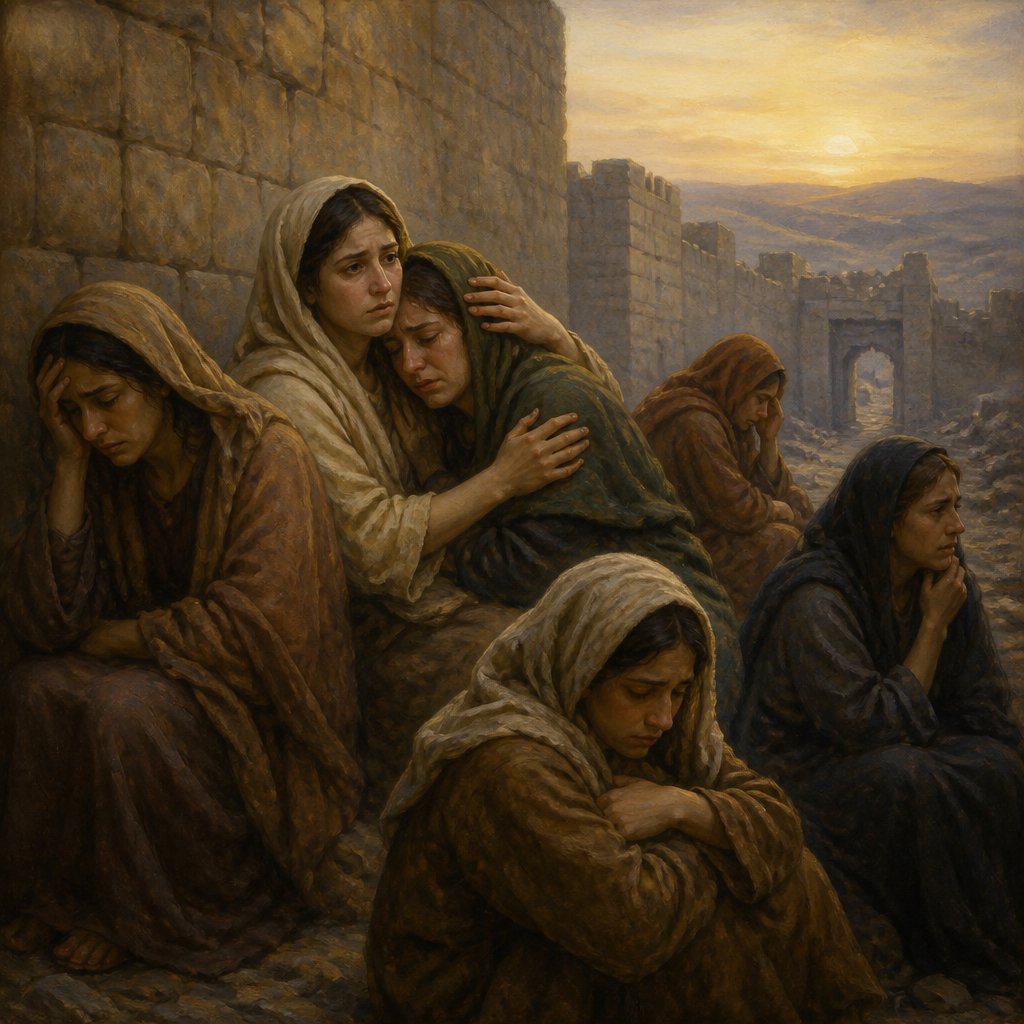
Lamentations 5:11 tells a tragic tale: "They ravished the women in Zion, and the maids in the cities of Judah." This verse echoes the profound suffering and humiliation faced by the people of Judah during the Babylonian siege. In this poignant moment, we are confronted not only with the harsh realities of war but also with the deeper emotional and spiritual ramifications of such devastating acts.
To understand the gravity of this scripture, we must first appreciate the historical context in which these words were written. Lamentations is traditionally attributed to the Prophet Jeremiah, who witnessed the destruction of Jerusalem and the exile of its inhabitants. In these five chapters, the heartfelt sorrow of a people is laid bare, and lament becomes a form of prayer, a way to voice suffering to God and seek His intervention.
The specific reference to the ravishment of women and maids serves as a symbol of destruction, not merely of bodies but of community, family, and faith. In biblical times, the honor of the family was deeply intertwined with the dignity of its women. Thus, the violence against women during this tumultuous period represents a deeper social and spiritual collapse. The women of Zion, once bearers of hope and life, are reduced to symbols of shame and suffering, their plight becoming a heavy burden on the collective conscience of the nation.
As we reflect on this verse, it is crucial to consider the emotional weight it carries. The women’s lament in this passage represents a cry for justice—a cry that still echoes throughout history, even into our present day. Violence against women is a reality that exists in various forms, both in war and peace, manifesting in different cultures and communities. Lamentations invites us to witness this suffering, not only as distant observers but as active participants in seeking change.
The theological implications are significant as well. This verse reminds us that God hears our cries and sees our suffering. In our darkest moments, when all seems lost, God invites us to turn to Him, to lament, and to seek restoration. Lamentations is not just a book of sorrow; it is also a powerful affirmation of hope. As we sit with the pain expressed in Lamentations 5:11, we also remind ourselves that sorrow may endure for a night, but joy comes in the morning (Psalm 30:5).
Moreover, as members of the church today, we are called to respond. The plight of women in today’s society, particularly in areas of conflict and poverty, is a clarion call for the church to rise up as advocates for justice and healing. We must support organizations that protect and empower women, educate ourselves about the issues they face, and find ways to lend our voices to the voiceless. Isaiah 1:17 exhorts us to "learn to do well; seek judgment, relieve the oppressed, judge the fatherless, plead for the widow." How can we embody this mandate in tangible ways?
This verse encourages us not only to lament alongside those who suffer but also to act. It asks us to examine our own hearts and communities, to confront the ways in which we might perpetuate systems of oppression, and to ask how we can be agents of change. In doing so, we honor the dignity of those who have been ravished, remembering their stories, and committing to the work of restoration and justice.
In conclusion, Lamentations 5:11 serves as both a painful reminder of the atrocities that occur in our world and a powerful call to action. We are invited to bring our sorrows to God, knowing that He does not shy away from our pain but invites us into a deeper dialogue about healing and restoration. May we stand in solidarity with those who suffer and be advocates for hope, justice, and love in a broken world.
Get our apps


Artwork for Lamentations 5:11

Lamentations 5:11 - "They ravished the women in Zion, and the maids in the cities of Judah."
"They ravished the women in Zion, and the maids in the cities of Judah." - Lamentations 5:11

Lamentations 5:5 - "Our necks are under persecution: we labour, and have no rest."

Lamentations 5:3 - "We are orphans and fatherless, our mothers are as widows."

Lamentations 5:2 - "Our inheritance is turned to strangers, our houses to aliens."

Lamentations 5:17 - "For this our heart is faint; for these things our eyes are dim."

Lamentations 5:7 - "Our fathers have sinned, and are not; and we have borne their iniquities."

Lamentations 5:15 - "The joy of our heart is ceased; our dance is turned into mourning."

Lamentations 5:18 - "Because of the mountain of Zion, which is desolate, the foxes walk upon it."

Lamentations 5:6 - "We have given the hand to the Egyptians, and to the Assyrians, to be satisfied with bread."

Lamentations 5:10 - "Our skin was black like an oven because of the terrible famine."

Lamentations 5:13 - "They took the young men to grind, and the children fell under the wood."

Lamentations 5:12 - "Princes are hanged up by their hand: the faces of elders were not honoured."

Lamentations 3:5 - "He hath builded against me, and compassed me with gall and travail."

Lamentations 5:14 - "The elders have ceased from the gate, the young men from their musick."

Lamentations 5:9 - "We gat our bread with the peril of our lives because of the sword of the wilderness."

Lamentations 5:19 – "You, Lord, reign forever; your throne endures from generation to generation."

Lamentations 5:19 - "Thou, O LORD, remainest for ever; thy throne from generation to generation."

Song of Solomon 5:11
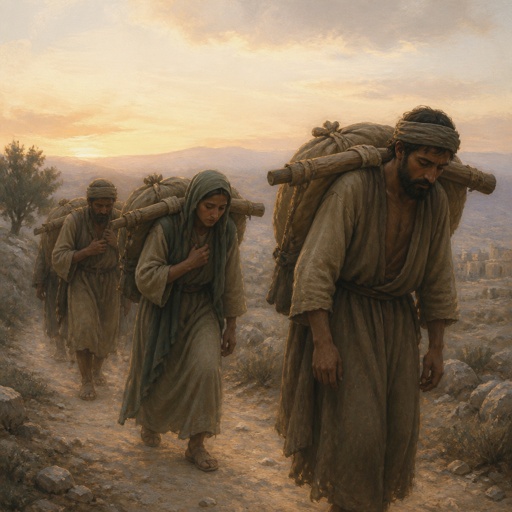
"Our necks are under persecution: we labour, and have no rest." - Lamentations 5:5

Lamentations 5:8 - "Servants have ruled over us: there is none that doth deliver us out of their hand."

Lamentations 5:1 - "Remember, O LORD, what is come upon us: consider, and behold our reproach."

Lamentations 5:22 - "But thou hast utterly rejected us; thou art very wroth against us."

Lamentations 4:5 - "They that did feed delicately are desolate in the streets: they that were brought up in scarlet embrace dunghills."

Lamentations 5:4 - "We have drunken our water for money; our wood is sold unto us."

Lamentations 5:20 - "Wherefore dost thou forget us for ever, and forsake us so long time?"

Lamentations 5:16 - "The crown is fallen from our head: woe unto us, that we have sinned!"

Philippians 2:5-11

Lamentations 3:11 - "He hath turned aside my ways, and pulled me in pieces: he hath made me desolate."
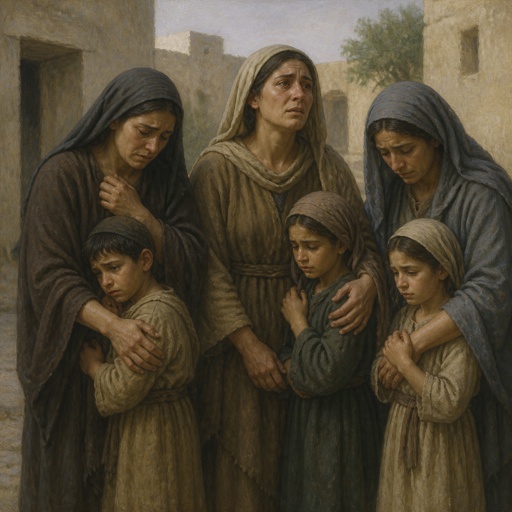
"We are orphans and fatherless, our mothers are as widows." - Lamentations 5:3