The Heart of Sacrifice: A Deeper Look at Leviticus 1:14
“And if the burnt sacrifice for his offering to the LORD be of fowls, then he shall bring his offering of turtledoves, or of young pigeons.” — Leviticus 1:14
In Leviticus 1:14, we find a simple yet profound command: "And if the burnt sacrifice for his offering to the LORD be of fowls, then he shall bring his offering of turtledoves, or of young pigeons." This verse, nestled within the laws of sacrifice, unveils layers of meaning that are pertinent to our spiritual walks today, invoking a deeper understanding of sacrifice, humility, and God’s infinite mercy.
The burnt offering system outlined in Leviticus is a vital aspect of Old Testament worship that lays the groundwork for understanding God’s holiness and man’s need for atonement. Among the various offerings outlined, the specific mention of turtledoves and young pigeons serves to highlight God's grace in permitting even the least wealthy to approach Him in worship. God's requirements for sacrifice reflect His understanding of human circumstances, offering a way for everyone—not just the affluent—to connect with Him.
In the ancient Israelite context, livestock was not only a matter of wealth but also a symbol of power and status. Yet here, God provides a pathway for those who may not have the means to offer goats or bulls. The inclusion of birds as acceptable offerings speaks volumes; it emphasizes that no person is too poor or insignificant to present themselves to God. Whether rich or poor, we all have a place at the altar of God, where our offerings—whether extravagant or modest—are received with love.
This brings us to a crucial aspect of sacrifice: the heart behind the offering. Although the physical act of sacrifice was ingrained in ritual, God’s primary concern has always been the intention of the heart. In the New Testament, Jesus reminds us that it is not the size of the offering but the spirit in which it is given that pleases God. Recall the widow's two mites (Mark 12:42-44), which were of little monetary value, yet Jesus commended her gift as the greatest because it stemmed from her complete trust in the Lord.
As we draw closer to God, we are often prompted to examine the offerings we present in our lives. What are we willing to sacrifice for Him? Perhaps it is time, energy, or material possessions. Or maybe it is the self-gratifying habits that hold us back from fulfilling God's purpose for our lives. Just as God's requirements allowed the humble to partake in worship, so too does our willingness to lay down our lives, no matter how humble, position us for a deeper relationship with Him.
Let's reflect on the birds—turtledoves and young pigeons—symbolizing innocence and simplicity. These offerings call us to bring our pure and simple hearts before God. In a world filled with complexity, He desires us to return to the simplicity of childlike faith, to trust in His provision and goodness. When we strip away the layers of pretense and come before Him with honesty, we mirror the very nature of these unassuming offerings.
Moreover, this verse invites us to meditate on the idea of transformation. The burnt offering was meant to be consumed by fire, signifying complete surrender to God. In our personal journeys, there are aspects of our lives that God calls us to surrender. Just as fire transforms the offering, our willingness to allow God to refine us can lead to profound change. God desires to burn away the impurities and distractions that hinder our growth, deepening our dependency on Him in the process.
In conclusion, Levicticus 1:14 stands not simply as an ancient rite but as an enduring lesson of how the economy of God’s grace operates. We are invited to bring what little we have, whether that be turtledoves or young pigeons, and place it on the altar—our offerings becoming so much more in the hands of the Almighty. As we close, let us endeavor to examine our hearts, our motives, and our willingness to sacrifice for our relationship with God and for others. Amidst this reflection, may we step into the fullness of life that God has for us, enveloped in grace and assured of our worth in His eyes.
Get our apps


Artwork for Leviticus 1:14

Leviticus 1:14 - "¶ And if the burnt sacrifice for his offering to the LORD be of fowls, then he shall bring his offering of turtledoves, or of young pigeons."

"¶ And if the burnt sacrifice for his offering to the LORD be of fowls, then he shall bring his offering of turtledoves, or of young pigeons." - Leviticus 1:14

Leviticus 14:51

Leviticus 14:1 - "And the LORD spake unto Moses, saying,"

Leviticus 1:4 - "And he shall put his hand upon the head of the burnt offering; and it shall be accepted for him to make atonement for him."

"And the LORD spake unto Moses, saying," - Leviticus 14:1

Leviticus 14:55 - "And for the leprosy of a garment, and of a house,"

Leviticus 14:56 - "And for a rising, and for a scab, and for a bright spot:"

Leviticus 11:14 - "And the vulture, and the kite after his kind;"
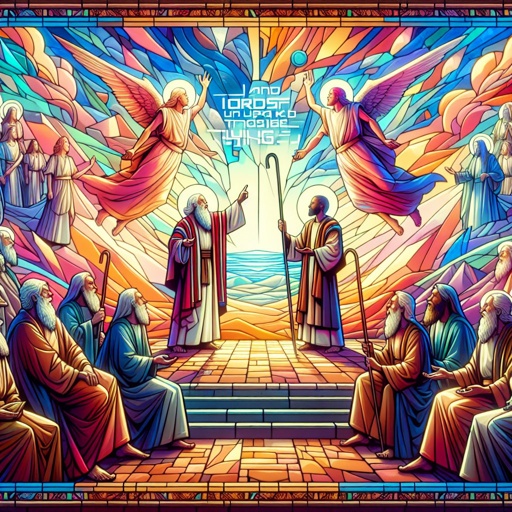
Leviticus 5:14 - "¶ And the LORD spake unto Moses, saying,"
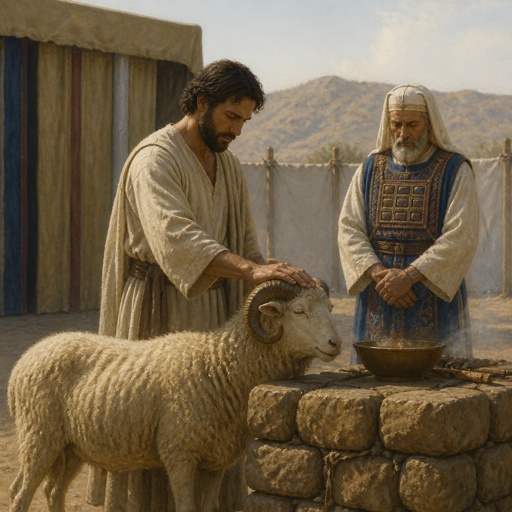
"And he shall put his hand upon the head of the burnt offering; and it shall be accepted for him to make atonement for him." - Leviticus 1:4

Leviticus 14:54 - "This is the law for all manner of plague of leprosy, and scall,"

Leviticus 26:14 - "¶ But if ye will not hearken unto me, and will not do all these commandments;"

Leviticus 14:33 - "¶ And the LORD spake unto Moses and unto Aaron, saying,"

Leviticus 14:57 - "To teach when it is unclean, and when it is clean: this is the law of leprosy."

"And for the leprosy of a garment, and of a house," - Leviticus 14:55

Leviticus 13:14 - "But when raw flesh appeareth in him, he shall be unclean."

Leviticus 14:26 - "And the priest shall pour of the oil into the palm of his own left hand:"

Leviticus 14:30 - "And he shall offer the one of the turtledoves, or of the young pigeons, such as he can get;"

"And for a rising, and for a scab, and for a bright spot:" - Leviticus 14:56

Leviticus 14:50 - "And he shall kill the one of the birds in an earthen vessel over running water:"

Leviticus 9:14 - "And he did wash the inwards and the legs, and burnt them upon the burnt offering on the altar."

Leviticus 14:5 - "And the priest shall command that one of the birds be killed in an earthen vessel over running water:"

Leviticus 14:2 - "This shall be the law of the leper in the day of his cleansing: He shall be brought unto the priest:"

Leviticus 14:49 - "And he shall take to cleanse the house two birds, and cedar wood, and scarlet, and hyssop:"

Leviticus 6:14 - "¶ And this is the law of the meat offering: the sons of Aaron shall offer it before the LORD, before the altar."

"¶ And the LORD spake unto Moses, saying," - Leviticus 5:14

Leviticus 14:15 - "And the priest shall take some of the log of oil, and pour it into the palm of his own left hand:"

Leviticus 14:38 - "Then the priest shall go out of the house to the door of the house, and shut up the house seven days:"

Leviticus 14:44 - "Then the priest shall come and look, and, behold, if the plague be spread in the house, it is a fretting leprosy in the house: it is unclean."