The Sweet Savor of Sacrifice: Understanding Leviticus 1:17
“And he shall cleave it with the wings thereof, but shall not divide it asunder: and the priest shall burn it upon the altar, upon the wood that is upon the fire: it is a burnt sacrifice, an offering made by fire, of a sweet savour unto the LORD.” — Leviticus 1:17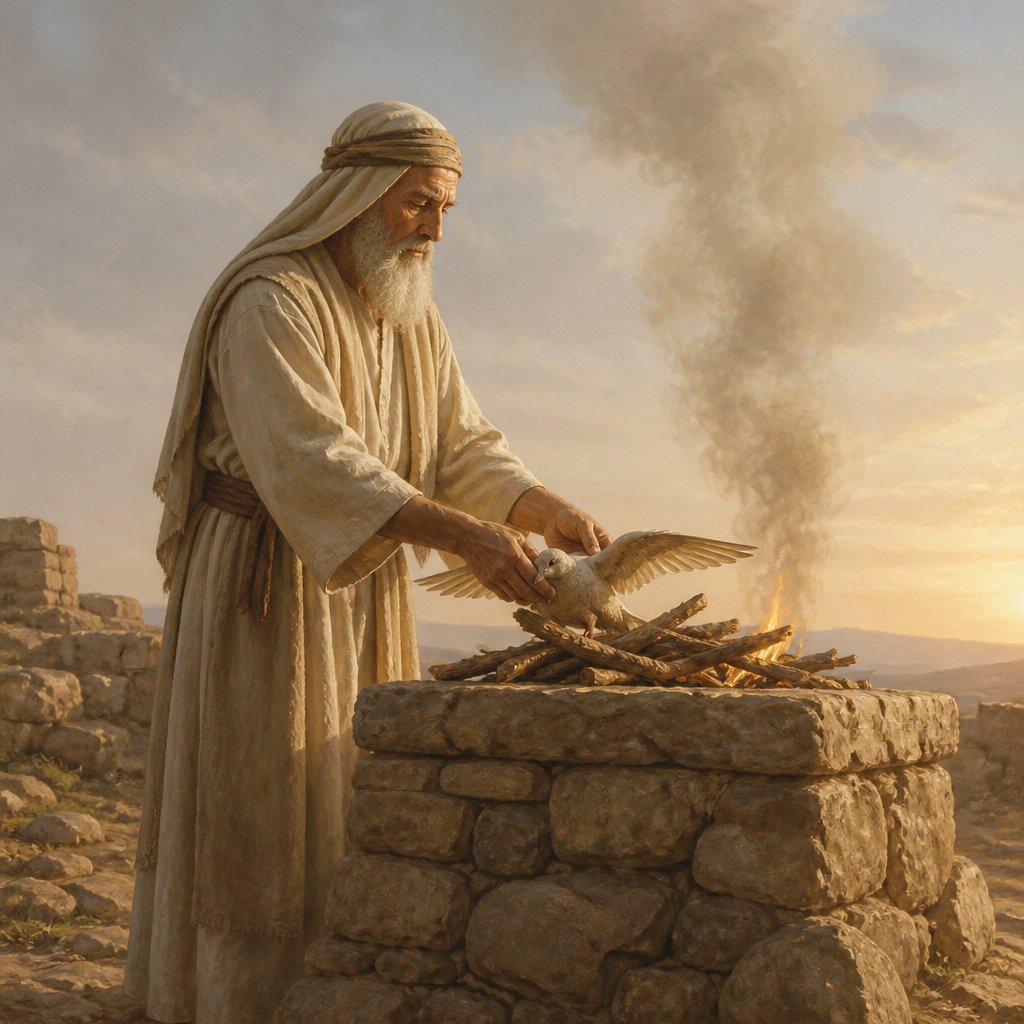
As we delve into Leviticus 1:17, we are confronted with a portion of scripture that speaks deeply about the nature of sacrifice and worship: "And he shall cleave it with the wings thereof, but shall not divide it asunder: and the priest shall burn it upon the altar, upon the wood that is upon the fire: it is a burnt sacrifice, an offering made by fire, of a sweet savour unto the LORD."
This verse is part of the instructions given to the Israelites regarding the burnt offerings that were to be presented to God. In this, we find significant lessons about devotion, the act of sacrifice, and the heart of worship. The specifics in these ritualistic practices serve as both an act of obedience and a reflection of one's relationship with the Almighty.
When we consider what it means to cleave the animal with its wings but not divide it asunder, we see that God desires wholeness in our offerings. To cleave the offering signifies the act of preparing it not just for consumption but for total surrender to God. It's reminiscent of how we, as believers, are called to present ourselves as living sacrifices to God. In Romans 12:1, Paul urges us to commit our entire beings to Him: "I beseech you therefore, brethren, by the mercies of God, that ye present your bodies a living sacrifice, holy, acceptable unto God, which is your reasonable service."
Just as the wings were cleaved with care, our lives should be approached, not with division, but with unity and a desire for wholeness in our dedication to God. A divided heart can never offer a sweet savor to the Lord. Our experiences and our commitments must come together in a way that honors Him — our ambitions, struggles, and joys need to be submitted at His altar.
The act of burning the offering upon the altar not only signifies the acceptance of the sacrifice but represents a transformative process. When consumed by fire, the offering fulfills its purpose as a fragrant aroma rising to the heavens. In the context of our lives, this points to the necessity of going through trials or purification processes that, while challenging, serve a higher purpose.
In cooking and the art of preparing food, smoke and fire bring flavor and essence. Similarly, our trials, albeit painful at times, can lead to a richer, more robust faith that brings forth a sweet aroma of praise to our Creator. The sweet savor mentioned in the scripture reminds us that God finds delight in our worship, especially when it is born from sacrifice and heartfelt devotion.
Moreover, the words "an offering made by fire" encapsulate the idea that true worship often requires intense heat and pressure — a refinement that shapes our character and draws us closer to God. It is also an invitation for us to reflect on what we are willing to surrender at the altar. Are we prepared to offer our time, talents, and treasures, recognizing that these offerings are most meaningful when they cost us something?
As we meditate on this passage, let us consider the implications of our worship. Are we cleaving our lives to God with a whole heart, or are we divided? Are we burning our offerings upon the altar with the fiery passion of commitment, willing to undergo transformation for the sake of our relationship with Him?
In all, Leviticus 1:17 transcends ancient ritual; it beckons us to engage deeply with the God who desires our full surrender. When we give our best — our time, our resources, and our very selves — it produces a sweet savor unto the Lord. May we continually strive to offer ourselves as living sacrifices, honoring God in spirit and truth, allowing our lives to rise as a fragrant offering before Him.
Get our apps


Artwork for Leviticus 1:17

Leviticus 1:17 - "And he shall cleave it with the wings thereof, but shall not divide it asunder: and the priest shall burn it upon the altar, upon the wood that is upon the fire: it is a burnt sacrifice, an offering made by fire, of a sweet savour unto the LORD."
"And he shall cleave it with the wings thereof, but shall not divide it asunder: and the priest shall burn it upon the altar, upon the wood that is upon the fire: it is a burnt sacrifice, an offering made by fire, of a sweet savour unto the LORD." - Leviticus 1:17

Leviticus 23:17-22

Leviticus 17:1 - "And the LORD spake unto Moses, saying,"

Levítico 1:1–17

Leviticus 1:7 - "And the sons of Aaron the priest shall put fire upon the altar, and lay the wood in order upon the fire:"

"And the LORD spake unto Moses, saying," - Leviticus 17:1

Leviticus 17:7

Leviticus 11:17 - "And the little owl, and the cormorant, and the great owl,"

Leviticus 22:17 - "¶ And the LORD spake unto Moses, saying,"
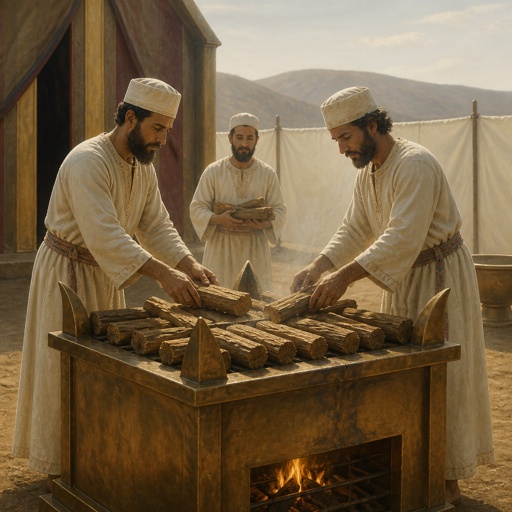
"And the sons of Aaron the priest shall put fire upon the altar, and lay the wood in order upon the fire:" - Leviticus 1:7

Leviticus 7:17 - "But the remainder of the flesh of the sacrifice on the third day shall be burnt with fire."

Leviticus 24:17 - "¶ And he that killeth any man shall surely be put to death."

Leviticus 15:17 - "And every garment, and every skin, whereon is the seed of copulation, shall be washed with water, and be unclean until the even."

Leviticus 17:3 - "What man soever there be of the house of Israel, that killeth an ox, or lamb, or goat, in the camp, or that killeth it out of the camp,"

Leviticus 27:17 - "If he sanctify his field from the year of jubile, according to thy estimation it shall stand."

Leviticus 17:16 - "But if he wash them not, nor bathe his flesh; then he shall bear his iniquity."

"¶ And the LORD spake unto Moses, saying," - Leviticus 22:17

"And the little owl, and the cormorant, and the great owl," - Leviticus 11:17

Leviticus 9:17 - "And he brought the meat offering, and took an handful thereof, and burnt it upon the altar, beside the burnt sacrifice of the morning."

Leviticus 8:17 - "But the bullock, and his hide, his flesh, and his dung, he burnt with fire without the camp; as the LORD commanded Moses."

Leviticus 4:17 - "And the priest shall dip his finger in some of the blood, and sprinkle it seven times before the LORD, even before the vail."

Leviticus 3:17 - "It shall be a perpetual statute for your generations throughout all your dwellings, that ye eat neither fat nor blood."

Leviticus 17:9 - "And bringeth it not unto the door of the tabernacle of the congregation, to offer it unto the LORD; even that man shall be cut off from among his people."

Leviticus 25:17 - "Ye shall not therefore oppress one another; but thou shalt fear thy God: for I am the LORD your God."

Leviticus 17:6 - "And the priest shall sprinkle the blood upon the altar of the LORD at the door of the tabernacle of the congregation, and burn the fat for a sweet savour unto the LORD."

Leviticus 17:8 - "¶ And thou shalt say unto them, Whatsoever man there be of the house of Israel, or of the strangers which sojourn among you, that offereth a burnt offering or sacrifice,"

Leviticus 19:17 - "¶ Thou shalt not hate thy brother in thine heart: thou shalt in any wise rebuke thy neighbour, and not suffer sin upon him."

Leviticus 17:7 - "And they shall no more offer their sacrifices unto devils, after whom they have gone a whoring. This shall be a statute for ever unto them throughout their generations."

Leviticus 13:17 - "And the priest shall see him: and, behold, if the plague be turned into white; then the priest shall pronounce him clean that hath the plague: he is clean."